Tell us about the job
Takes about a minute. No obligation.
A furnace repair in Lexington County starts with what the burner and ignition system have been through. Homes in Lexington County, SC run heat about five months a year, from November through March. The heat exchanger cracks from thermal cycling, not from age alone, and the igniter wears down call by call across those months. When a contractor opens a furnace here, the combustion side tells the story. A system that ran cleanly all season can still present a cracked cell or a failing flame sensor by spring, and neither shows up until the furnace is running under load.
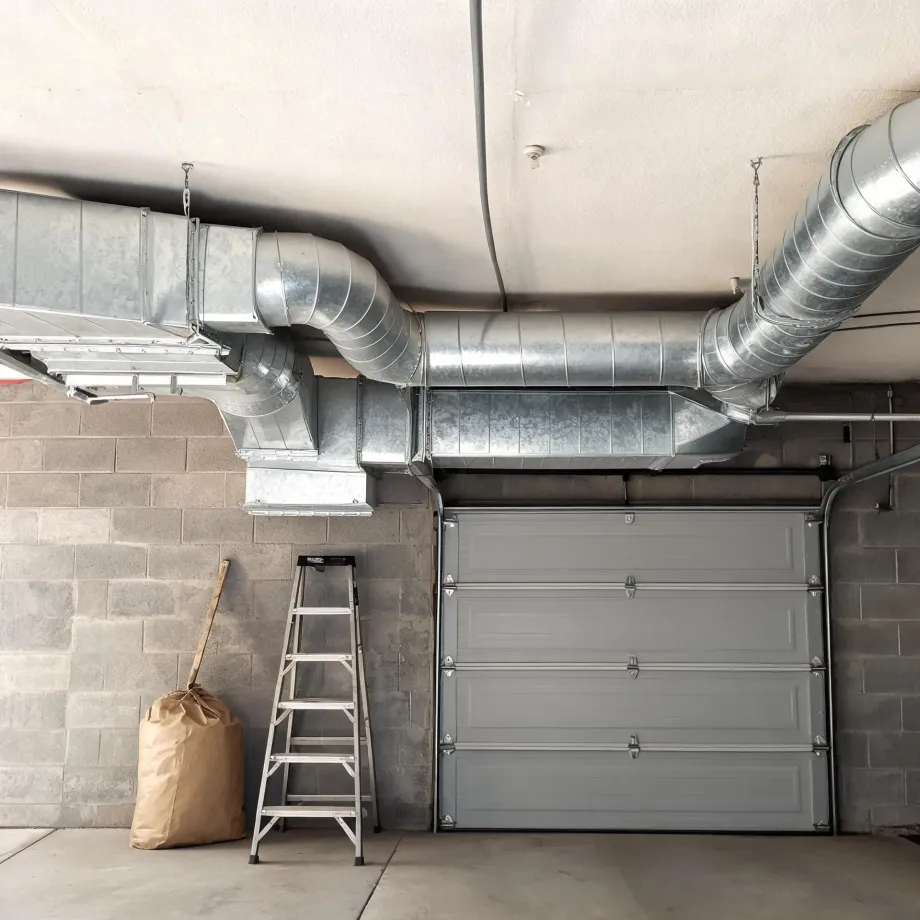
Older ductwork and field-patched furnace systems accumulate a history that shows up the moment a contractor pulls a panel. Half the homes in Lexington County, South Carolina were built in 1993 or earlier (2020-2024 ACS 5-year). A furnace running in a house that age has likely been serviced by several different hands, and what the opened unit contains reflects those layers: non-original parts, workarounds, and wear patterns specific to how that particular system has been run. Whether a cracked heat exchanger or a failing inducer motor is the source of the problem, the answer comes from what is physically inside, not from what the original installation looked like.
The Parts of a Furnace a Contractor Checks First
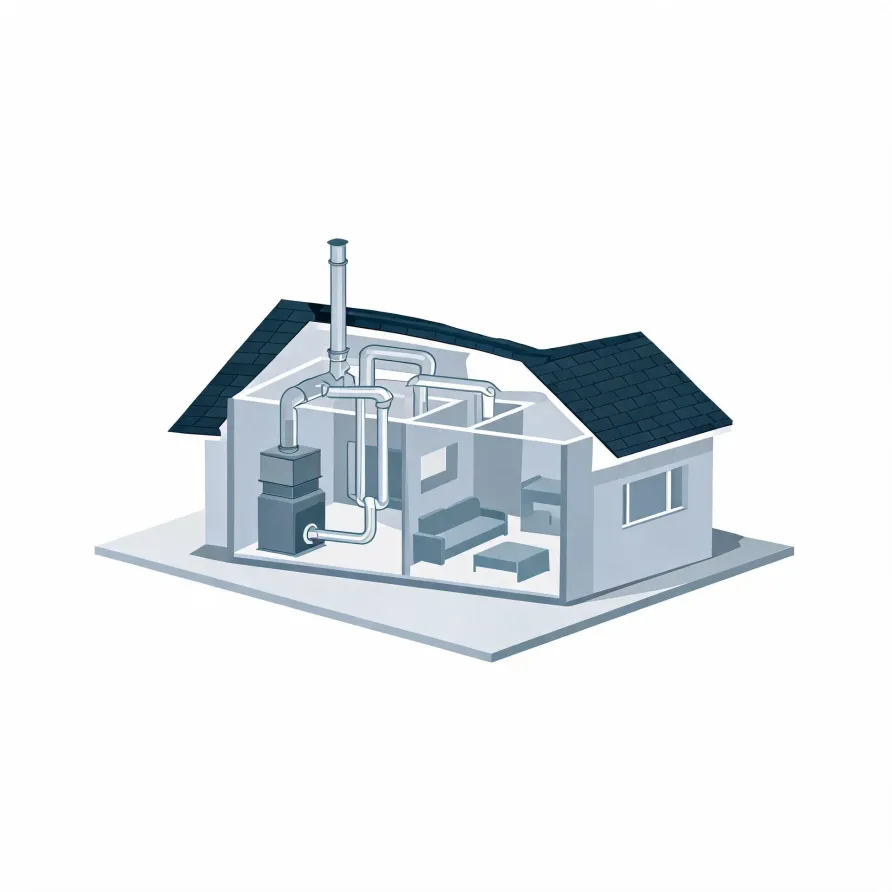
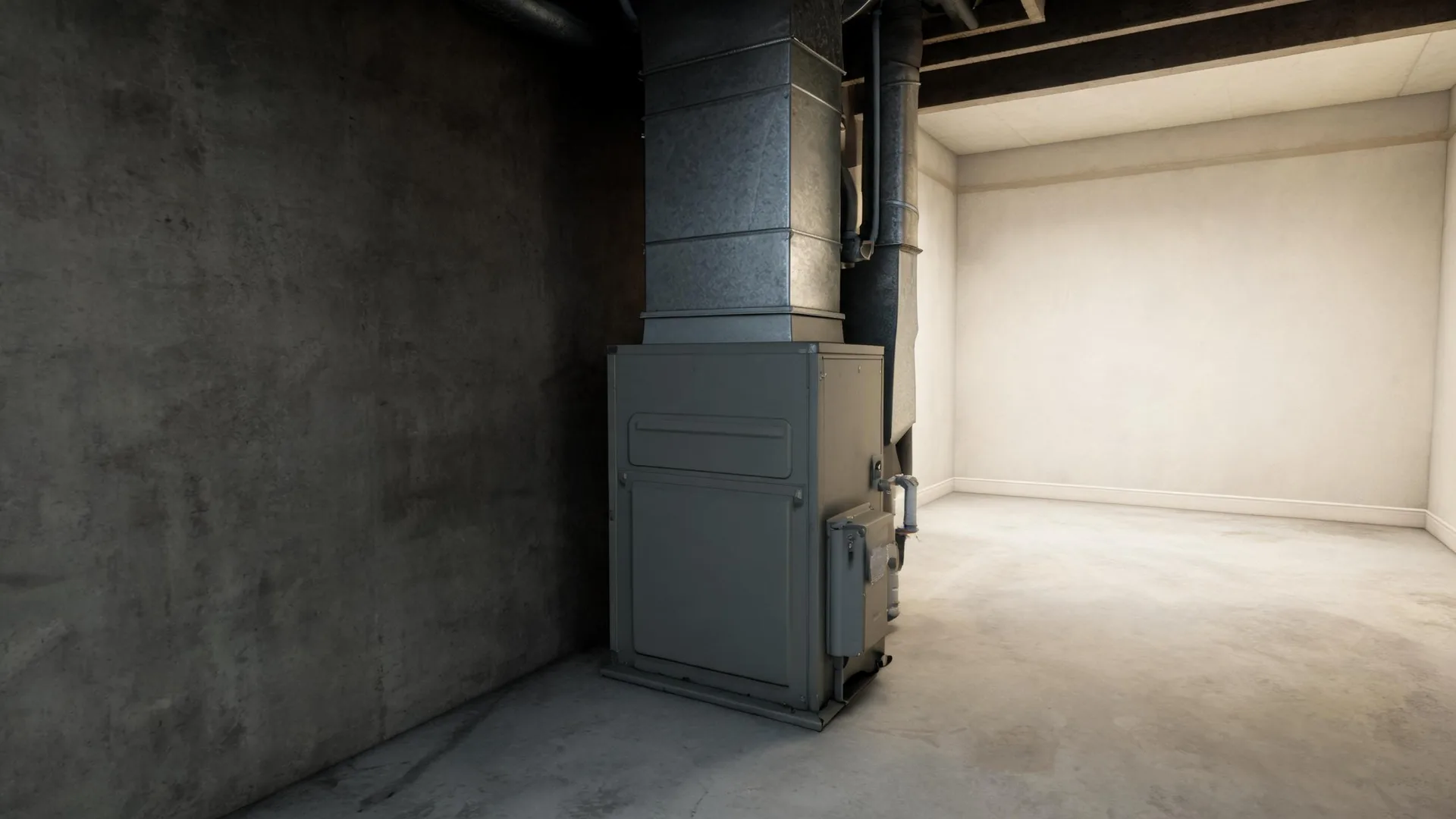
The furnace itself sits in a utility space, basement, or closet and is the piece a contractor goes to first. Inside it, the heat exchanger does the actual work of warming air, and a cracked or corroded exchanger is a common reason a furnace stops performing. The burners, which fire inside that exchanger, and the ignitor, which lights them, are early suspects when a furnace won't start.
The blower motor and its fan wheel sit at the base of the furnace cabinet and push conditioned air out into the house. Alongside them, the control board reads signals from the thermostat and tells every other component when to act. A contractor also checks the flue, which exits through the wall or roof, because a blocked or damaged flue affects both safety and how the burners run.
The drawing shows the general layout of a furnace system, and a licensed contractor determines which components and conditions apply to your specific house.
Get matched in Lexington CountyLexington County, by the numbers
434 severe weather events were recorded in Lexington County, South Carolina between 2015 and 2024.
NOAA National Centers for Environmental Information, Storm Events Database, bulk CSV export, events 2015-01-01 through 2024-12-31.Half the homes in Lexington County, South Carolina were built in 1993 or earlier (2020-2024 ACS 5-year).
U.S. Census Bureau, 2020-2024 American Community Survey 5-Year EstimatesLexington County, South Carolina holds 132,916 housing units (2020-2024 ACS 5-year).
U.S. Census Bureau, 2020-2024 American Community Survey 5-Year EstimatesOwners occupy 77.4% of the occupied homes in Lexington County, South Carolina (2020-2024 ACS 5-year).
U.S. Census Bureau, 2020-2024 American Community Survey 5-Year EstimatesRules & Standards Behind Furnace Repair in Lexington County, South Carolina5 sourced rules and standards
What happens once a contractor comes out
Non-weatherized gas furnaces manufactured on or after November 19, 2015 must reach 80.0 percent AFUE.
Non-weatherized oil-fired furnaces manufactured on or after November 19, 2015 must reach 83.0 percent AFUE.
Mobile home gas furnaces manufactured on or after November 19, 2015 must reach 80.0 percent AFUE.
Non-weatherized gas furnaces manufactured on or after December 18, 2028 must reach 95.0 percent AFUE, up from the 80.0 percent minimum that applies to units manufactured before that date.
Licensing and Legal Requirements in Lexington County, South Carolina
South Carolina requires a mechanical contractor license for contracting work whose total cost of construction is greater than ten thousand dollars.
Severe Weather Events in Lexington County
Extreme weather puts real stress on heating equipment, and how often that stress arrives shapes how hard a furnace has to work over its lifetime. Repair needs in Lexington County track with local conditions, which is why the weather record here is part of the picture.
434 severe weather events, 2015–2024. Source: NOAA National Centers for Environmental Information, Storm Events Database.