Tell us about the job
Takes about a minute. No obligation.
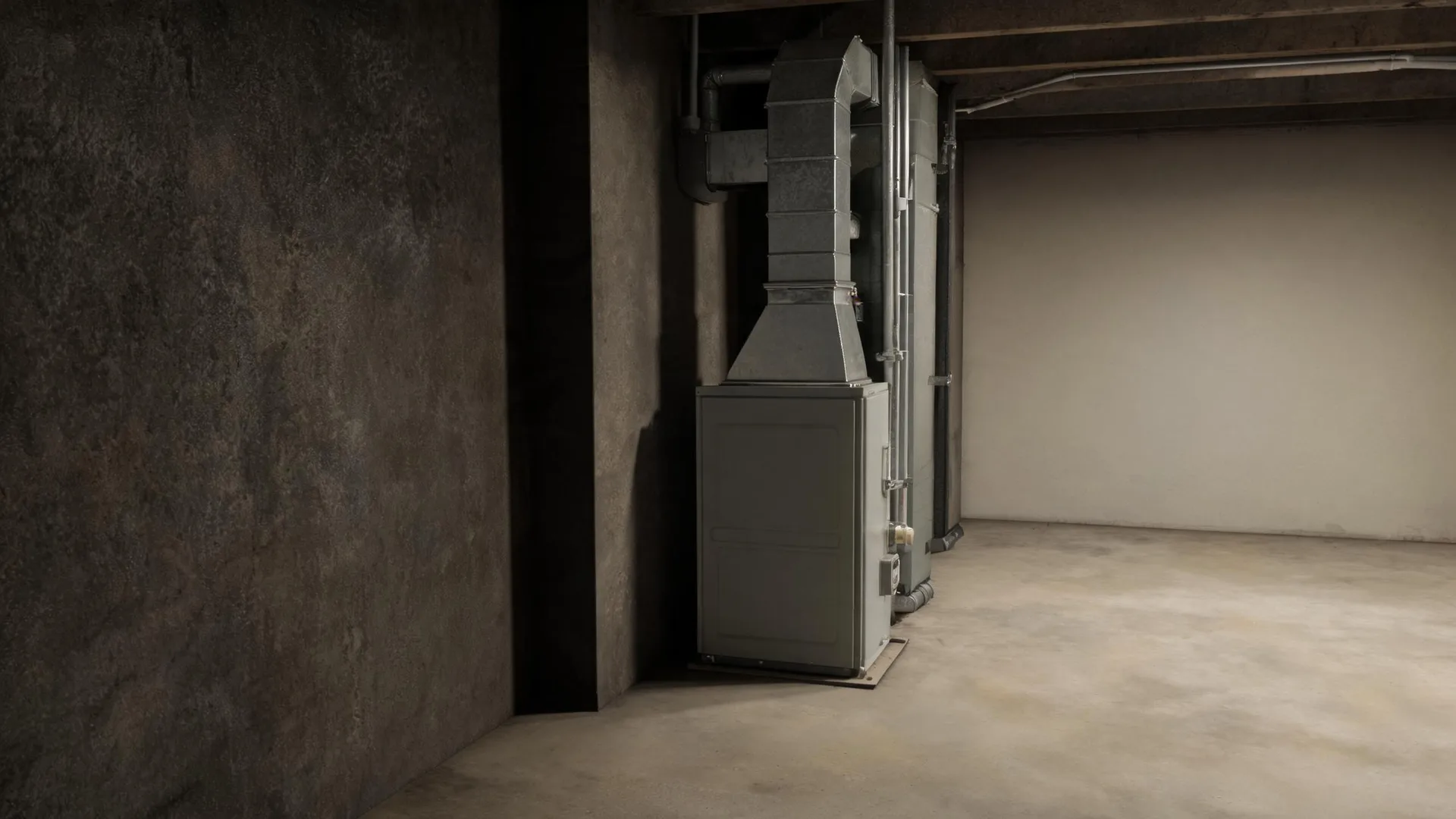
A furnace repair in Richland County starts with what the burner, heat exchanger, and ignition system have already been through. Homes in Richland County, SC run heat about five months a year, from November through March. Each of those months puts the ignition system through repeated start cycles, stresses the heat exchanger through expansion and contraction, and loads the burner in ways that build up over years. The idle stretch from spring through fall is long enough that a developing crack in a heat exchanger or a weakening igniter goes unnoticed until the system fires up again in November. Contractors working a repair here check those components first, because that is where the wear lands.
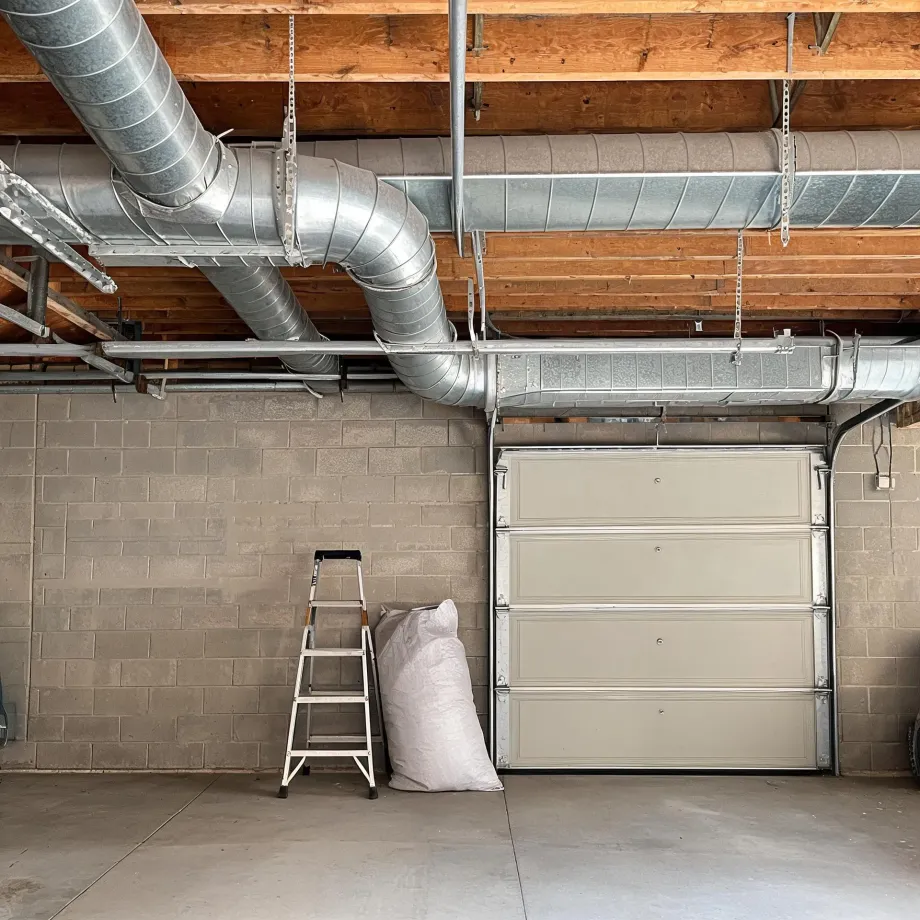
Furnaces in houses this old have usually been replaced at least once, which means the unit a contractor opens may be a different generation than the ductwork around it. Half the homes in Richland County, South Carolina were built in 1989 or earlier (2020-2024 ACS 5-year). A system installed into older ductwork and running on whatever parts a previous owner sourced can turn a routine repair into a search for components that manufacturers stopped making. That parts availability question is what shapes the scope and the price more than anything visible from the outside.
The Parts of a Furnace a Contractor Checks First
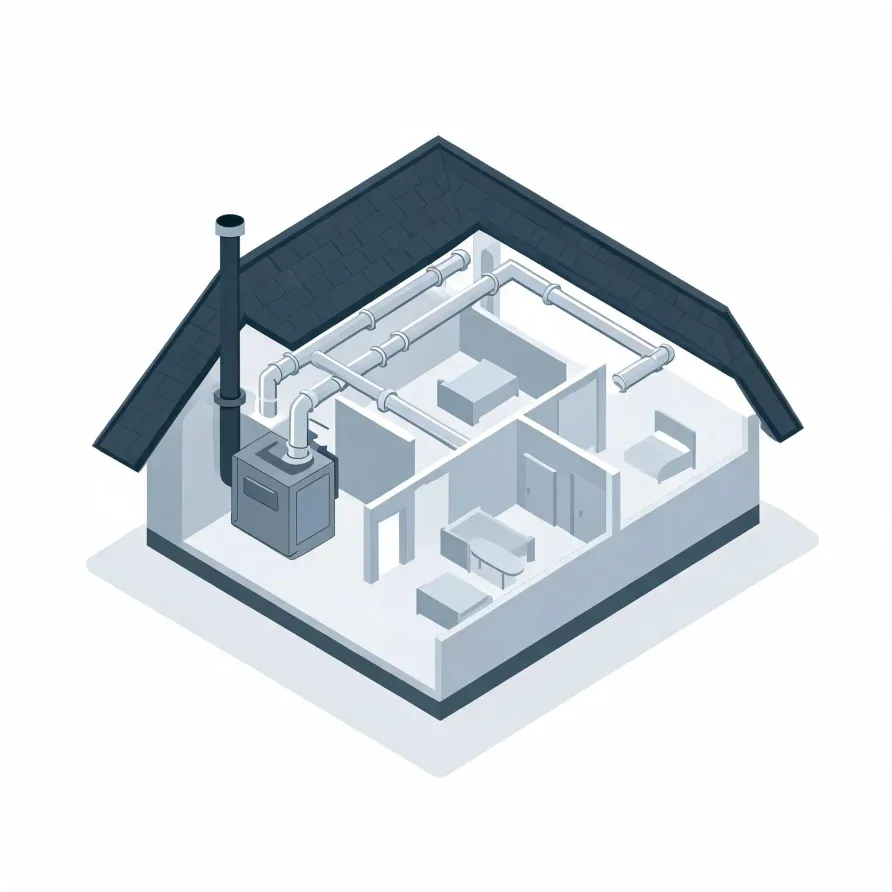
The furnace itself sits in the basement, utility closet, or mechanical room and is the piece that produces heat. Inside it, the heat exchanger is the part a contractor looks at closely when something is wrong. A cracked exchanger, a failed igniter, or a faulty burner assembly each show up differently, and tracing the symptom back to the right component is where the diagnostic work starts.
The blower motor and its fan wheel sit inside the furnace cabinet and push conditioned air out through the supply side of the duct system. The flue pipe runs from the furnace to an exterior vent and carries combustion gases out of the house. The thermostat, mounted on a wall in the living space, is the control point, and wiring or calibration faults there can mimic problems that appear to belong to the furnace itself.
The drawing shows a general layout of how these components relate to one another, and a licensed contractor determines what applies to your specific system and installation.
Get matched in Richland CountyRichland County, by the numbers
440 severe weather events were recorded in Richland County, South Carolina between 2015 and 2024.
NOAA National Centers for Environmental Information, Storm Events Database, bulk CSV export, events 2015-01-01 through 2024-12-31.Half the homes in Richland County, South Carolina were built in 1989 or earlier (2020-2024 ACS 5-year).
U.S. Census Bureau, 2020-2024 American Community Survey 5-Year EstimatesRichland County, South Carolina holds 187,611 housing units (2020-2024 ACS 5-year).
U.S. Census Bureau, 2020-2024 American Community Survey 5-Year EstimatesOwners occupy 60.3% of the occupied homes in Richland County, South Carolina (2020-2024 ACS 5-year).
U.S. Census Bureau, 2020-2024 American Community Survey 5-Year EstimatesCodes & Standards Covering Furnace Repair in Richland County, South Carolina5 sourced rules & standards
What the repair visit looks like
Non-weatherized gas furnaces manufactured on or after November 19, 2015 must reach 80.0 percent AFUE.
Non-weatherized oil-fired furnaces manufactured on or after November 19, 2015 must reach 83.0 percent AFUE.
Mobile home gas furnaces manufactured on or after November 19, 2015 must reach 80.0 percent AFUE.
Non-weatherized gas furnaces manufactured on or after December 18, 2028 must reach 95.0 percent AFUE, up from the 80.0 percent minimum that applies to units manufactured before that date.
Licensing and Legal Requirements in Richland County, South Carolina
South Carolina requires a mechanical contractor license for contracting work whose total cost of construction is greater than ten thousand dollars.
Severe Weather Events in Richland County
Weather puts hours on a furnace fast. Stress from temperature swings, power fluctuations, and extended run times adds up, and in Richland County that cumulative load is what drives repair calls.
440 severe weather events, 2015–2024. Source: NOAA National Centers for Environmental Information, Storm Events Database.