Tell us about the job
Takes about a minute. No obligation.
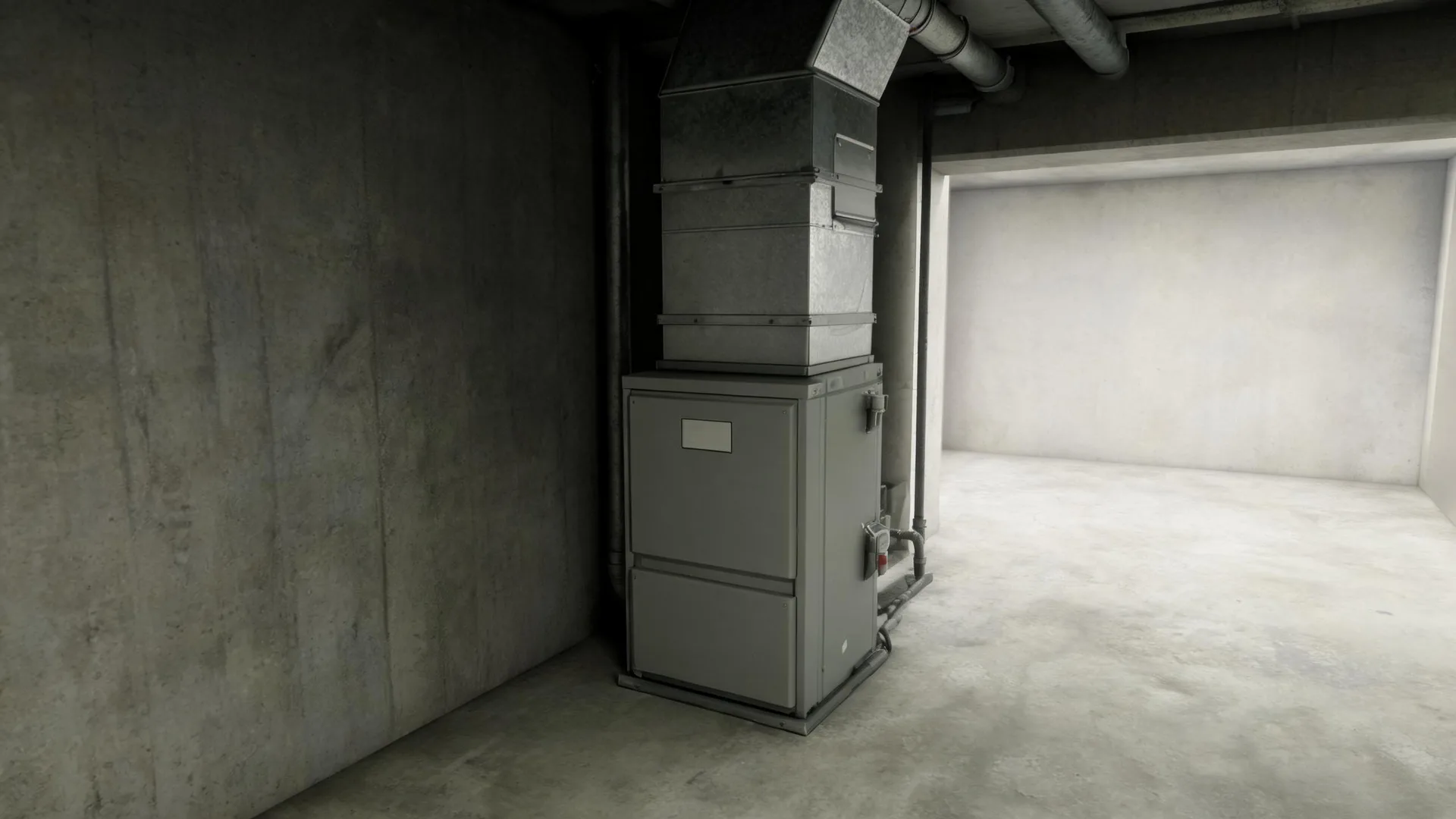
A furnace repair in Kershaw County starts with the parts that actually cycle: the burner, the heat exchanger, and the ignition system. Homes in Kershaw County, SC run heat about five months a year, from November through March. That is enough time on the burner assembly to stress the igniter and flame sensor past the point where they recover on their own. A contractor checking a no-heat call will test the ignition sequence first, then pull the heat exchanger for cracks, because those are the components that absorbed the season's work. The blower and controls matter, but the combustion side is where the hours land.
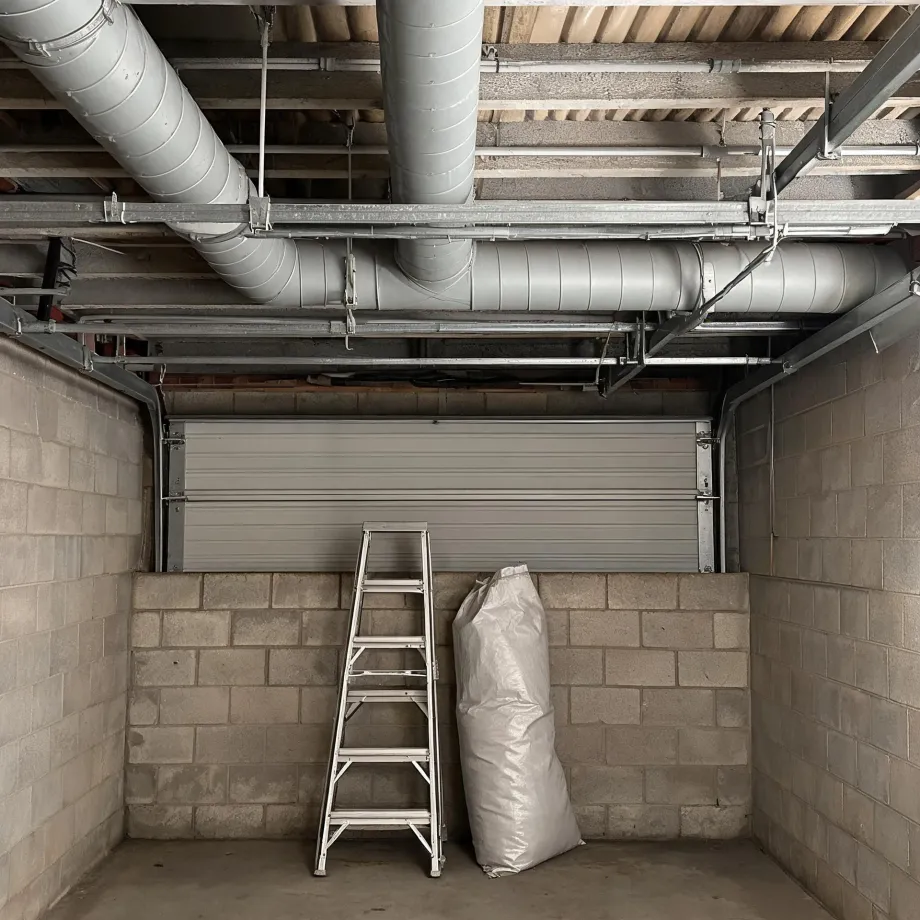
Furnace repairs here run into a specific problem once the unit is open: the components inside aging systems in this county are sometimes from product lines that manufacturers have discontinued, and what a contractor finds determines whether the job is a swap or a search. Half the homes in Kershaw County, South Carolina were built in 1993 or earlier (2020-2024 ACS 5-year). That spread of housing age means contractors working in this county regularly open furnaces whose internal configurations send them to specialty suppliers rather than a standard parts order, and a quote given before the cabinet is open is a quote that may change.
The Parts of a Furnace a Contractor Checks First
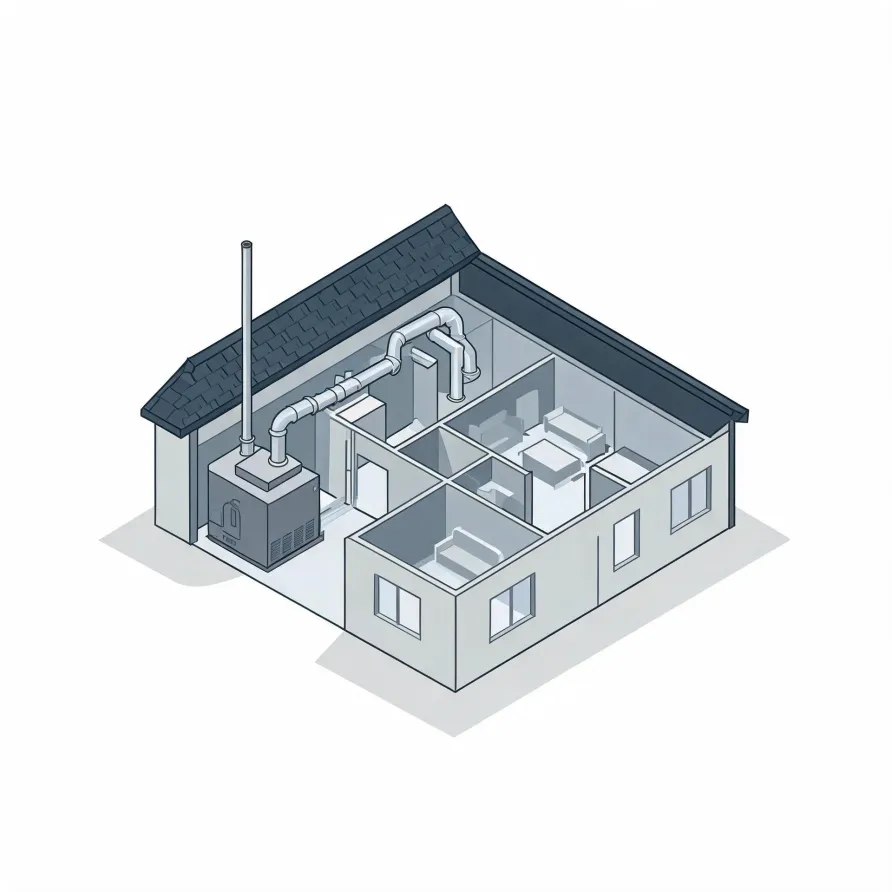
The furnace itself sits in a basement, utility room, or closet and is the heart of the repair call. Inside it, the heat exchanger, burners, and blower motor each carry a distinct job. When the system stops heating or runs strangely, those three components are where a contractor looks first.
The flue or exhaust vent runs from the furnace to the outside of the house and handles combustion gases. The thermostat, mounted on a wall in the living space, sends the signal that starts and stops the whole cycle. A fault in either one can shut the system down just as surely as a failed internal part.
The drawing shows a general layout of a furnace system, and a licensed contractor determines what applies to your specific house and equipment.
Get matched in Kershaw CountyKershaw County, by the numbers
150 severe weather events were recorded in Kershaw County, South Carolina between 2015 and 2024.
NOAA National Centers for Environmental Information, Storm Events Database, bulk CSV export, events 2015-01-01 through 2024-12-31.Half the homes in Kershaw County, South Carolina were built in 1993 or earlier (2020-2024 ACS 5-year).
U.S. Census Bureau, 2020-2024 American Community Survey 5-Year EstimatesKershaw County, South Carolina holds 30,134 housing units (2020-2024 ACS 5-year).
U.S. Census Bureau, 2020-2024 American Community Survey 5-Year EstimatesOwners occupy 82.0% of the occupied homes in Kershaw County, South Carolina (2020-2024 ACS 5-year).
U.S. Census Bureau, 2020-2024 American Community Survey 5-Year EstimatesFurnace Repair Rules & Standards for Kershaw County, South Carolina5 codes, licenses, and standards
What the repair visit looks like
Non-weatherized gas furnaces manufactured on or after November 19, 2015 must reach 80.0 percent AFUE.
Non-weatherized oil-fired furnaces manufactured on or after November 19, 2015 must reach 83.0 percent AFUE.
Mobile home gas furnaces manufactured on or after November 19, 2015 must reach 80.0 percent AFUE.
Non-weatherized gas furnaces manufactured on or after December 18, 2028 must reach 95.0 percent AFUE, up from the 80.0 percent minimum that applies to units manufactured before that date.
Licensing Rules for HVAC Repair in Kershaw County, South Carolina
South Carolina requires a mechanical contractor license for contracting work whose total cost of construction is greater than ten thousand dollars.
Severe Weather Events in Kershaw County
Kershaw County weather puts real stress on heating equipment, cycling it hard through whatever each year brings. A furnace that carries that load year after year is one that needs attention, and the repair picture here is shaped by local conditions.
150 severe weather events, 2015–2024. Source: NOAA National Centers for Environmental Information, Storm Events Database.