Tell us about the job
Takes about a minute. No obligation.
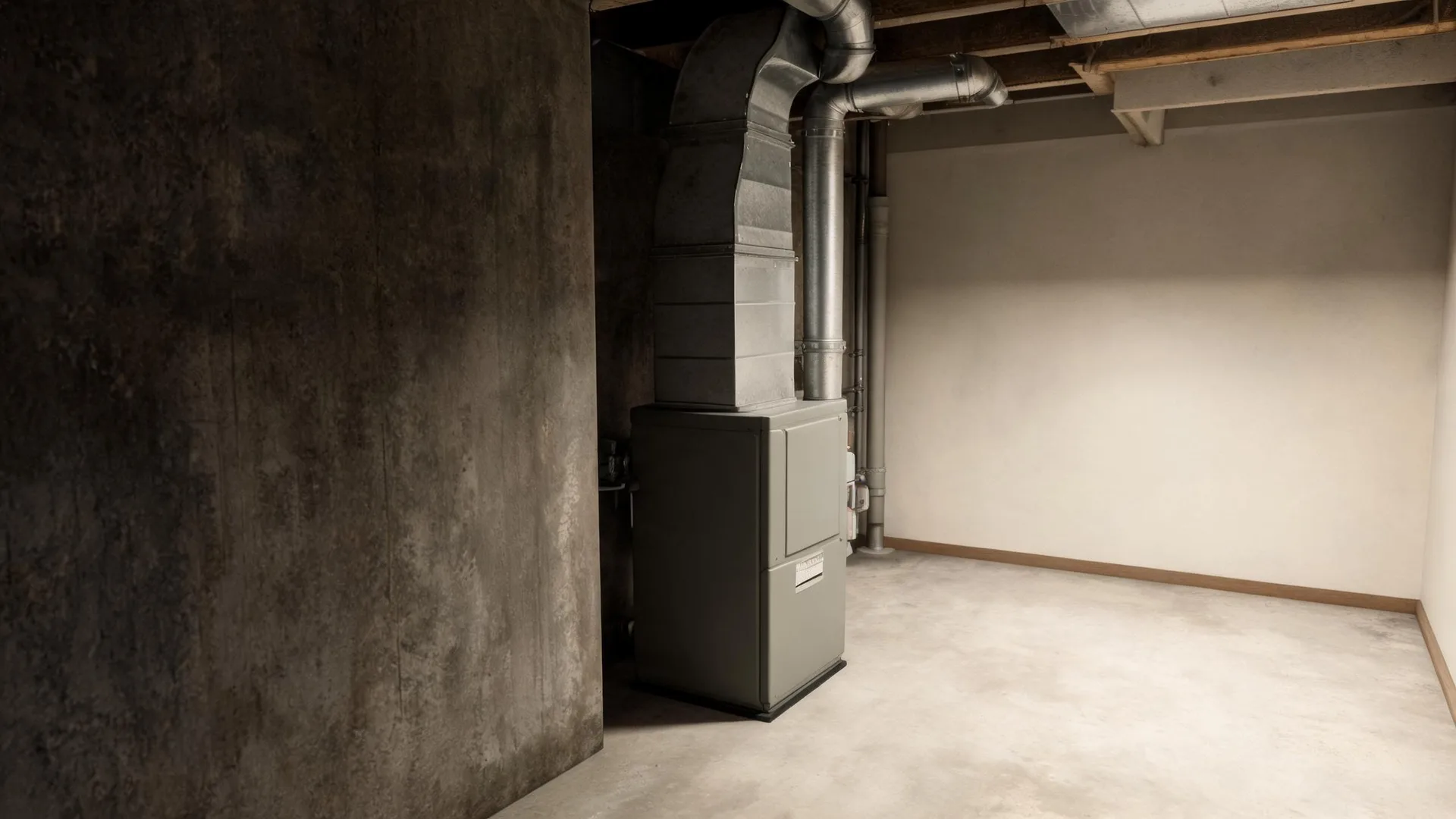
The burner and ignition system on a Lee County furnace put in steady work every heating season. Homes in Lee County, SC run heat about five months a year, from November through March. A contractor pricing a repair here checks those components first, because repeated cycling through cold months stresses the igniter, the heat exchanger, and the flame sensor in ways that show up long before a furnace quits outright. Idle months let small faults sit undetected, so the first cold call of November often turns up a problem that started the previous spring.
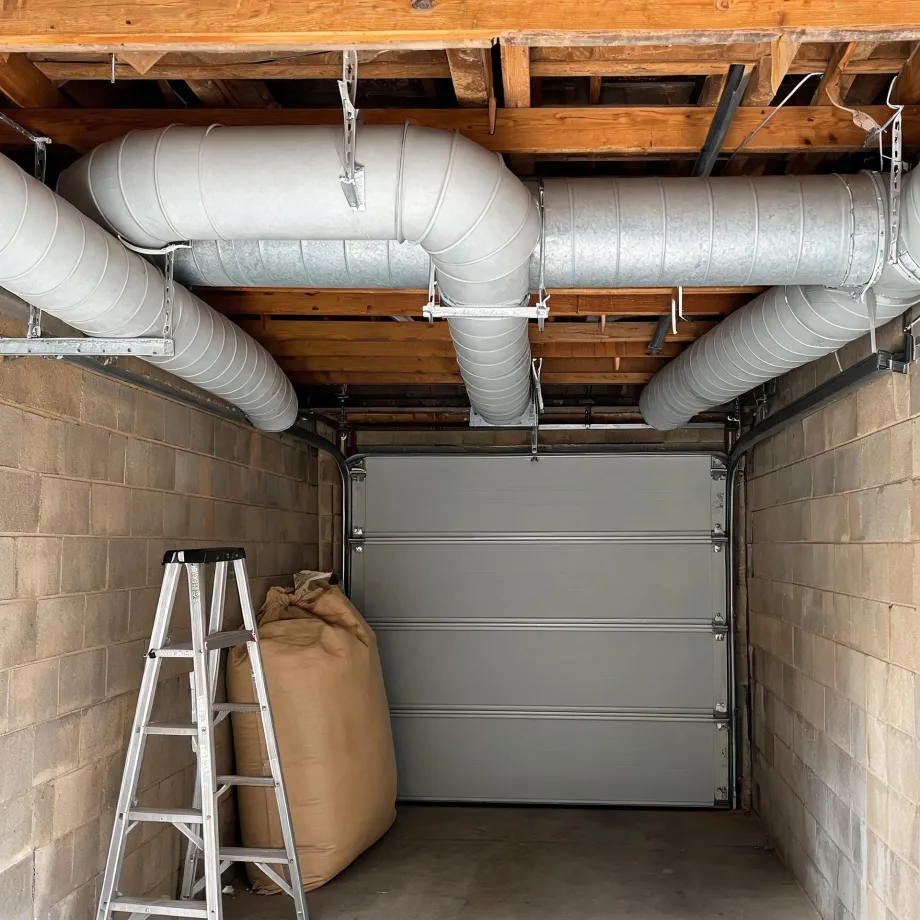
Ductwork in a house of this age carries the record of every system that ran through it, and what a contractor finds when they pull a furnace apart often points straight back to the ducts. Cracked heat exchangers and failing limit switches get replaced, but the supply and return runs they pushed air through rarely do. Half the homes in Lee County, South Carolina were built in 1983 or earlier (2020-2024 ACS 5-year). When a furnace in stock like this needs repair, the opened unit is only part of the picture. Airflow restriction, accumulated debris in the duct runs, and joints sealed with materials that have long since failed all change what the repair actually costs.
The Parts of a Furnace a Contractor Checks First
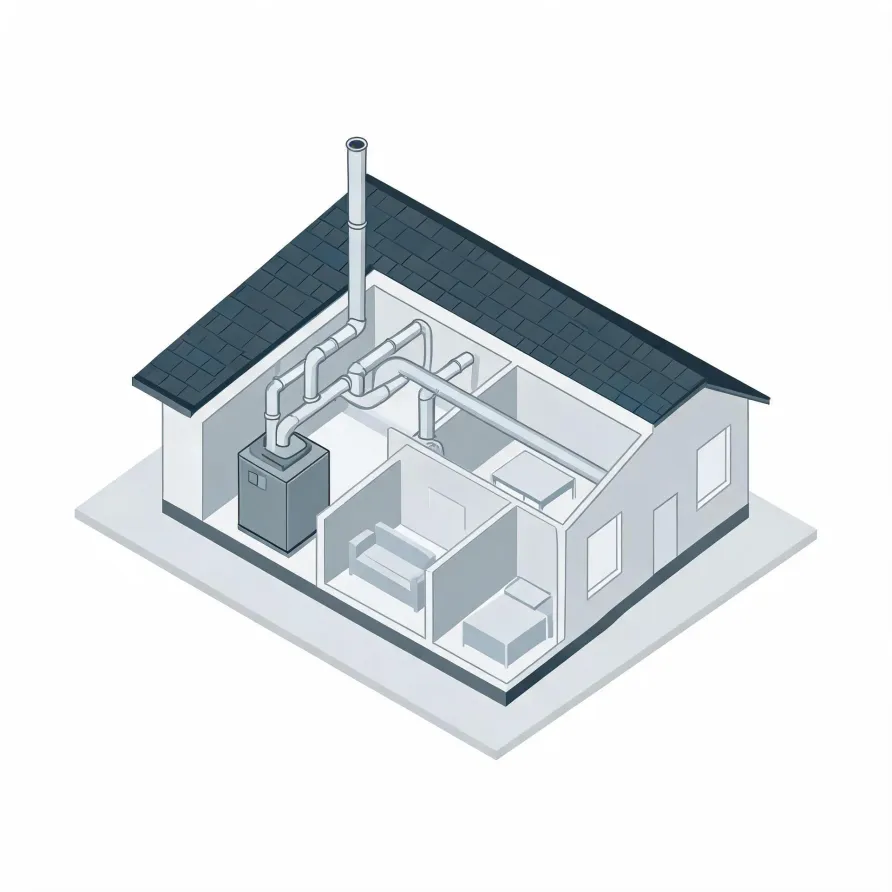
The furnace itself sits in the basement, utility room, or closet and is where heat is produced. Inside it, the heat exchanger is the piece a contractor looks at closely: cracks or stress fractures there are a common source of both heating failure and carbon monoxide risk. The burners, which fire inside that exchanger, are checked for ignition problems and uneven flame.
The blower motor sits at the base of the furnace cabinet and pushes conditioned air out into the duct system. Alongside it, the control board and the flame sensor are small components that fail quietly and often get misread as larger problems. The flue pipe runs from the furnace cabinet up and out of the house, and a blockage or breach there affects both performance and safety.
The drawing shows a typical furnace layout, and a licensed contractor determines which components apply to the specific system and setup in your home.
Get matched in Lee CountyLee County by the Numbers
66 severe weather events were recorded in Lee County, South Carolina between 2015 and 2024.
NOAA National Centers for Environmental Information, Storm Events Database, bulk CSV export, events 2015-01-01 through 2024-12-31.Half the homes in Lee County, South Carolina were built in 1983 or earlier (2020-2024 ACS 5-year).
U.S. Census Bureau, 2020-2024 American Community Survey 5-Year EstimatesLee County, South Carolina holds 7,602 housing units (2020-2024 ACS 5-year).
U.S. Census Bureau, 2020-2024 American Community Survey 5-Year EstimatesOwners occupy 70.5% of the occupied homes in Lee County, South Carolina (2020-2024 ACS 5-year).
U.S. Census Bureau, 2020-2024 American Community Survey 5-Year EstimatesCodes & Standards Governing Furnace Repair in Lee County, South Carolina5 sourced rules & standards
What HVAC Repair Looks Like in Lee County
Non-weatherized gas furnaces manufactured on or after November 19, 2015 must reach 80.0 percent AFUE.
Non-weatherized oil-fired furnaces manufactured on or after November 19, 2015 must reach 83.0 percent AFUE.
Mobile home gas furnaces manufactured on or after November 19, 2015 must reach 80.0 percent AFUE.
Non-weatherized gas furnaces manufactured on or after December 18, 2028 must reach 95.0 percent AFUE, up from the 80.0 percent minimum that applies to units manufactured before that date.
What Lee County, South Carolina Requires for HVAC Repair Work
South Carolina requires a mechanical contractor license for contracting work whose total cost of construction is greater than ten thousand dollars.
Weather Stress on HVAC Equipment in Lee County
Heating equipment works harder when the weather turns, and repeated stress from storms accelerates wear on components that otherwise last for years. Repair demand in Lee County follows local conditions, so the weather record here is a direct part of understanding what furnaces in this area face.
66 severe weather events, 2015–2024. Source: NOAA National Centers for Environmental Information, Storm Events Database.