Tell us about the job
Takes about a minute. No obligation.
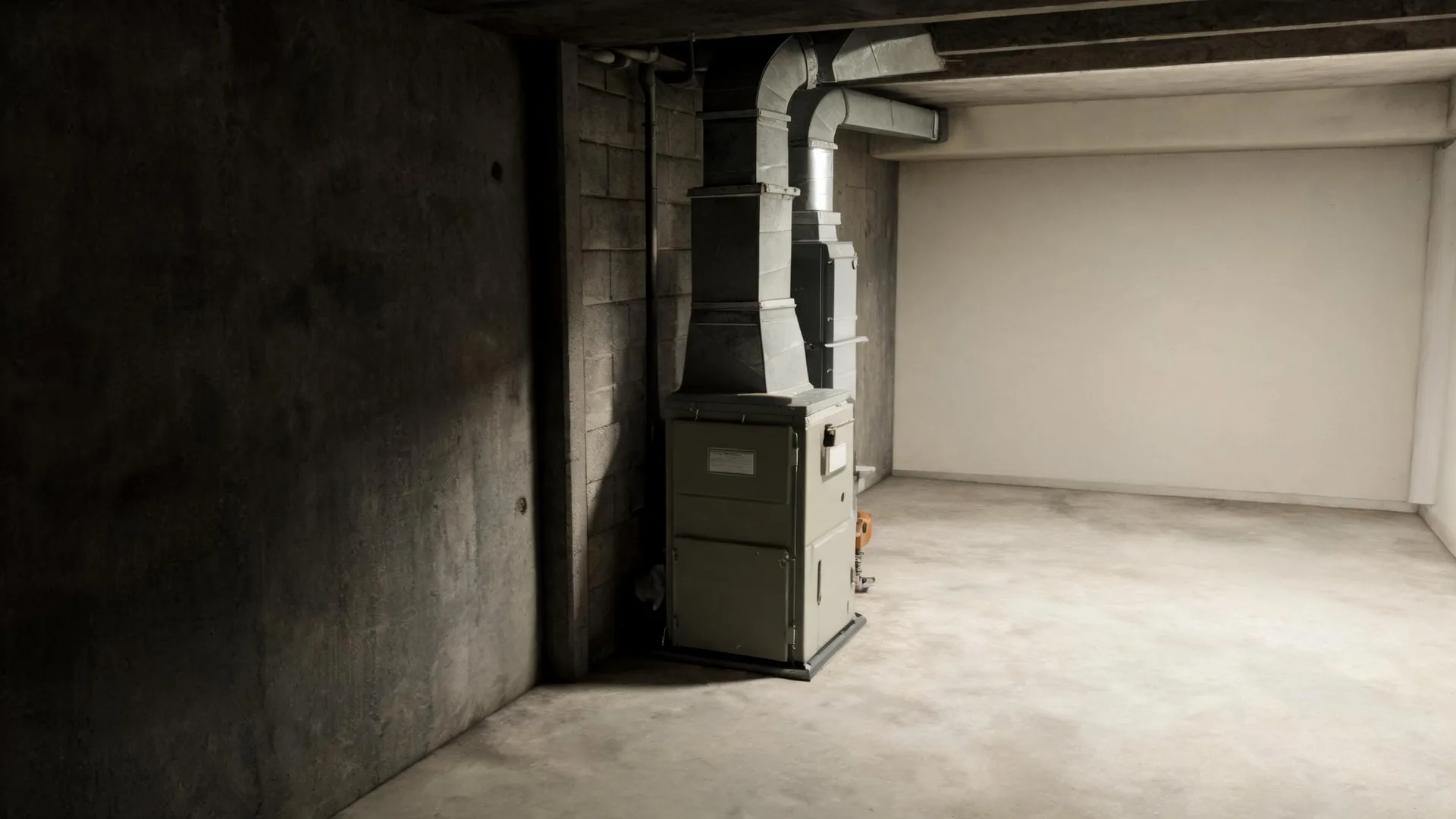
Sizing a furnace for this county starts with what the burner and heat exchanger are actually being asked to carry each year. Homes in Lexington County, SC run heat about five months a year, from November through March. A system that leaves either component working harder than it should has nowhere to hide that strain, because the heating season fills enough of the calendar that cumulative wear on the ignition system and heat exchanger builds steadily. A contractor quoting a new furnace here calculates that load before recommending equipment, because an undersized unit cycles harder and the difference shows up in the heat exchanger first.
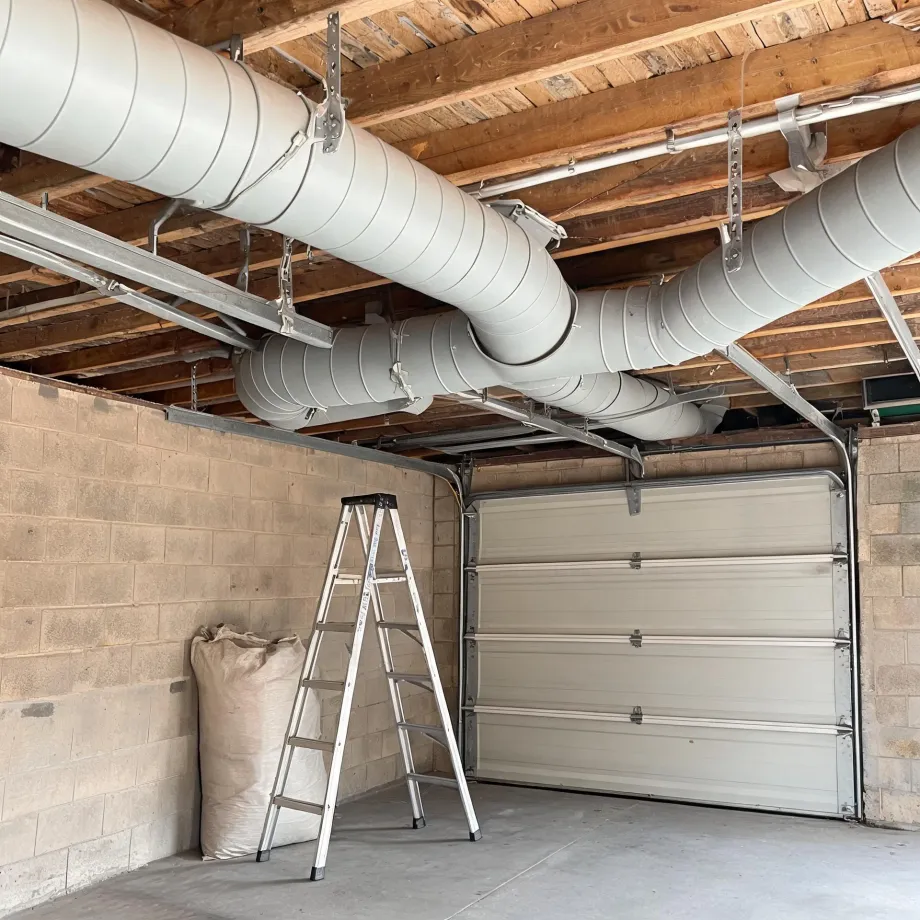
Ductwork sized and routed for an older system does not always carry a new furnace without modification, and what a contractor finds when they trace it determines whether the install is straightforward or not. Half the homes in Lexington County, South Carolina were built in 1993 or earlier (2020-2024 ACS 5-year). That spread means a significant portion of local houses have duct layouts and electrical service that predate what a new furnace requires. A contractor will open the system, measure the runs, and check what the existing wiring will support before anything gets quoted.
What Gets Installed With a New Furnace
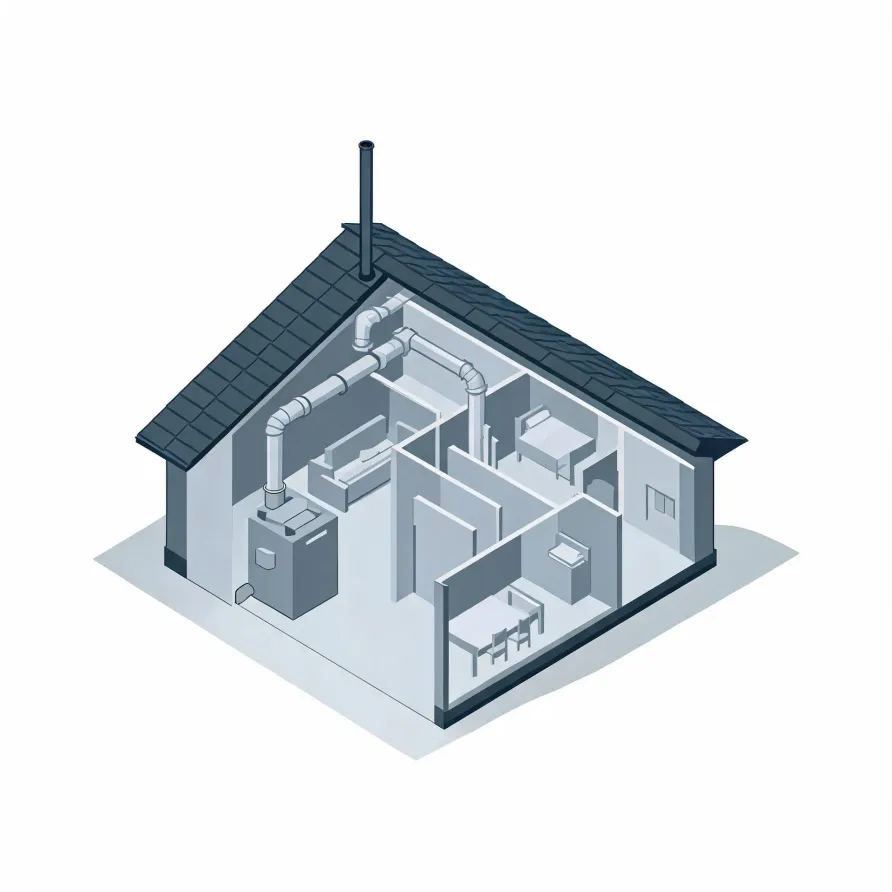
The furnace itself sits in a utility space, a basement, a closet, or a crawlspace, and it is the unit that generates heat by burning fuel or running electric resistance elements. Attached to it is the air handler, which holds the blower that pushes conditioned air into the home's supply side.
The flue pipe runs from the furnace to an exterior wall or roofline, carrying combustion gases out of the house. The thermostat mounts on an interior wall and serves as the control point, while the filter housing sits at the return-air entry to the furnace cabinet and holds the filter that protects the blower and heat exchanger.
The drawing shows a typical layout, and a licensed contractor determines exactly what applies to your house.
Get matched in Lexington CountyLexington County, by the numbers
434 severe weather events were recorded in Lexington County, South Carolina between 2015 and 2024.
NOAA National Centers for Environmental Information, Storm Events Database, bulk CSV export, events 2015-01-01 through 2024-12-31.Half the homes in Lexington County, South Carolina were built in 1993 or earlier (2020-2024 ACS 5-year).
U.S. Census Bureau, 2020-2024 American Community Survey 5-Year EstimatesLexington County, South Carolina holds 132,916 housing units (2020-2024 ACS 5-year).
U.S. Census Bureau, 2020-2024 American Community Survey 5-Year EstimatesOwners occupy 77.4% of the occupied homes in Lexington County, South Carolina (2020-2024 ACS 5-year).
U.S. Census Bureau, 2020-2024 American Community Survey 5-Year EstimatesFurnace Installation Rules for Lexington County, South Carolina5 codes, standards, and licensing rules
What the Installation Actually Looks Like
Non-weatherized gas furnaces manufactured on or after November 19, 2015 must reach 80.0 percent AFUE.
Non-weatherized oil-fired furnaces manufactured on or after November 19, 2015 must reach 83.0 percent AFUE.
Mobile home gas furnaces manufactured on or after November 19, 2015 must reach 80.0 percent AFUE.
Non-weatherized gas furnaces manufactured on or after December 18, 2028 must reach 95.0 percent AFUE, up from the 80.0 percent minimum that applies to units manufactured before that date.
Licensing Rules for Lexington County, South Carolina
South Carolina requires a mechanical contractor license for contracting work whose total cost of construction is greater than ten thousand dollars.
Severe Weather Events in Lexington County
Weather patterns in Lexington County put real demands on heating equipment, from hard freezes that push furnaces to their limits to heat that runs cooling loads deep into the season. How a furnace is sized and installed here depends on what this specific climate actually does.
434 severe weather events, 2015–2024. Source: NOAA National Centers for Environmental Information, Storm Events Database.