Tell us about the job
Takes about a minute. No obligation.
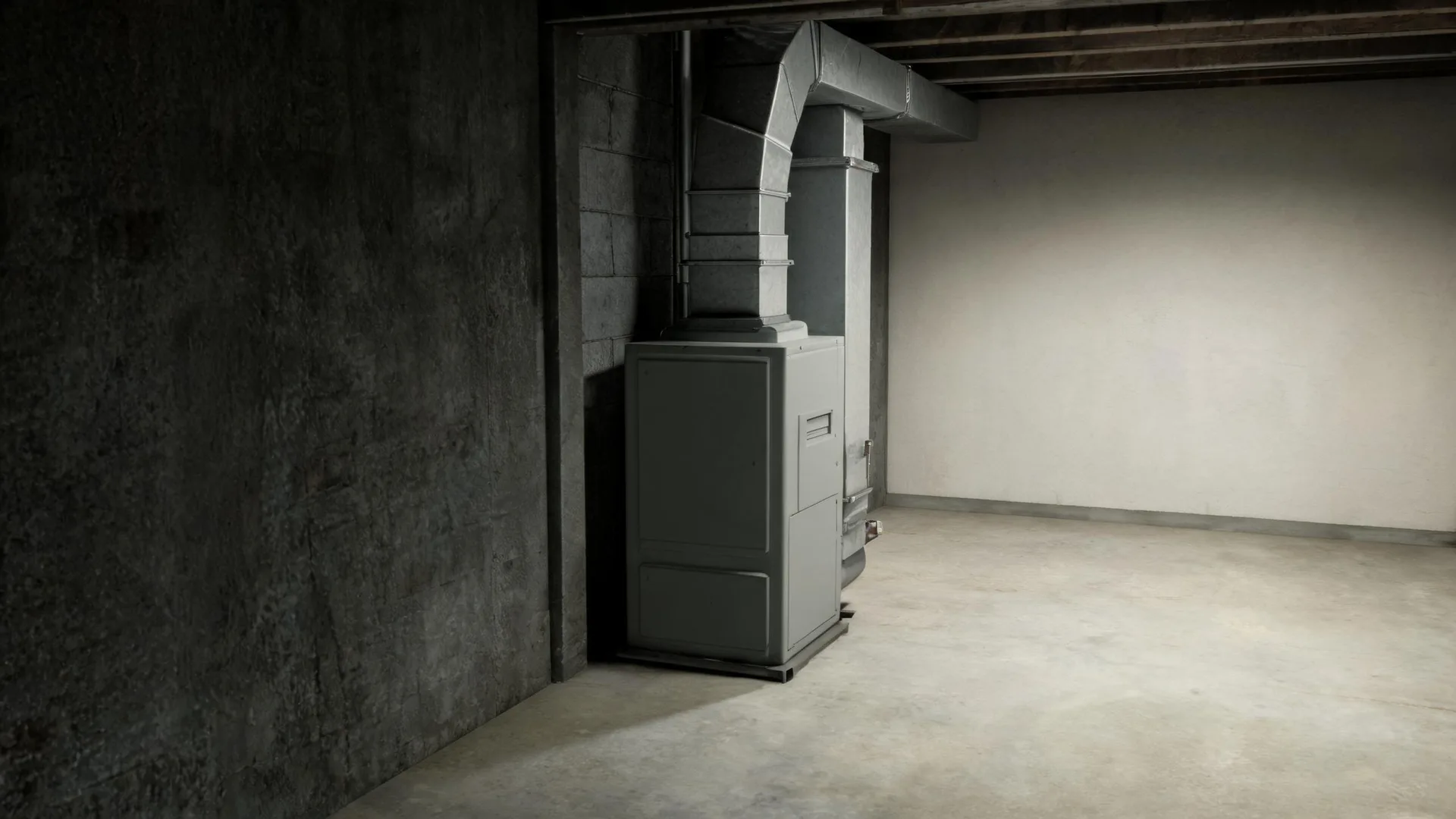
A contractor diagnosing a furnace in Aiken County starts at the burner and the ignition system, because those parts cycle every time the heat comes on and they carry the full load of whatever the season has thrown at the equipment so far. Homes in Aiken County, SC run heat about five months a year, from November through March. That load falls on a short list of components: the heat exchanger, the flame sensor, and the draft inducer take the most wear from repeated firing and shutdown. A cracked heat exchanger or a weak igniter shows up as a cold house on the first hard day of November, not as a gradual decline a homeowner would catch early.
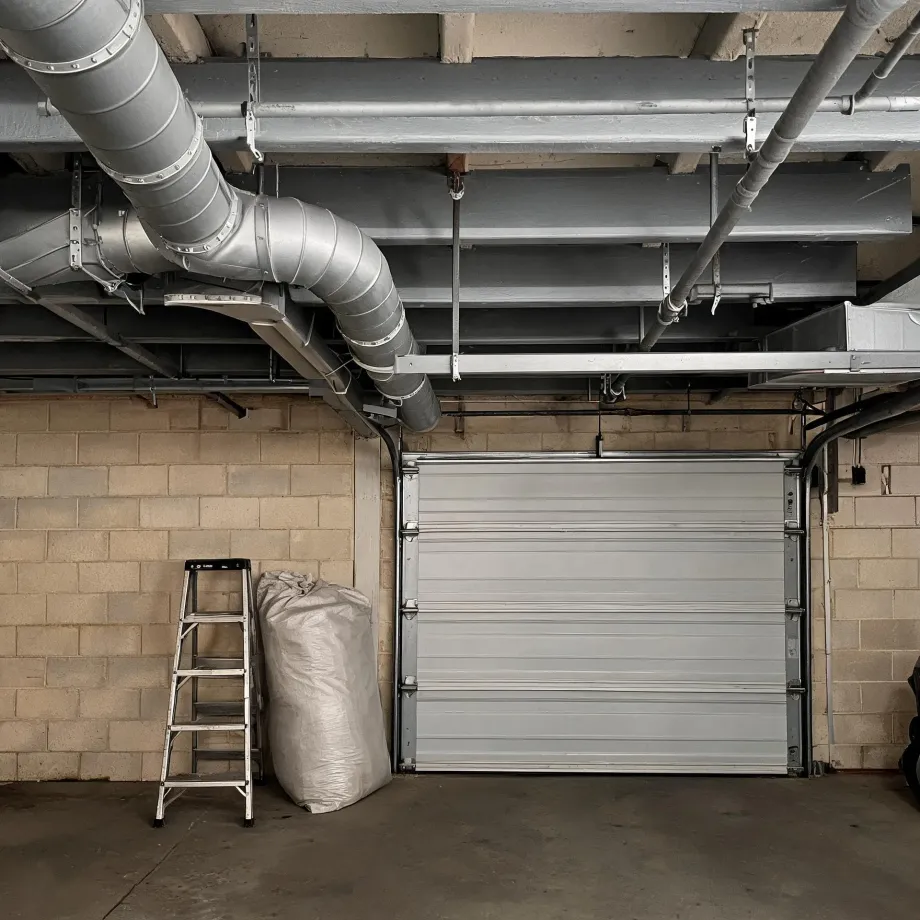
Furnace stock built for an older generation of equipment carries parts that manufacturers have since discontinued or redesigned, and a repair that looks routine from the outside can stall the moment a contractor opens the unit and finds a heat exchanger, limit switch, or inducer assembly that no longer has a direct replacement. Half the homes in Aiken County, South Carolina were built in 1989 or earlier (2020-2024 ACS 5-year). That spread in the housing stock is why a repair quote here stays provisional until the system is open: the parts question is answered by what is physically inside the furnace, and that answer changes what the contractor orders and how long the job runs.
The Parts of a Furnace a Contractor Checks First
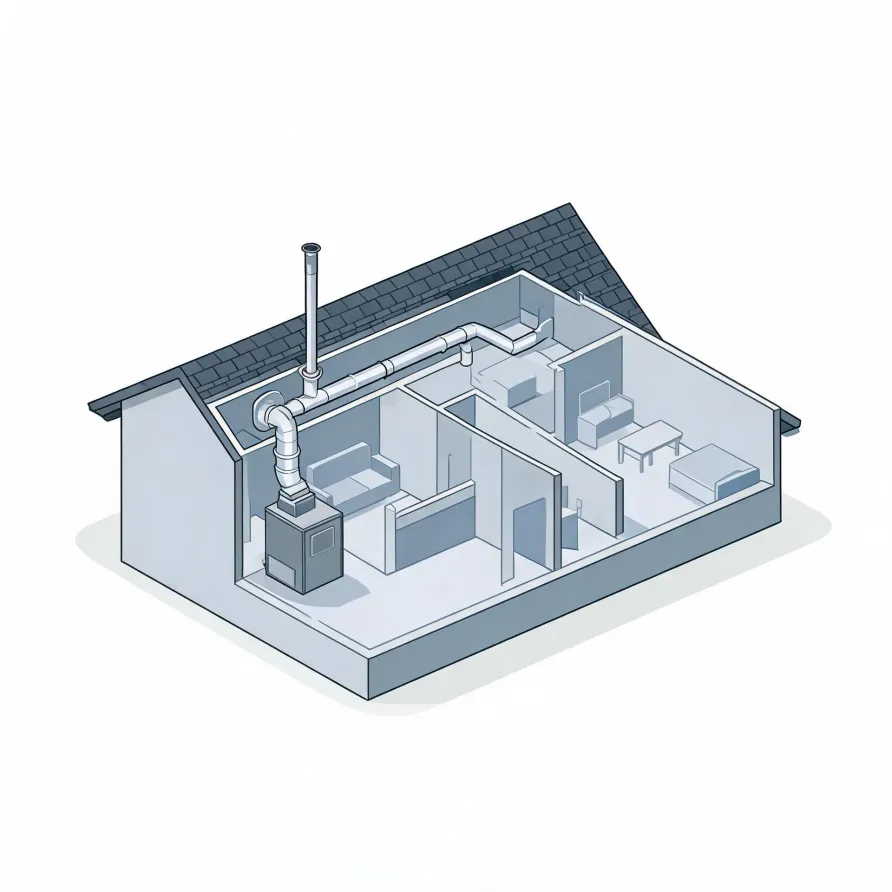
The furnace itself sits in a utility space, basement, or closet and is the piece a contractor goes to first. Inside it, the heat exchanger is the part that fails quietly and matters most. A cracked exchanger, a faulty ignitor, or a bad flame sensor accounts for a large share of no-heat calls.
The blower motor pushes conditioned air into the ducts and pulls return air back through the filter cabinet mounted at the unit. The flue pipe runs from the furnace to an exterior wall or roof and carries combustion gases out. Both get checked when the furnace runs but delivers poor airflow or shuts off on its own.
The drawing shows the general layout of a furnace system, and a licensed contractor determines what applies to your specific house and equipment.
Get matched in Aiken CountyAiken County, by the numbers
254 severe weather events were recorded in Aiken County, South Carolina between 2015 and 2024.
NOAA National Centers for Environmental Information, Storm Events Database, bulk CSV export, events 2015-01-01 through 2024-12-31.Half the homes in Aiken County, South Carolina were built in 1989 or earlier (2020-2024 ACS 5-year).
U.S. Census Bureau, 2020-2024 American Community Survey 5-Year EstimatesAiken County, South Carolina holds 80,008 housing units (2020-2024 ACS 5-year).
U.S. Census Bureau, 2020-2024 American Community Survey 5-Year EstimatesOwners occupy 76.5% of the occupied homes in Aiken County, South Carolina (2020-2024 ACS 5-year).
U.S. Census Bureau, 2020-2024 American Community Survey 5-Year EstimatesCodes & Standards Covering Furnace Repair in Aiken County, South Carolina5 sourced rules and standards
What the repair visit looks like
Non-weatherized gas furnaces manufactured on or after November 19, 2015 must reach 80.0 percent AFUE.
Non-weatherized oil-fired furnaces manufactured on or after November 19, 2015 must reach 83.0 percent AFUE.
Mobile home gas furnaces manufactured on or after November 19, 2015 must reach 80.0 percent AFUE.
Non-weatherized gas furnaces manufactured on or after December 18, 2028 must reach 95.0 percent AFUE, up from the 80.0 percent minimum that applies to units manufactured before that date.
Licensing Rules for HVAC Repair in Aiken County, South Carolina
South Carolina requires a mechanical contractor license for contracting work whose total cost of construction is greater than ten thousand dollars.
Severe Weather Events in Aiken County
Weather puts a measurable load on furnaces, and that load varies by where you live. Repair frequency in Aiken County tracks closely with what the local climate demands from heating equipment year over year.
254 severe weather events, 2015–2024. Source: NOAA National Centers for Environmental Information, Storm Events Database.