Tell us about the job
Takes about a minute. No obligation.
A furnace repair in Spartanburg County starts with the components that cycle the most: the burner, the heat exchanger, and the ignition system. Homes in Spartanburg County, SC run heat about seven months a year, from October through April. Those parts spend the idle months sitting, then return to work in October and run continuously through April. A contractor checking a furnace here expects to find wear concentrated on the ignition assembly and the heat exchanger, because the burner has been lighting and extinguishing on every cold call for months. Ductwork seals and blower bearings follow close behind.
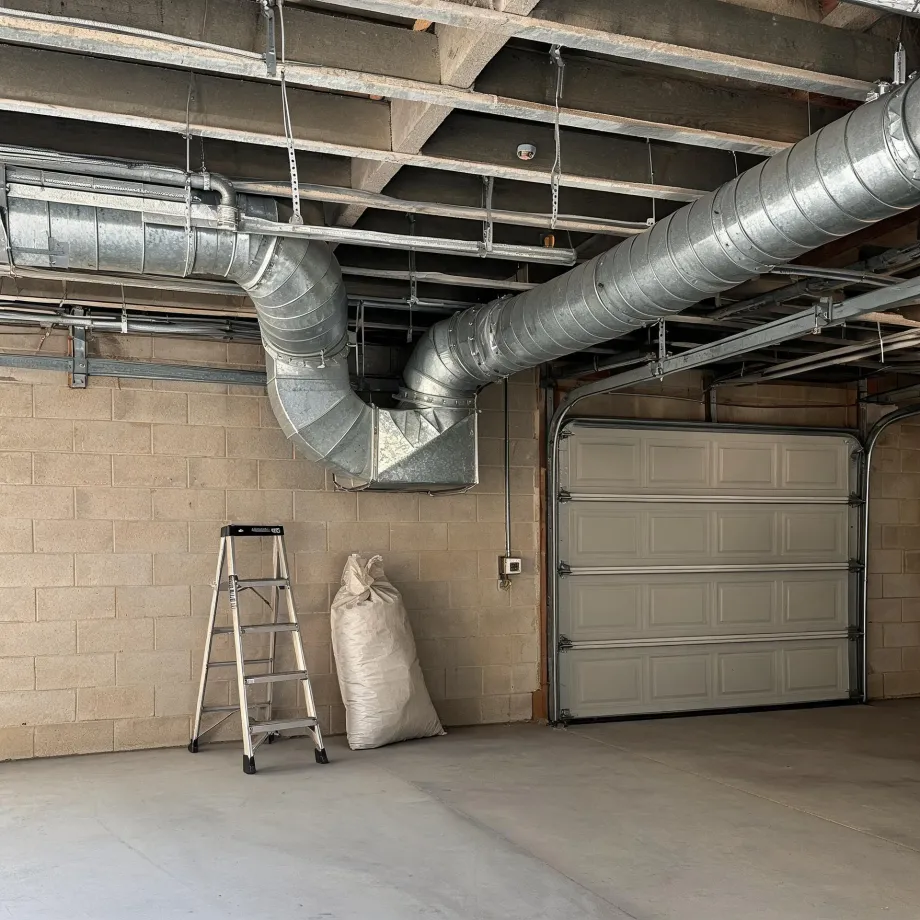
Furnace repair in housing stock this old tends to surface problems that the thermostat reading alone never predicted. Half the homes in Spartanburg County, South Carolina were built in 1990 or earlier (2020-2024 ACS 5-year). A system running in a house with ductwork that was never sized for it works harder than the rated specs assume, and the wear pattern inside the unit reflects that. When a contractor opens the cabinet, what they find in the heat exchanger, the blower wheel, or the burner assembly is shaped by years of that extra load, not by the age on the nameplate. Parts that look fine from the outside show fatigue inside.
The Parts of a Furnace a Contractor Checks First
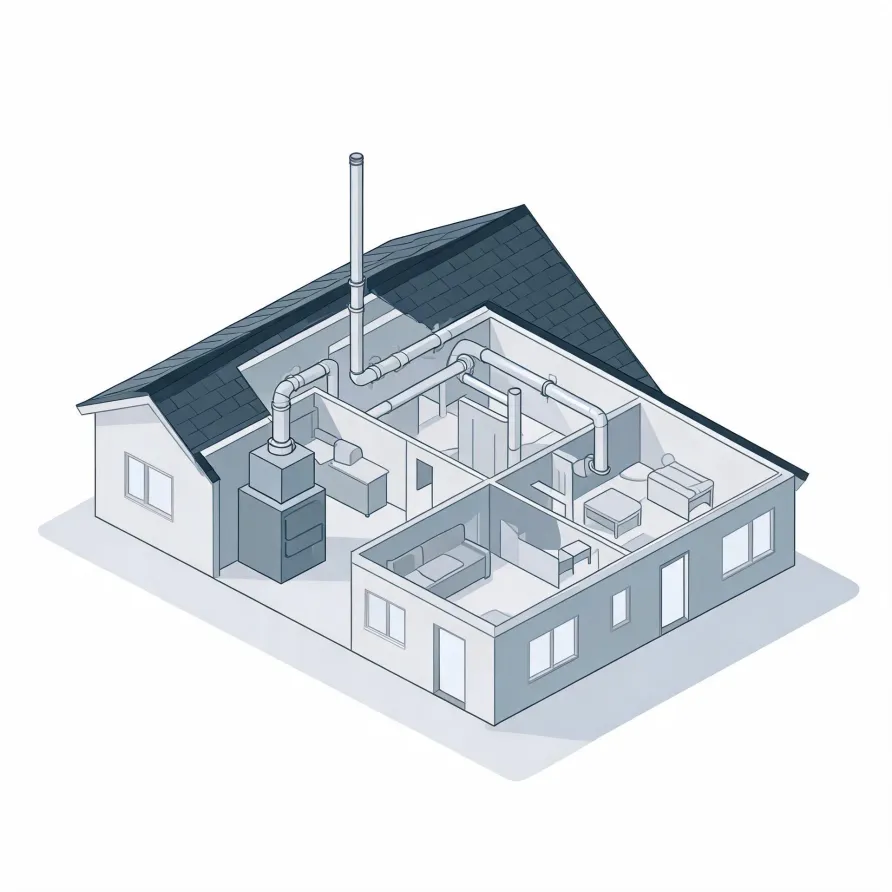
The furnace itself sits in a utility area, basement, or closet and is the unit a contractor opens first. Inside it, the heat exchanger is the piece that takes the most wear. A cracked or fouled heat exchanger explains a wide range of symptoms, from uneven heat to carbon monoxide concerns, so it is almost always the first internal component examined.
The blower motor pulls air through the unit and pushes it into the supply side of the house. The burners, igniter, and flame sensor sit upstream of the heat exchanger and are common failure points when the furnace fails to light or cycles off too quickly. The flue pipe carries exhaust out of the house and a contractor checks it for blockage or damage alongside the internal components.
The drawing shows a representative layout, and a licensed contractor determines which components apply to your specific system and what work is needed.
Get matched in Spartanburg CountySpartanburg County, by the numbers
194 severe weather events were recorded in Spartanburg County, South Carolina between 2015 and 2024.
NOAA National Centers for Environmental Information, Storm Events Database, bulk CSV export, events 2015-01-01 through 2024-12-31.Half the homes in Spartanburg County, South Carolina were built in 1990 or earlier (2020-2024 ACS 5-year).
U.S. Census Bureau, 2020-2024 American Community Survey 5-Year EstimatesSpartanburg County, South Carolina holds 144,170 housing units (2020-2024 ACS 5-year).
U.S. Census Bureau, 2020-2024 American Community Survey 5-Year EstimatesOwners occupy 73.0% of the occupied homes in Spartanburg County, South Carolina (2020-2024 ACS 5-year).
U.S. Census Bureau, 2020-2024 American Community Survey 5-Year EstimatesRules & Standards Behind Furnace Repair in Spartanburg County, South Carolina5 sourced rules and standards
What Happens When the Contractor Arrives
Non-weatherized gas furnaces manufactured on or after November 19, 2015 must reach 80.0 percent AFUE.
Non-weatherized oil-fired furnaces manufactured on or after November 19, 2015 must reach 83.0 percent AFUE.
Mobile home gas furnaces manufactured on or after November 19, 2015 must reach 80.0 percent AFUE.
Non-weatherized gas furnaces manufactured on or after December 18, 2028 must reach 95.0 percent AFUE, up from the 80.0 percent minimum that applies to units manufactured before that date.
Licensing Rules for HVAC Repair in Spartanburg County, South Carolina
South Carolina requires a mechanical contractor license for contracting work whose total cost of construction is greater than ten thousand dollars.
Severe Weather Events in Spartanburg County
Spartanburg County weather puts real strain on furnace components over time. That strain shows up as repair calls, and knowing the local pattern helps a contractor anticipate what breaks and why.
194 severe weather events, 2015–2024. Source: NOAA National Centers for Environmental Information, Storm Events Database.