Tell us about the job
Takes about a minute. No obligation.
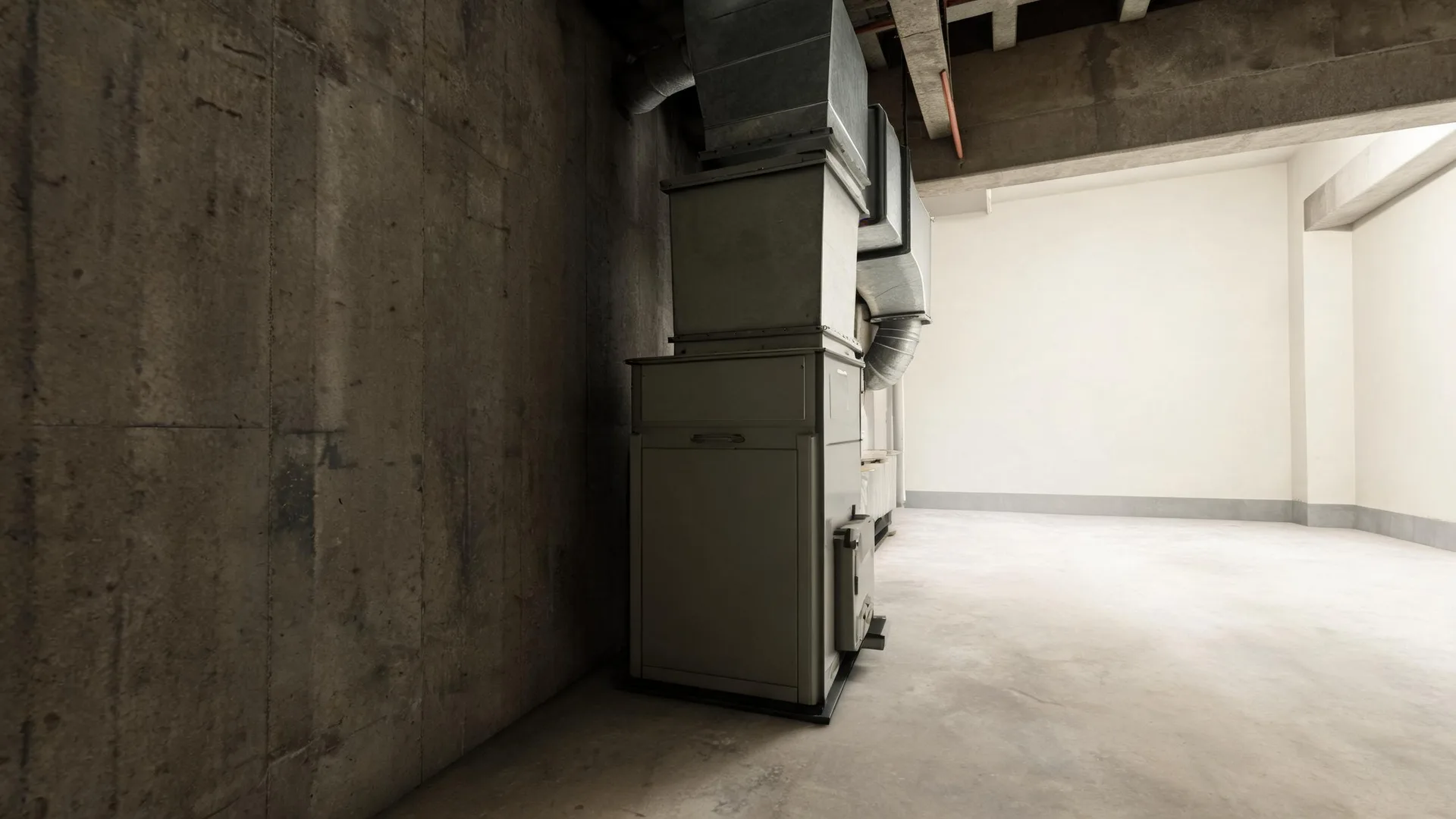
A furnace running through a long heating season puts its burner, heat exchanger, and ignition system through repeated cycling that adds up fast. Homes in Cherokee County, SC run heat about seven months a year, from October through April. By the time a homeowner notices reduced heat output or rising gas bills, the ignition assembly or heat exchanger has already been working hard for months on end without a real break. A contractor diagnosing a furnace here checks those components first, because they carry the bulk of the seasonal load and they show wear before anything else does.
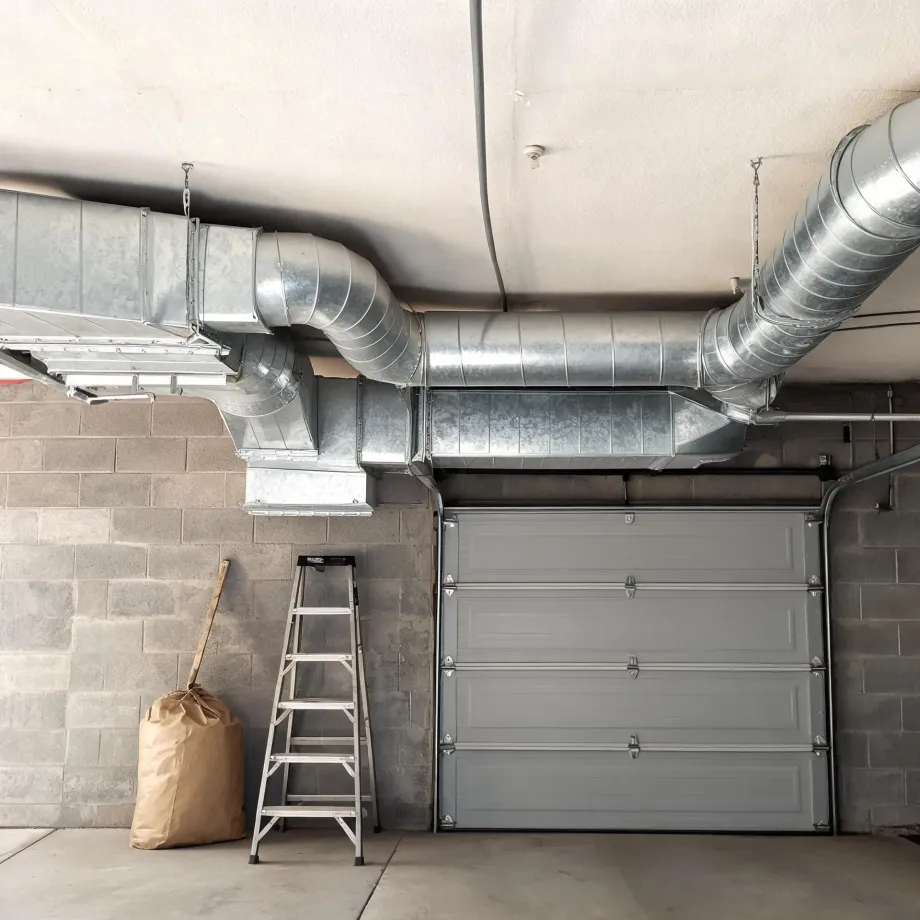
Ductwork in a house built to serve a furnace that has since been replaced at least once carries what every prior system left behind: debris, seal failures, and airflow paths that were never quite right for the equipment that followed. Half the homes in Cherokee County, South Carolina were built in 1984 or earlier (2020-2024 ACS 5-year). That gap between original construction and today's equipment is where a furnace repair gets complicated. A contractor who opens the unit and finds a clean heat exchanger still has to account for what the distribution side has accumulated, because restricted or leaking ducts force a furnace to run harder than it should, and that stress shows up as a repair call rather than a duct problem.
The Parts of a Furnace a Contractor Checks First
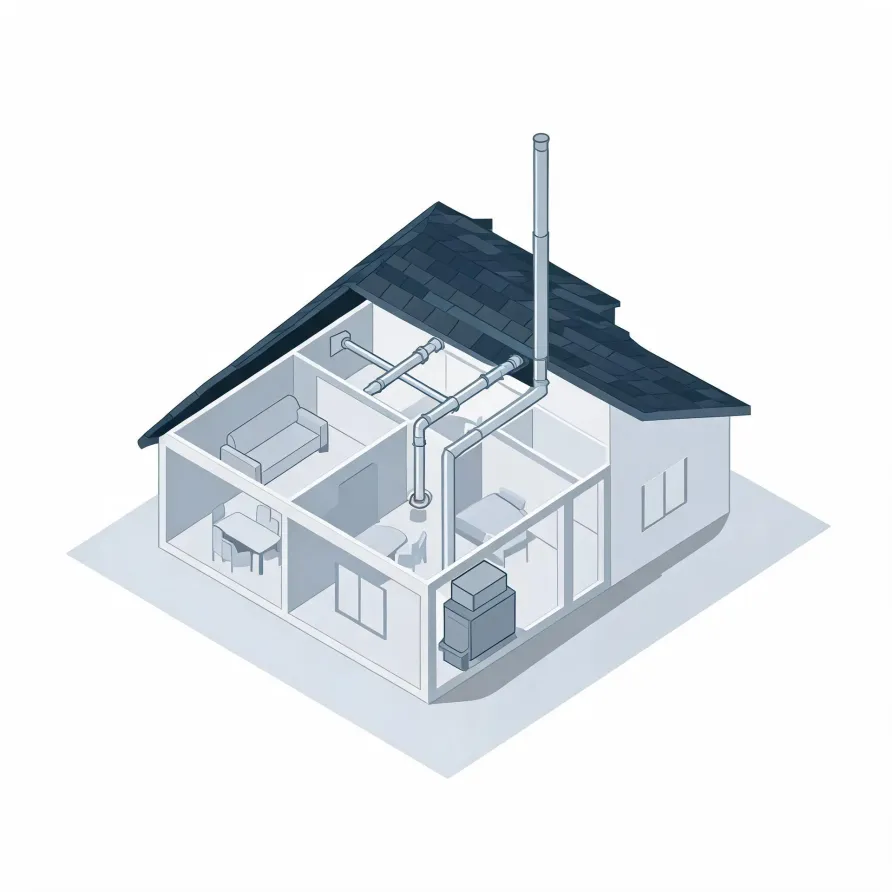
The furnace itself sits in a mechanical room, basement, or utility closet and is the piece a contractor goes to first. Inside it, the heat exchanger and burner assembly are the usual suspects when heat stops arriving or the system short-cycles. A cracked heat exchanger or a failed igniter shows up here.
The blower motor pulls air through the cabinet and pushes it into the supply side of the house. Sitting in the same cabinet, the limit switch and control board tell the burner and blower when to run. When either of those components fails, the furnace behaves erratically or refuses to start at all.
The drawing shows a typical furnace layout, and a licensed contractor determines what applies to the specific system in your home.
Get matched in Cherokee CountyCherokee County, by the numbers
80 severe weather events were recorded in Cherokee County, South Carolina between 2015 and 2024.
NOAA National Centers for Environmental Information, Storm Events Database, bulk CSV export, events 2015-01-01 through 2024-12-31.Half the homes in Cherokee County, South Carolina were built in 1984 or earlier (2020-2024 ACS 5-year).
U.S. Census Bureau, 2020-2024 American Community Survey 5-Year EstimatesCherokee County, South Carolina holds 25,150 housing units (2020-2024 ACS 5-year).
U.S. Census Bureau, 2020-2024 American Community Survey 5-Year EstimatesOwners occupy 73.8% of the occupied homes in Cherokee County, South Carolina (2020-2024 ACS 5-year).
U.S. Census Bureau, 2020-2024 American Community Survey 5-Year EstimatesCodes & Standards Governing Furnace Repair in Cherokee County, South Carolina5 sourced rules and standards
What HVAC Repair Looks Like in Cherokee County
Non-weatherized gas furnaces manufactured on or after November 19, 2015 must reach 80.0 percent AFUE.
Non-weatherized oil-fired furnaces manufactured on or after November 19, 2015 must reach 83.0 percent AFUE.
Mobile home gas furnaces manufactured on or after November 19, 2015 must reach 80.0 percent AFUE.
Non-weatherized gas furnaces manufactured on or after December 18, 2028 must reach 95.0 percent AFUE, up from the 80.0 percent minimum that applies to units manufactured before that date.
Contractor Rules in Cherokee County, South Carolina
South Carolina requires a mechanical contractor license for contracting work whose total cost of construction is greater than ten thousand dollars.
Severe Weather Events in Cherokee County
Storm activity puts real strain on heating equipment: pressure swings, power fluctuations, and temperature extremes all push a furnace harder than a calm season does. How often that happens in Cherokee County shapes how much wear local equipment accumulates and what repair needs look like here.
80 severe weather events, 2015–2024. Source: NOAA National Centers for Environmental Information, Storm Events Database.