Tell us about the job
Takes about a minute. No obligation.
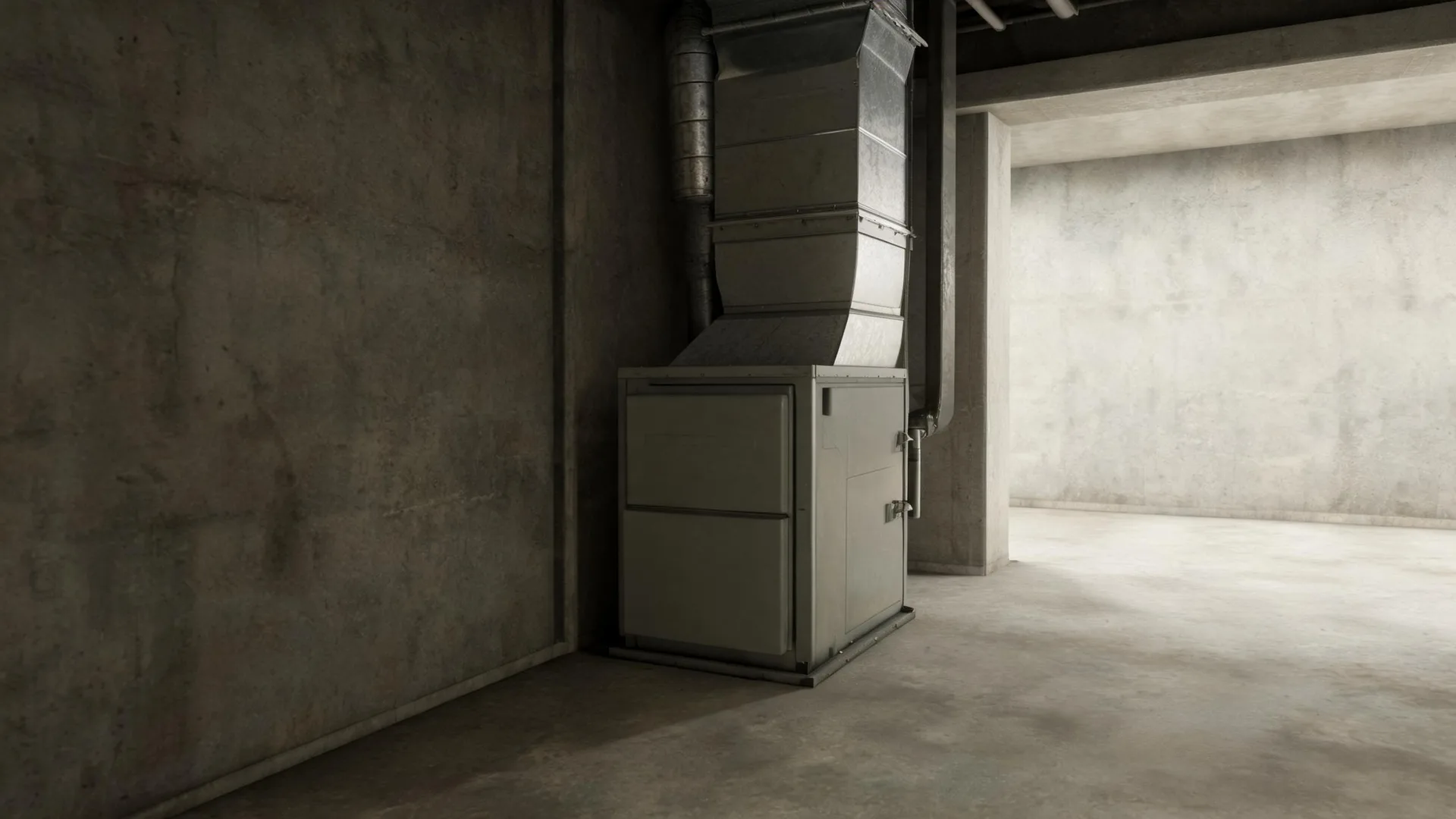
A furnace repair in Oconee County starts with the components that do the actual work of cycling: the burner, the heat exchanger, and the ignition system. Homes in Oconee County, SC run heat about seven months a year, from October through April. That kind of extended run time stacks real wear on the parts that fire and shut down repeatedly each season. A contractor working through a diagnosis here checks the ignition assembly and heat exchanger early, because those are where accumulated stress shows up first. Cracks, carbon buildup, and igniter degradation are the findings that follow years of sustained cycling, and they set the scope of the repair.
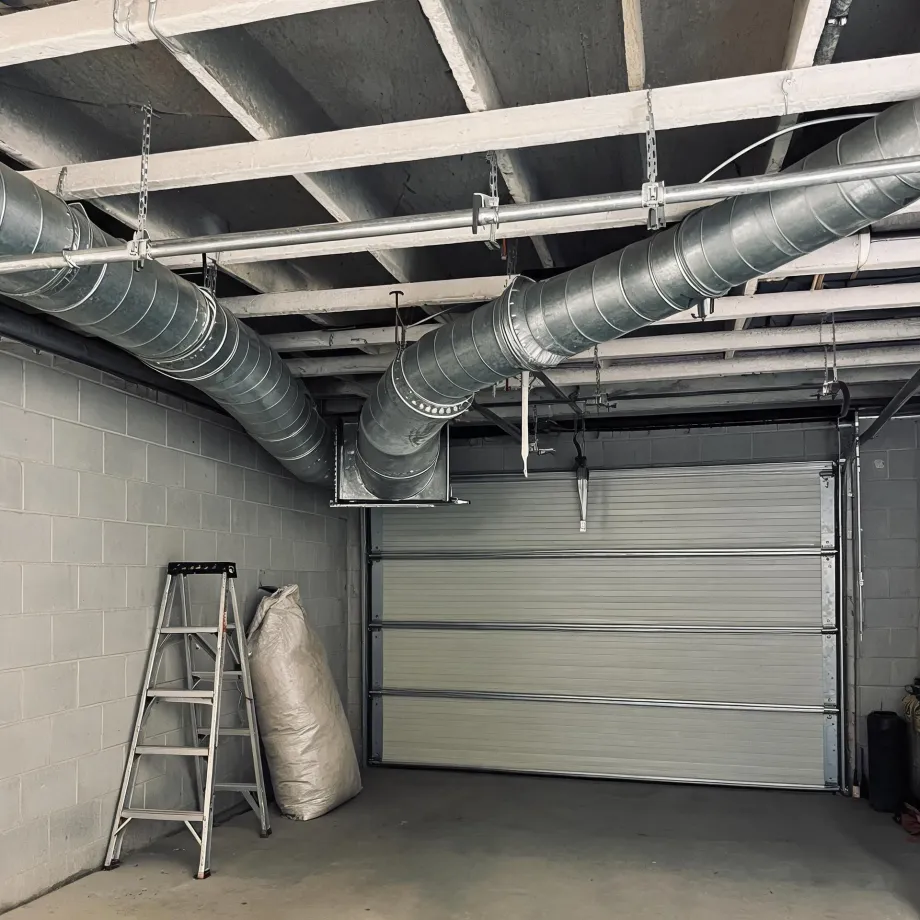
Furnaces in stock this old have usually been through at least one swap, which means the unit a contractor opens is younger than the house but old enough to sit in a gray zone for parts availability. Half the homes in Oconee County, South Carolina were built in 1990 or earlier (2020-2024 ACS 5-year). That gap matters on a repair call: a contractor who pulls a cracked heat exchanger or a failed inducer motor has to establish whether that part still moves through supply channels before the scope of the job is set. Sometimes it does. When it does not, the repair becomes a replacement conversation, and the homeowner finds that out after the unit is already open.
The Parts of a Furnace a Contractor Checks First
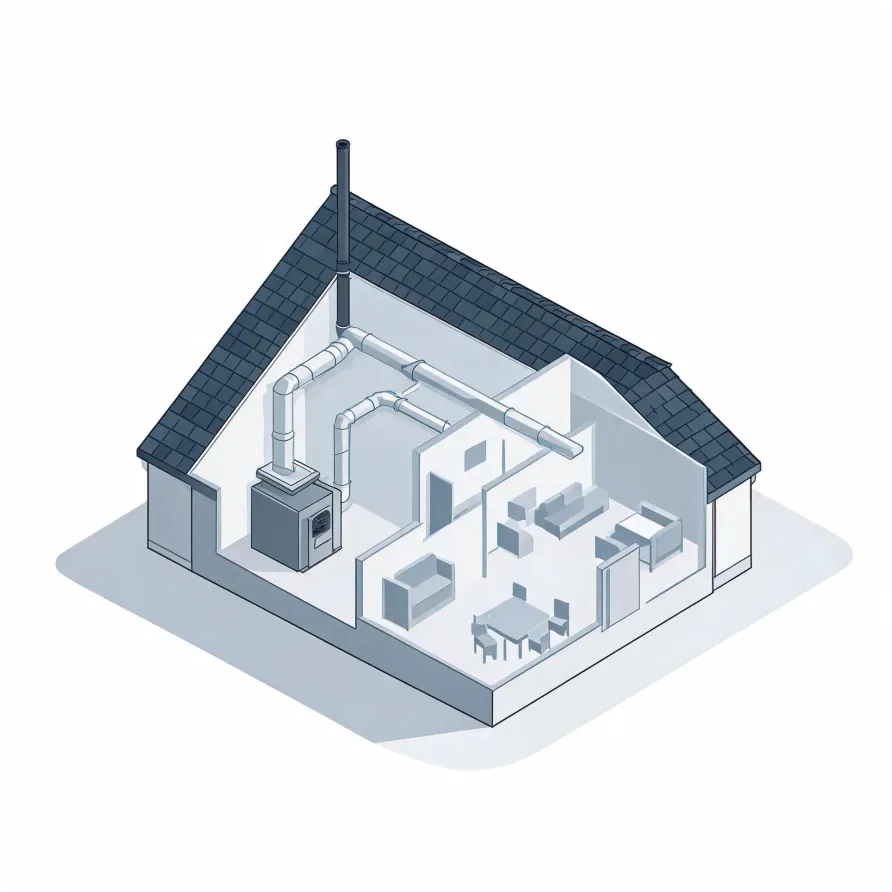
The furnace itself sits in a utility space, basement, or closet and is the piece that produces heat. Inside it, the heat exchanger is what a contractor looks at closely when a homeowner reports strange smells or uneven heat, because a crack there lets combustion gases into the living space. The burners, which fire inside that exchanger, are another early stop when the system runs poorly or won't ignite.
The blower motor sits at the base of the furnace cabinet and pushes conditioned air into the duct system. Alongside it, the flue pipe runs from the furnace to an exterior wall or roof and carries exhaust gases out of the house. The control board ties everything together, and a contractor reads its fault codes to trace problems that don't have an obvious source.
The drawing shows the general layout of a furnace system, and a licensed contractor determines what applies to the specific equipment and configuration in your home.
Get matched in Oconee CountyOconee County, by the record
136 severe weather events were recorded in Oconee County, South Carolina between 2015 and 2024.
NOAA National Centers for Environmental Information, Storm Events Database, bulk CSV export, events 2015-01-01 through 2024-12-31.Half the homes in Oconee County, South Carolina were built in 1990 or earlier (2020-2024 ACS 5-year).
U.S. Census Bureau, 2020-2024 American Community Survey 5-Year EstimatesOconee County, South Carolina holds 42,100 housing units (2020-2024 ACS 5-year).
U.S. Census Bureau, 2020-2024 American Community Survey 5-Year EstimatesOwners occupy 76.2% of the occupied homes in Oconee County, South Carolina (2020-2024 ACS 5-year).
U.S. Census Bureau, 2020-2024 American Community Survey 5-Year EstimatesCodes & Standards Governing Furnace Repair in Oconee County, South Carolina5 sourced rules and standards
What the repair visit looks like
Non-weatherized gas furnaces manufactured on or after November 19, 2015 must reach 80.0 percent AFUE.
Non-weatherized oil-fired furnaces manufactured on or after November 19, 2015 must reach 83.0 percent AFUE.
Mobile home gas furnaces manufactured on or after November 19, 2015 must reach 80.0 percent AFUE.
Non-weatherized gas furnaces manufactured on or after December 18, 2028 must reach 95.0 percent AFUE, up from the 80.0 percent minimum that applies to units manufactured before that date.
Licensing Rules for HVAC Repair in Oconee County, South Carolina
South Carolina requires a mechanical contractor license for contracting work whose total cost of construction is greater than ten thousand dollars.
Severe Weather Events in Oconee County
Weather puts hours on HVAC equipment. The more a furnace is pushed through temperature swings and storm-driven outages, the more wear it accumulates, and that wear shows up as repair calls.
136 severe weather events, 2015–2024. Source: NOAA National Centers for Environmental Information, Storm Events Database.