Tell us about the job
Takes about a minute. No obligation.
Homes in Chester County, SC run heat about five months a year, from November through March. A furnace burner and its ignition system cycle on and off through every cold night across those months, and that repetition is where wear concentrates. Cracked heat exchangers, fouled igniters, and stressed limit switches are what contractors find most often when they open a Chester County furnace for repair, not because the equipment is poor but because it has been asked to work steadily and the parts that fire and light show it first.
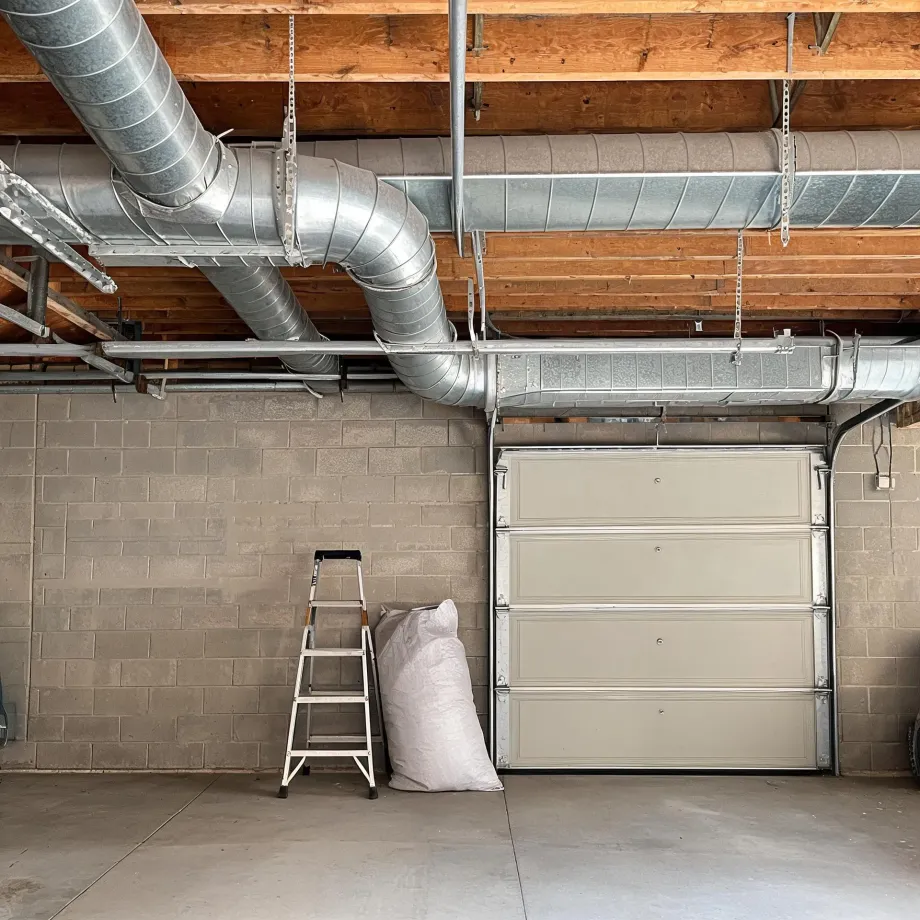
Furnaces in Chester County get opened and the internals reflect what the house has carried through multiple equipment cycles. Half the homes in Chester County, South Carolina were built in 1980 or earlier (2020-2024 ACS 5-year). That history shows up in heat exchangers that have flexed through decades of expansion and contraction, in flue connections rerouted around previous units, and in ductwork that was fitted to a system no longer in the house. A contractor pulling a furnace panel here prices the repair around what that opened system actually contains, because the parts a furnace of this vintage takes are not always the ones a distributor stocks today.
The Parts of a Furnace a Contractor Checks First
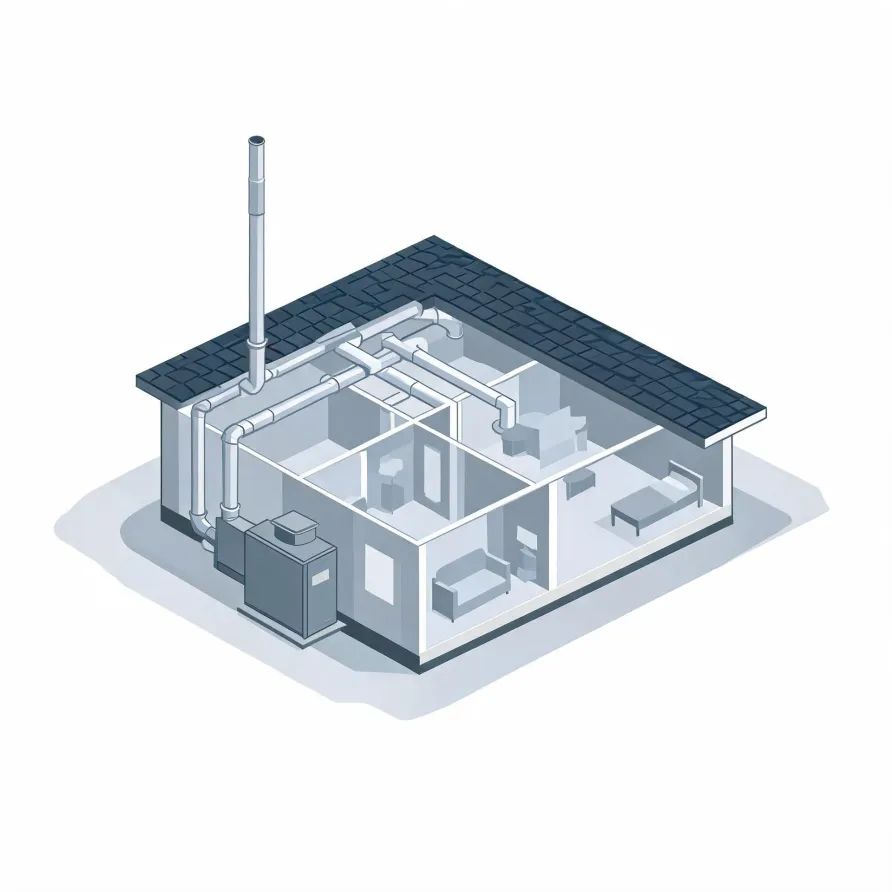
The furnace itself sits in a mechanical room, basement, or utility closet and is the piece a contractor goes to first. Inside it, the heat exchanger is the part that does the actual work of warming air, and a crack or failure there is serious. The burners and the igniter sit inside that same cabinet and are common sources of no-heat calls.
The blower motor moves conditioned air out of the furnace and into the house, and a failing motor shows up as weak airflow or no airflow at all. Alongside it, the flue pipe runs from the furnace cabinet up and out of the house, and the draft inducer that drives exhaust through it is another piece a contractor checks when the system short-cycles or fails to start.
The drawing shows a general layout of these components, and a licensed contractor determines what applies to the specific equipment and configuration in your home.
Get matched in Chester CountyChester County, SC, by the numbers
61 severe weather events were recorded in Chester County, South Carolina between 2015 and 2024.
NOAA National Centers for Environmental Information, Storm Events Database, bulk CSV export, events 2015-01-01 through 2024-12-31.Half the homes in Chester County, South Carolina were built in 1980 or earlier (2020-2024 ACS 5-year).
U.S. Census Bureau, 2020-2024 American Community Survey 5-Year EstimatesChester County, South Carolina holds 14,807 housing units (2020-2024 ACS 5-year).
U.S. Census Bureau, 2020-2024 American Community Survey 5-Year EstimatesOwners occupy 78.4% of the occupied homes in Chester County, South Carolina (2020-2024 ACS 5-year).
U.S. Census Bureau, 2020-2024 American Community Survey 5-Year EstimatesCodes & Standards Behind Furnace Repair in Chester County, South Carolina5 sourced rules and standards
What HVAC Repair Looks Like in Chester County
Non-weatherized gas furnaces manufactured on or after November 19, 2015 must reach 80.0 percent AFUE.
Non-weatherized oil-fired furnaces manufactured on or after November 19, 2015 must reach 83.0 percent AFUE.
Mobile home gas furnaces manufactured on or after November 19, 2015 must reach 80.0 percent AFUE.
Non-weatherized gas furnaces manufactured on or after December 18, 2028 must reach 95.0 percent AFUE, up from the 80.0 percent minimum that applies to units manufactured before that date.
What Chester County, South Carolina Requires for HVAC Repair
South Carolina requires a mechanical contractor license for contracting work whose total cost of construction is greater than ten thousand dollars.
Severe Weather Events in Chester County
Weather puts load on heating equipment. Hard conditions accelerate wear, and a furnace in Chester County that has worked through that stress is more likely to need attention than one that has not.
61 severe weather events, 2015–2024. Source: NOAA National Centers for Environmental Information, Storm Events Database.