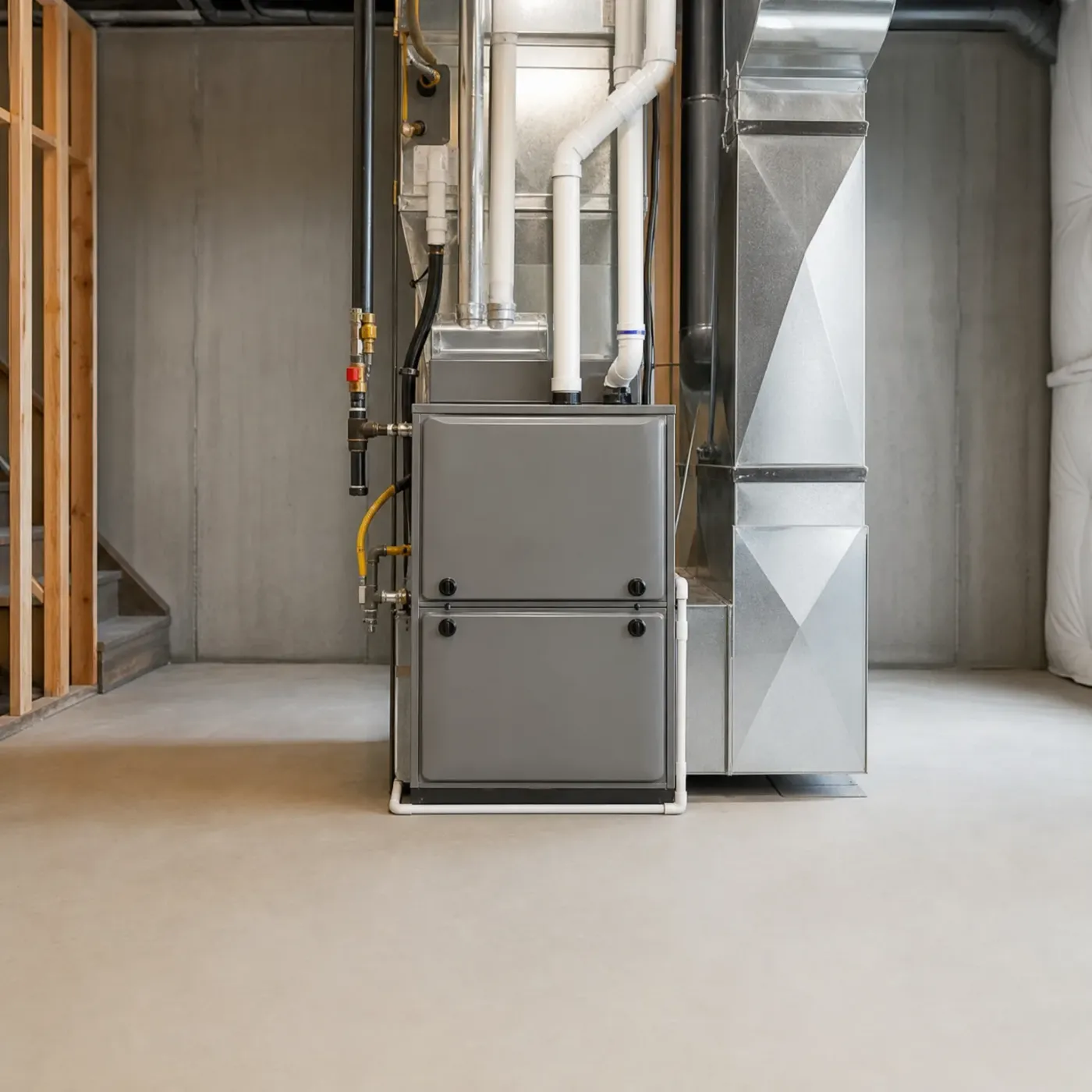
Furnace running clean
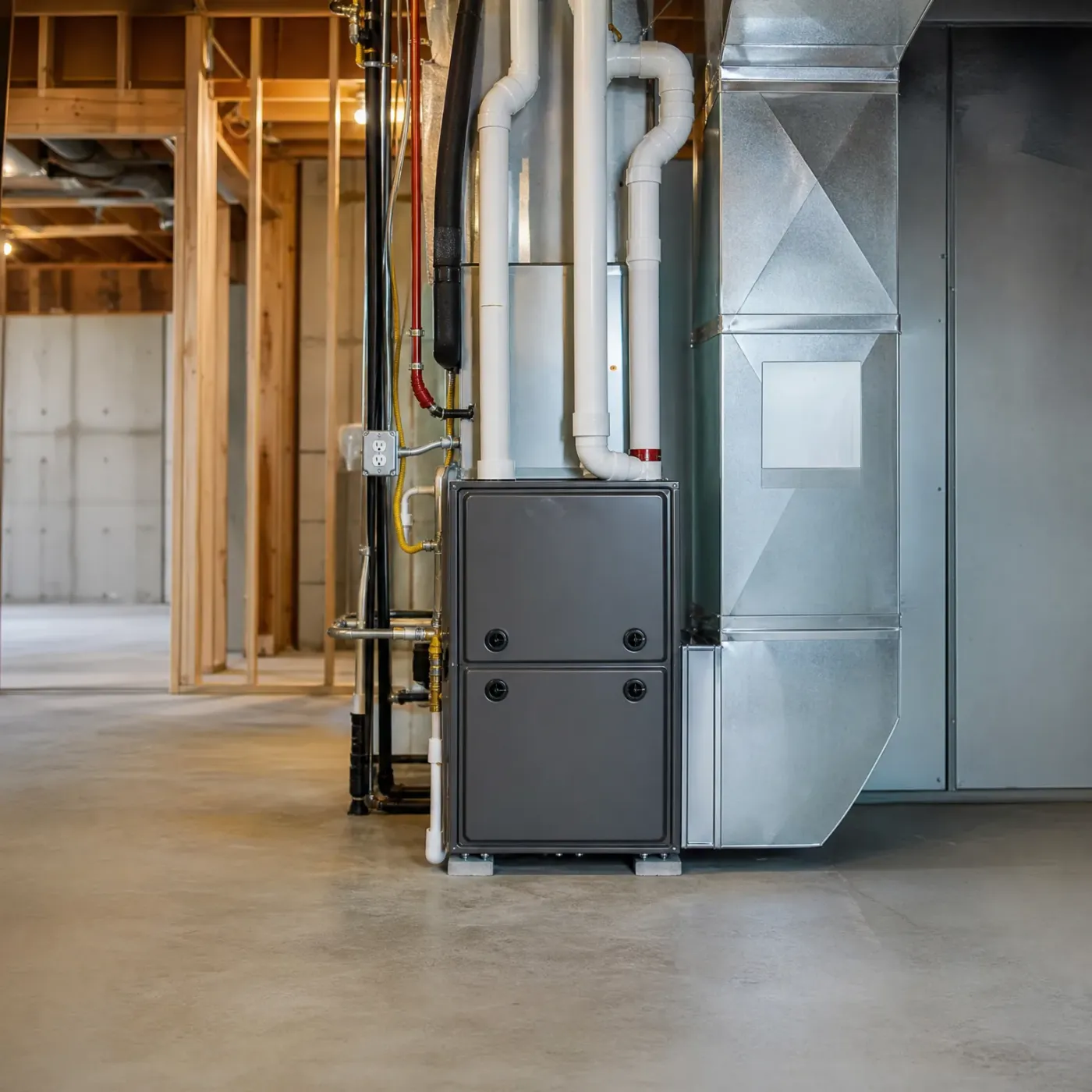
This is what a furnace that's keeping up looks like. The cabinet is sealed, the flue runs tight, and the air it pushes out is warm and steady. Dry air is still dry air, but the system isn't working against itself to deliver it.
 Hand it off
Once you send the form, finding a pro is off your list.
The furnace comes on and the air in your house turns dry. Your skin feels tight, your throat is scratchy by evening, and there's static in every blanket. This is normal for a South Carolina winter. Most homes here heat with electricity, and electric heat doesn't add moisture to the air the way your muggy summers do. It just moves dry warm air around, and dry air pulls moisture out of your skin, your furniture, your sinuses.
A dirty filter or a furnace that's overdue for a look can make this worse than it needs to be. Airflow problems make the system run longer to hit the same temperature, which dries the house out more. A technician checking the filter, the blower, and the system's airflow during a maintenance visit can tell you if that's part of what you're dealing with, and whether a whole-house humidifier makes sense for your setup.
You don't have to spend your evening calling around to find out. Finding a contractor who services furnaces in your part of South Carolina, checking they're licensed, explaining the dry air and the static shocks and the cracked skin on your hands, getting a quote, then doing it again with a second company to compare, that's the part that takes the time. Send the form instead and that work is off your plate. You're not left searching next.
Once it's in, finding someone to come look at your system is no longer something you have to manage yourself. You can get back to the rest of your evening and let that part go.
You've noticed it every winter but this year it seems worse. The second the thermostat clicks on, your nose dries out, your lips crack, and the dog's fur crackles when you pet it. Nothing changed about your house. You just want to know if this is your furnace doing something wrong, or if this is just what a South Carolina winter does to the inside of a house with electric heat running.
Cold outdoor air holds very little moisture to begin with, and once your furnace heats it, the relative humidity inside drops even lower, since warm air can hold more moisture than cold air but isn't getting any extra to hold. Electric heat, which most homes in South Carolina use, doesn't burn fuel or produce the moist byproducts a gas flame does, so there's nothing in the process adding humidity back into the air. The furnace is simply moving dry air through your house faster than it would move on its own. This is a normal feature of winter heating, not a sign your system needs repair, though a technician checking it over can confirm nothing else is pulling extra moisture out of your home.
This is what a furnace that's keeping up looks like. The cabinet is sealed, the flue runs tight, and the air it pushes out is warm and steady. Dry air is still dry air, but the system isn't working against itself to deliver it.
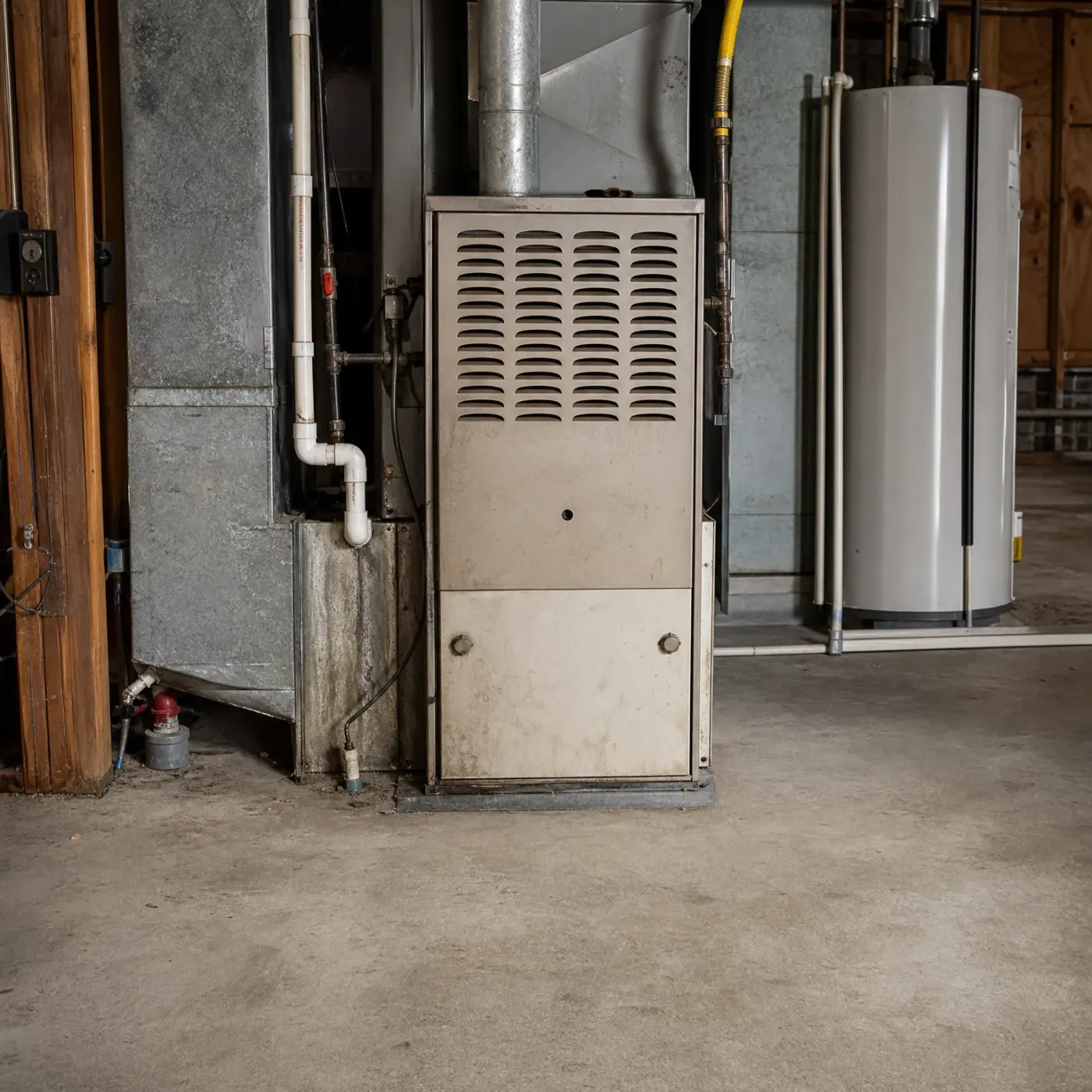
An older furnace with louvered vents has to pull more room air to breathe, which only adds to how fast your house dries out. If yours looks like this one, a maintenance visit can tell you whether it's running the way it should before the coldest months hit.
36°F doesn't sound hard on a house, but it means that furnace is cycling on most of the night, every night, for months. Each cycle pulls more moisture out of the air inside. That's why the dryness builds instead of leveling off.
NOAA nClimDiv 1991-2020 county normals weighted by homes
Cold outside air leaks in and replaces air that just got dry.
The furnace heats that new air without adding any moisture.
Warm air holds more moisture than cold air can.
That warm, dry air pulls moisture out of your skin, wood, and furniture.




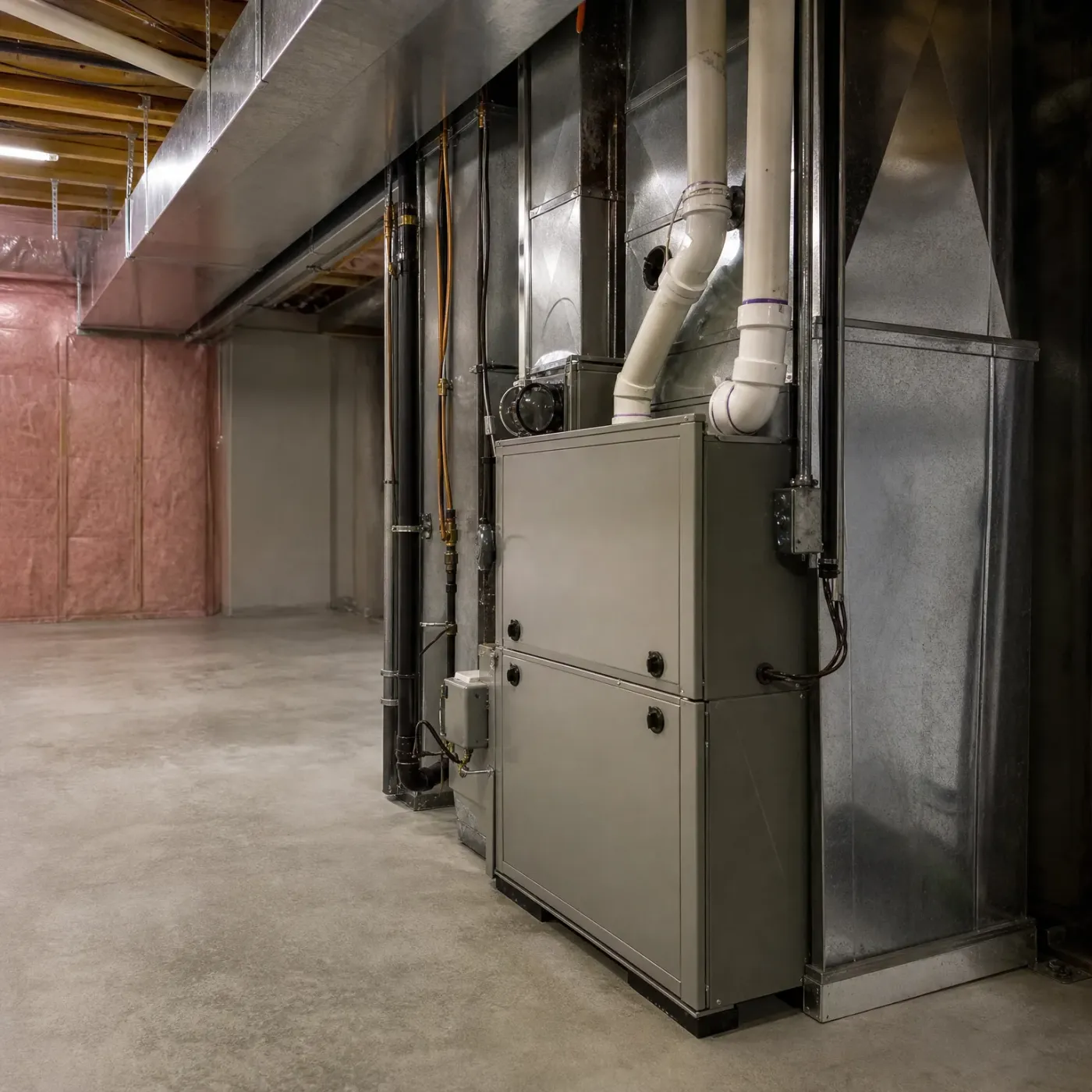
Answer a few questions instead of calling shop after shop.
After you send the request, you're done searching.
Sending the form costs nothing.
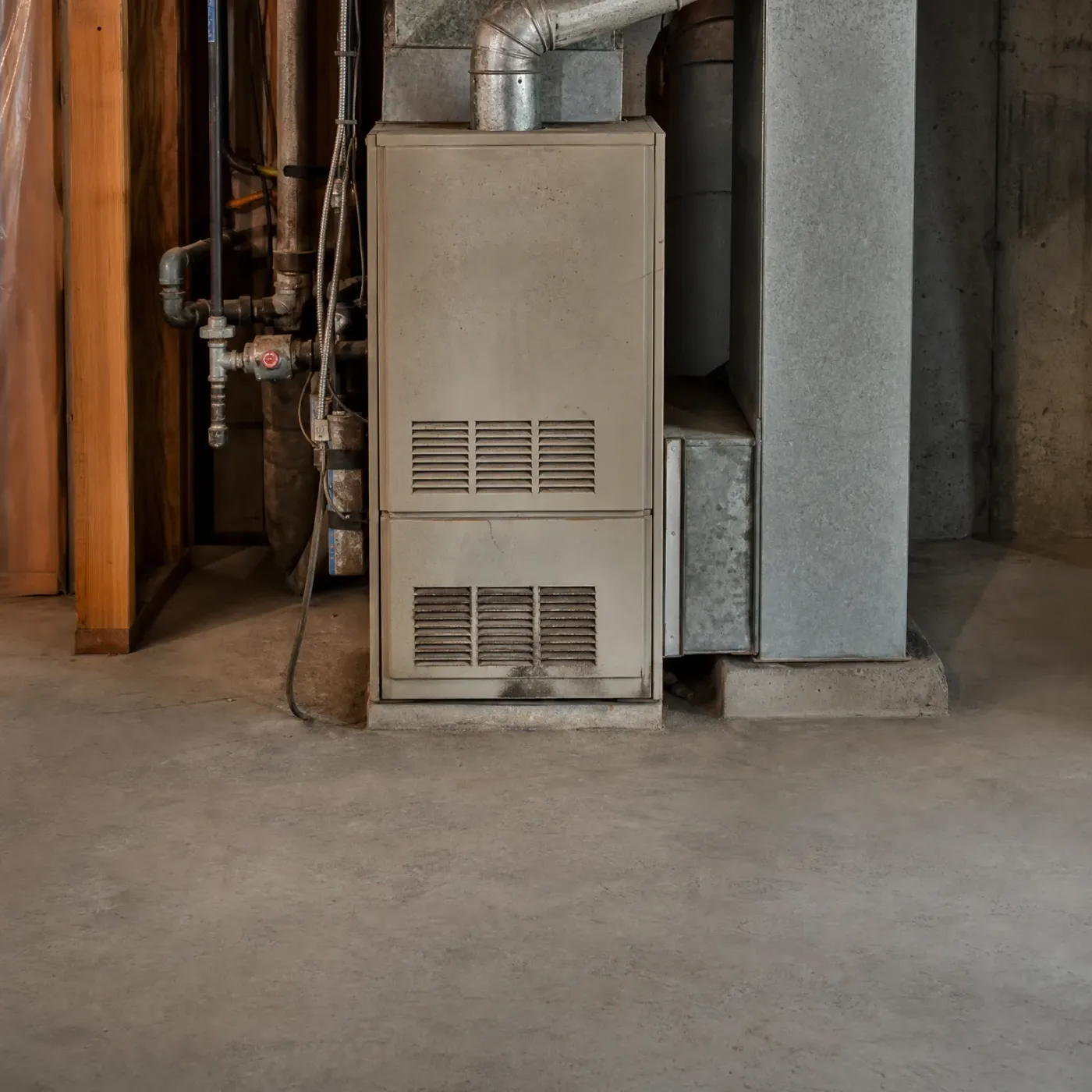
It's not just your skin. Look at the wood floors or trim near a vent, you might catch a hairline gap that wasn't there last winter. Door frames stick or suddenly don't. Houseplants need water twice as often. Static shocks off doorknobs become a daily thing, and electronics don't like that either. If anyone in the house has asthma or eczema, dry air tends to make both worse once the furnace runs most of the night. None of this means something is broken. It means the air has nothing left in it to give, and your house and the people in it are the ones who notice.
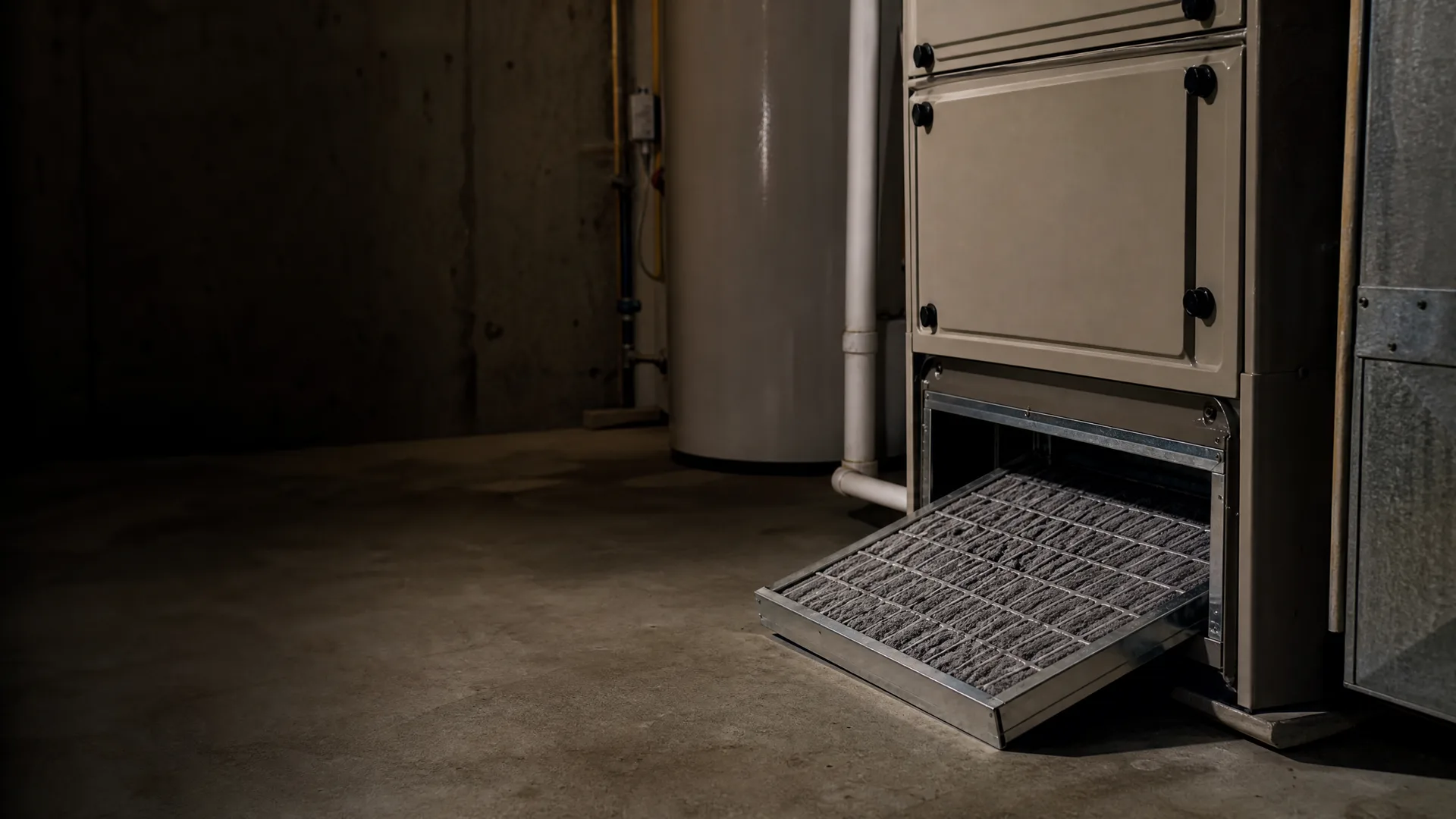
You're down in the basement on a Saturday afternoon in October, and you've pulled the filter to check it before the cold really sets in. It's grey, thick with dust, and when you hold it up to the light from the small window you can barely see through it. The furnace sits quiet behind you, waiting for the first cold snap. You slide the filter back out partway, turning it over in your hands, thinking about how fast it got this dirty. Somewhere above you, the thermostat is still set low. It won't click on for another hour or two, once the afternoon sun drops and the basement loses what little warmth it had.
The dryness in your house this winter comes from cold air leaking in, warming up, and pulling moisture out of everything it touches, your skin included. That's what South Carolina winters do to a house heated by electricity, and it builds for as long as that furnace keeps cycling. A furnace that's maintained isn't fighting a dirty filter or a cabinet that isn't sealed, so it doesn't have to work as hard to push air through the house. Maintenance won't put moisture back into the air, but it keeps the system from making the problem worse than it has to be. You already know what this winter looks like without it. Finding someone qualified to look at your furnace, checking licenses, calling around for quotes, explaining the same thing three times over, is its own chore on top of everything else. Send the form and that part is done. Someone will reach out, and from there the furnace is off your list of things to think about this season.


Finding a pro stops being your job
Describe your furnace job once, to one pro.