
Why your furnace whistles in South Carolina

A local pro who knows furnaces gets your details and gets in touch.

Get matched

A whistling sound usually means air is being forced through a gap too small for it, somewhere between the blower and the vents. Most homes in South Carolina heat with electric furnaces, and the whistle often shows up at the return air grille or a duct seam when the filter is clogged and the blower has to pull harder to move the same amount of air. It can also mean a duct connection has come loose or a supply register is mostly closed, squeezing the air into a narrower path than it was built for. None of this is normal operation. A furnace that has to strain to push air uses more power doing it, and the strain tends to fall on the blower motor over time. The sound is worth checking before it turns into a bigger repair.

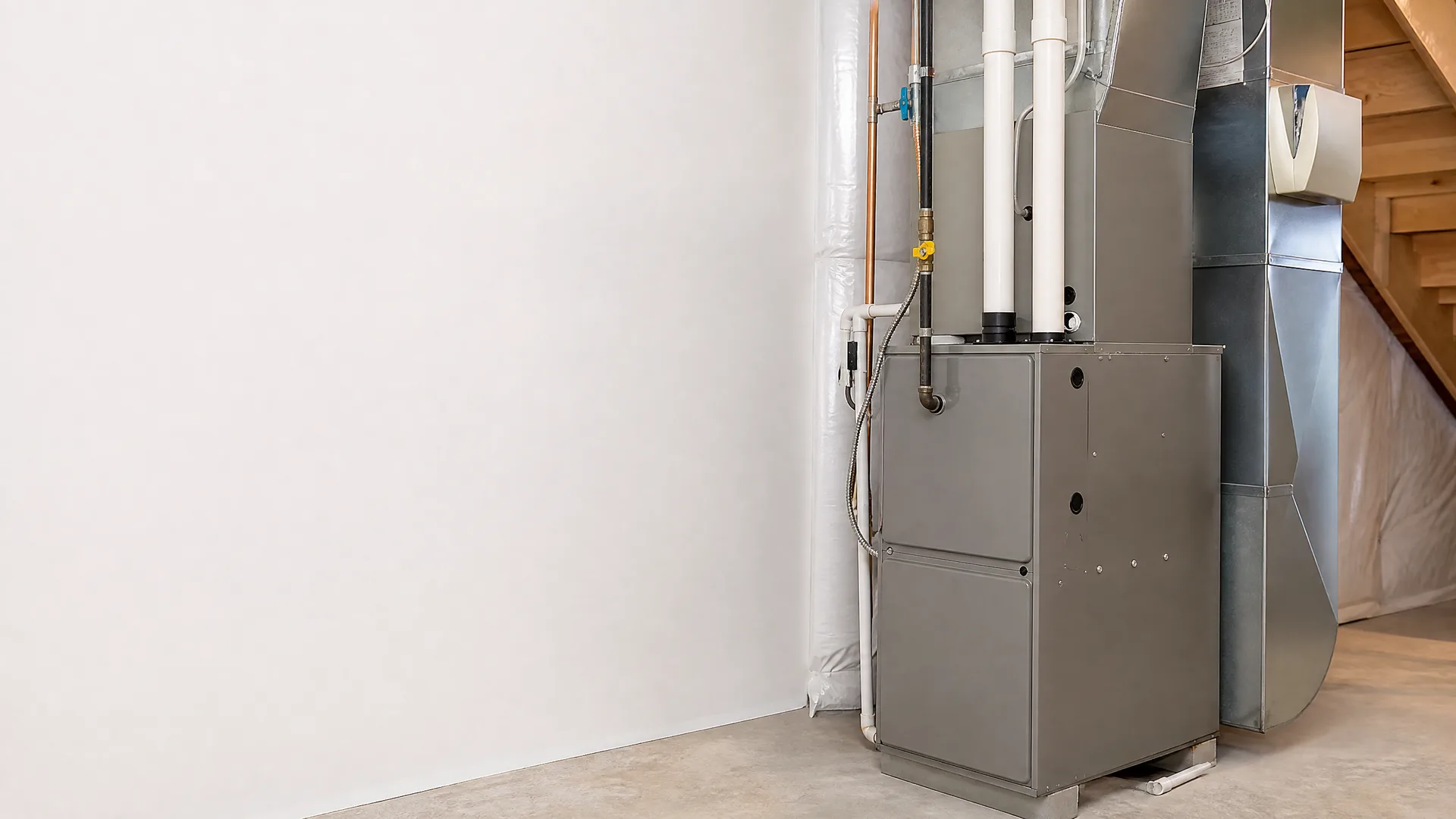
A gray high-efficiency furnace with two PVC vent pipes stands in an unfinished basement beside sheet-metal ductwork, a framed and plastic-covered wall, and a bare concrete wall with vertical pipes.

A quiet furnace run

Air moves through the return grille, down through the cabinet, and out through the ducts without a sound worth noticing. The filter sits clean behind the grille, and the panels on the furnace stay seated tight against the cabinet, so no air finds a narrow gap to squeeze through.
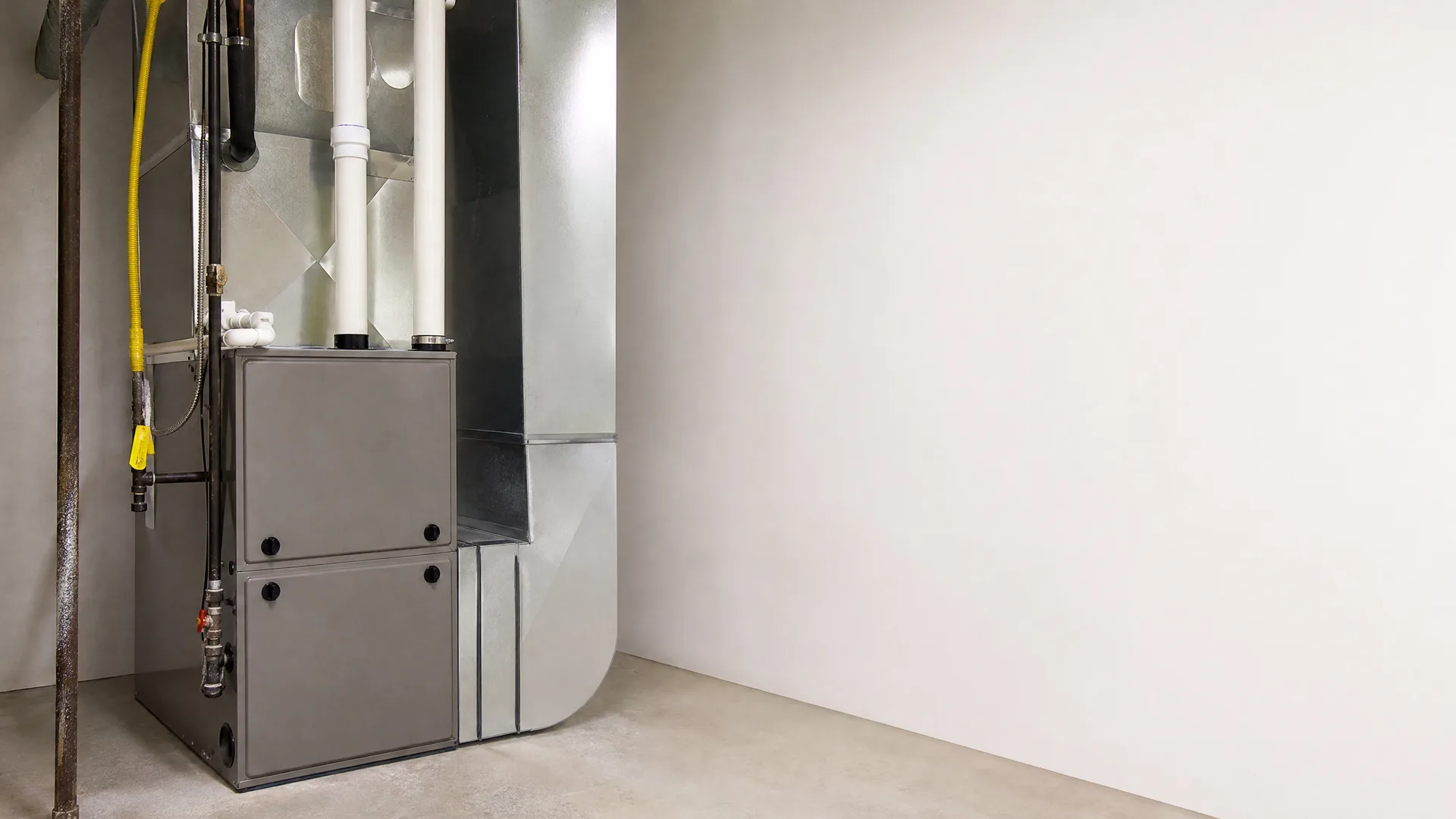
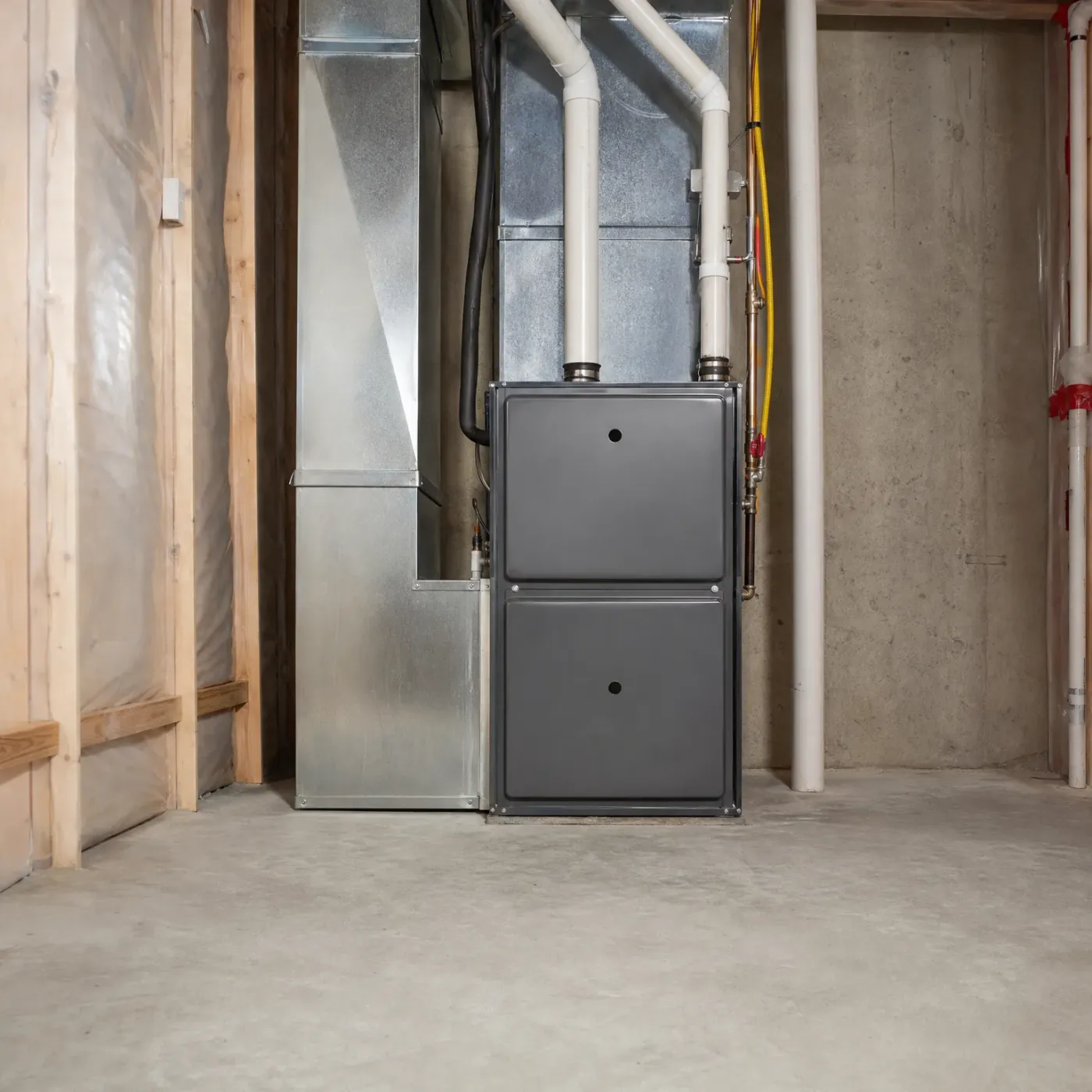
A gray furnace cabinet in a basement, connected to galvanized sheet-metal ductwork and white PVC pipes, against a concrete wall with exposed metal piping and insulation overhead.

A whistle that keeps coming back

A clogged filter or a loose panel seam narrows the path, and the air moving through it makes the sound you're hearing. Left alone, the blower works harder to push the same air, and that strain is what a repair visit is meant to catch early.

Filter Fix or Something Sealed Shut

Dirty filter

  • A filter clogged with dust narrows the only path air has into the furnace, so it speeds up through the gap that's left and whines doing it.
  • You can pull the filter and check it yourself against a light; if you can't see light through it, that's likely the cause.
  • Swapping it is a job most homeowners handle on their own, no contractor needed.
  • If the whistle quiets down right after you change it, the filter was the whole problem.

Loose panel or duct seam

  • A furnace panel that isn't seated flush, or a seam in the ductwork that's come apart, gives air a narrow gap to squeeze through on its way out.
  • This kind of gap doesn't go away on its own and usually gets a little louder over time as it works further open.
  • Pushing the panel back flush or listening along the ducts for where the sound gets sharper can point to the spot.
  • A seam inside the wall or above a ceiling isn't something you can reach or reseal yourself, and that's where a contractor's repair comes in.
  • Once it's found and sealed, the air goes back to moving through the full opening instead of a narrow one, and the whistle stops.
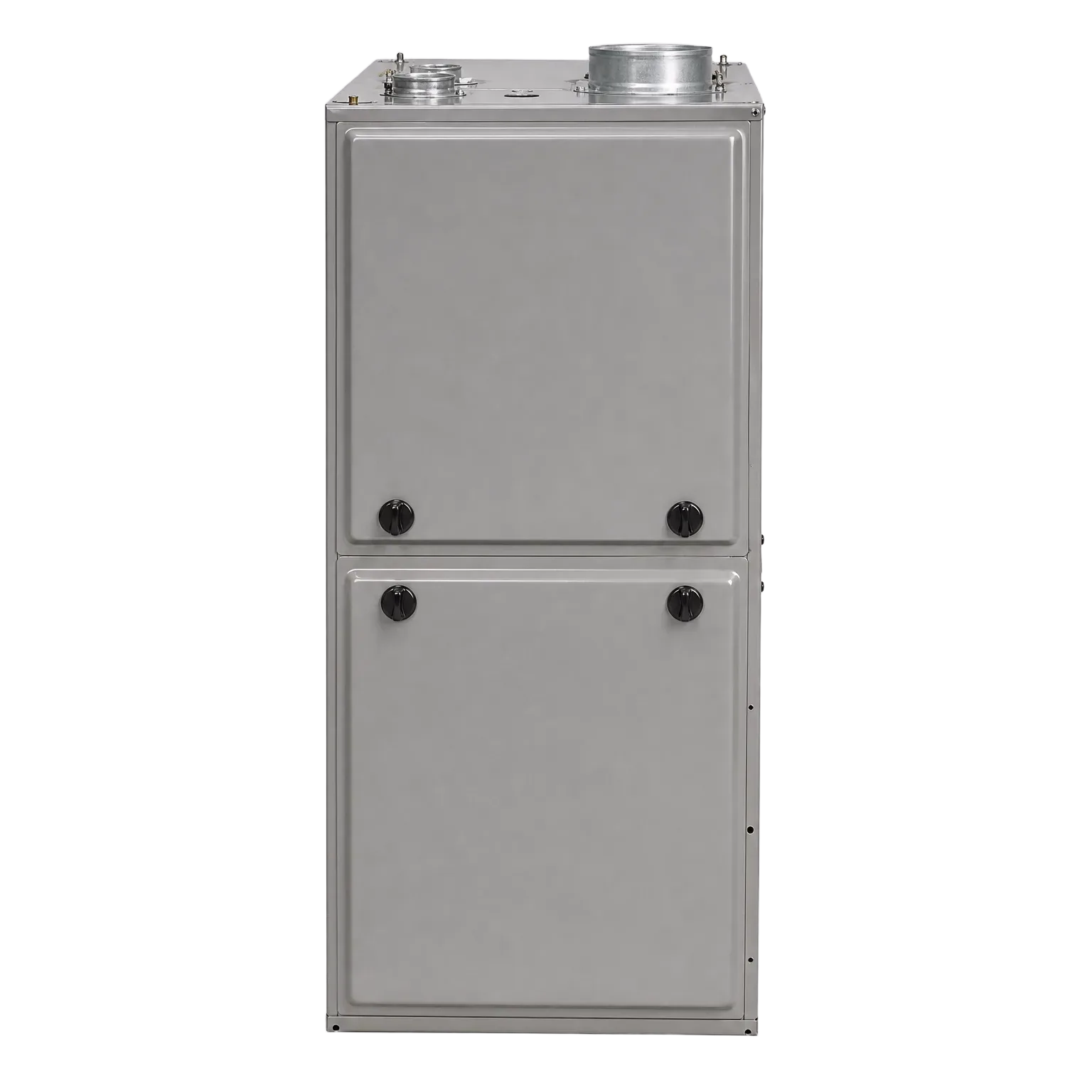
A gas furnace with two gray access panels stands against a plain wall in a basement, connected to sheet-metal ductwork, white PVC vent pipes, and a yellow gas line.

Where the gap usually is

The whistle almost always points to the return side, since that's where the blower pulls hardest against whatever's in its way. A filter slot with gaps around the edges, a return grille too small for the blower running behind it, or a panel that's lost a screw and sits loose against the cabinet. Electric furnaces run their blower on every cycle, so a gap that whistles will whistle every time the system kicks on, not just on the coldest days.

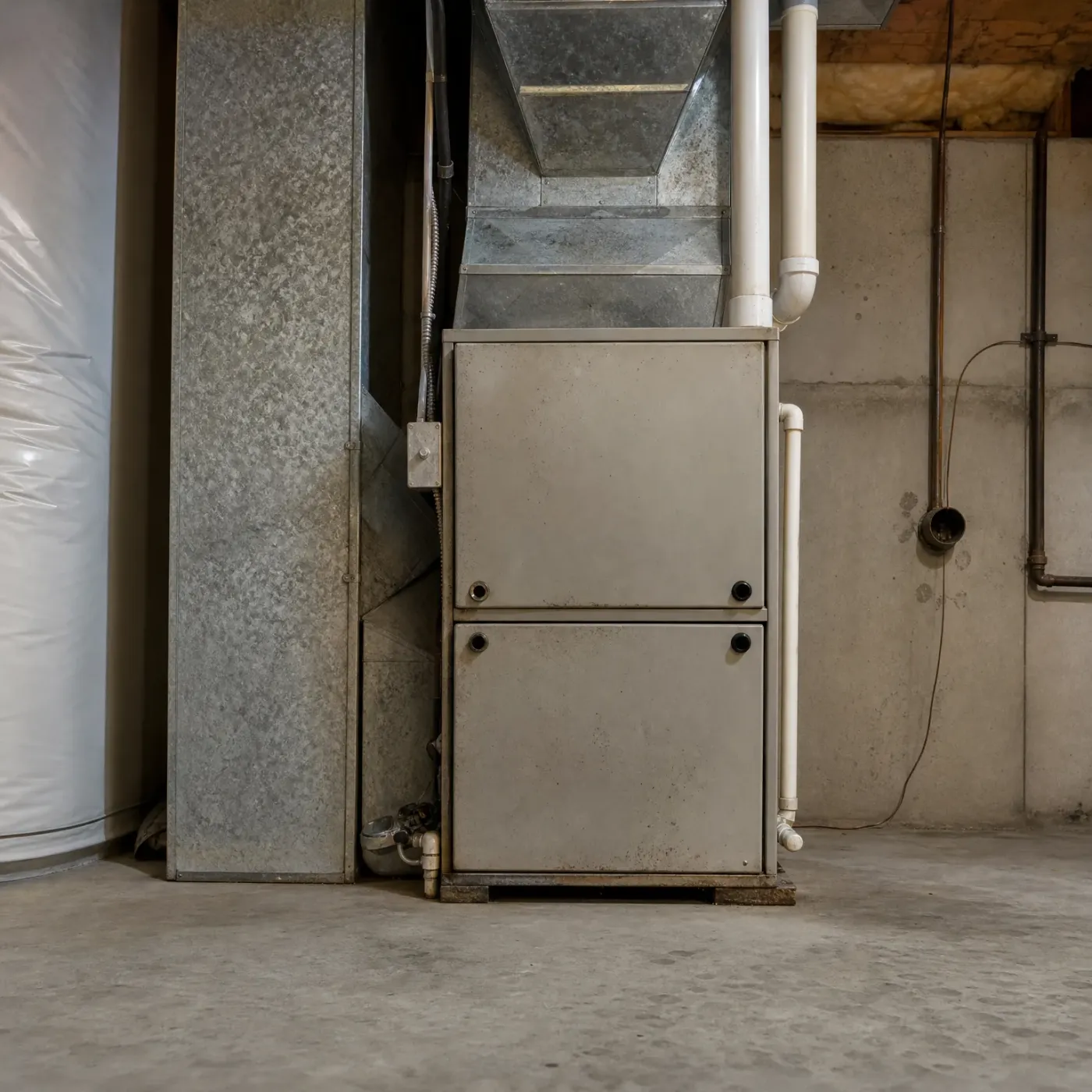
A gray high-efficiency furnace in a basement corner with white PVC vent pipes, copper and black gas piping, and sheet-metal ductwork beside a plain white wall and wooden stair framing.

Why the pitch changes

A higher, thinner whistle usually means a smaller gap, air squeezing through a narrow seam at the panel edge or a loose duct connection. A lower, breathier sound often means a wider opening, like a return grille that's undersized for the blower behind it. The pitch won't tell you exactly where to look, but it tells you whether you're hunting for a seam or a larger opening, which narrows the search before a contractor ever opens the cabinet.

Winter nights average 36°F statewide

With nights averaging 36°F across South Carolina in December, January and February, your furnace is running often enough that a whistle won't stay occasional. A gap that only hisses a little tonight will wear wider and get louder before spring.

NOAA nClimDiv 1991-2020 county normals weighted by homes

Left running, a whistle does not fix itself. The gap it is coming from wears wider under months of electric heat, and the sound that is faint now gets louder by February.

A furnace repair can find that gap and close it before it costs you more on the power bill or leaves you without heat on a cold night.

A woman in a gray turtleneck sweater stands by a window looking outside at snowy ground, with a dimly lit living room containing a sofa, shelves, lamp and a lit candle behind her.
A woman in a cream cable-knit turtleneck sweater stands in a warmly lit living room with a fireplace and shelves behind her, looking out a window toward snow-covered trees and a railed deck.
A woman in a cream knit turtleneck sweater stands by a window looking out at snow, with a lit fireplace, sofa and lamp in the room behind her.
A woman in a gray knit sweater sits by a window looking out at falling snow, with a dimly lit living room containing a sectional sofa, pillows, a lamp and houseplants behind her.

A pro who works on furnaces

Once you send the form, finding a pro is off your list.

Sending the form costs nothing.

Fixing it when it starts

A whistle you catch early is usually one gap, in one spot, and a contractor can close it in a single visit. The filter gets swapped, a panel gets reseated, a seam gets sealed, and the furnace goes back to running quiet. You're not waiting to see if it gets worse, because you already know it will. Catching it now means the fix stays small, and the furnace runs the rest of the winter without anyone thinking about it again.

Waiting until it's loud

A whistle left alone doesn't stay faint. The gap it's coming from widens with every hour the furnace runs, and by the coldest nights in January it's loud enough that you notice it from another room. What would have been one gap to seal can turn into a panel that won't seat right or a blower working harder than it should. The furnace still heats the house, but it's working against itself to do it, and that shows up on the power bill before it shows up anywhere else.

A bearded man in a plaid flannel shirt stands in a kitchen looking out a window toward snow-covered shrubs, with a steaming mug on the windowsill and potted plants on a shelf behind him.
A smiling man with dark curly hair in a navy t-shirt sits on a gray couch indoors, with a large-leafed plant and a window in the background.

A whistle you catch now

One gap, found and closed in a single visit. The furnace goes back to running quiet, and you stop listening for it every time the heat kicks on.

Hand it over

A whistle you let ride out the winter

The gap wears wider under months of electric heat. By February it's louder, and whatever's forcing the air through it is working harder to do it.

Hand it over
A woman in a cream sweater and jeans stands in the open doorway of a white stucco house, holding the dark door, while a man in a dark quilted jacket seen from behind walks toward the entry past potted plants.

A whistle is a small thing until it isn't

The sound is air finding a gap it shouldn't have, somewhere between the blower and the vents. That much has been true every time it came up on this page. A clean filter, a seated panel, a sealed seam, and the furnace goes back to running the way it's supposed to, with nothing to catch your ear on a cold night in January.

You don't have to figure out which of those it is before you do anything about it. Send in what's going on and a contractor who works on furnaces in South Carolina gets your details and reaches out, the kind of person who's heard this exact whistle before and knows where to look first. From there it's not something you're carrying around anymore. You'll know where things stand, and the furnace can go back to being something you don't think about.

Interior corner with a beige sofa holding a dark green and a light cushion and a textured throw, a potted small-leaved tree beside a white-framed window, and a dark shallow bowl on a wooden coffee table in the foreground.
A single-story stucco house at dusk with a lit paver walkway lined by low path lights, desert plants and boulders in front, and distant mountains under an orange and blue sky.

Furnace Repair

The right pro for this job

Step 1 of 3: Equipment
  • A ceramic vase holding leafy green branches and a shallow wooden bowl sit on a wooden window ledge beside a sunlit window, with a cream upholstered chair and knit throw in the foreground.
    • Sunlit living room corner with a beige upholstered sofa, a round wooden side table holding a ceramic vase of olive branches, linen curtains at a window, a floor vent in the baseboard, and a woven jute rug on hardwood flooring.
      • Send the request and finding a pro stops being your problem.
      • After this form, you can stop searching for a furnace pro.
    • A wooden side table with a single drawer holds a shallow carved wood bowl and a white ceramic vase of green eucalyptus stems, beside a window and an upholstered chair draped with a cream knit throw.
      • One form replaces the calls you'd make to find a furnace pro.
      • Describe what your furnace is doing once, in one form.
    • Corner of a house with horizontal siding, a white-framed window and stone veneer base, beside a covered entry with wooden steps, a potted plant, mulched beds of green shrubs and a flagstone path.
      • The pro who reaches out is licensed in South Carolina.
      • Only one pro gets your request, so you hear from one company.