






What size generator runs a furnace in South Carolina

Skip collecting and comparing quotes for the new furnace.

Skip the calls

What size generator do I need to run my furnace?

Most homes in South Carolina heat with electricity, so a power outage during a cold snap means the furnace stops along with everything else. If you're looking at a generator, you want a number before you call anyone: something you can check against the unit you're shopping for or the one a contractor quotes. The blower motor and the control board are what draw the power, not the heat itself.

Most electric furnaces need a generator in the 15,000 to 20,000 watt range

An electric furnace heats with resistance coils, and those coils draw a lot more power than the blower motor that pushes air through a gas furnace. That's why electric furnace generator sizing runs higher: the furnace itself can pull 10,000 watts or more once the heating elements kick in, and the blower and controls add to that. A generator sized for lights and a refrigerator won't cover it. The exact number depends on the size of the furnace and what else in the house needs to run on the same generator, which is why a contractor who installs these locally should size it against your unit and your panel rather than a general figure.

A smiling woman with dark shoulder-length hair in a cream V-neck sweater sits at a marble counter with a glass of red wine, with a kitchen and softly lit living room behind her.
A woman in a dark green sweater laughs while seated at a marble kitchen island with a glass of red wine, with open shelving, cabinets and a living room visible behind her.
A woman with long dark hair in a cream knit sweater laughs while looking off to the side, seated at a counter with a glass of red wine, in a dimly lit living room with a sofa, lamp, framed pictures and houseplant behind her.
A smiling woman with long dark hair in a beige sweater sits at a marble kitchen counter with a glass of red wine, with a dimly lit living room behind her.
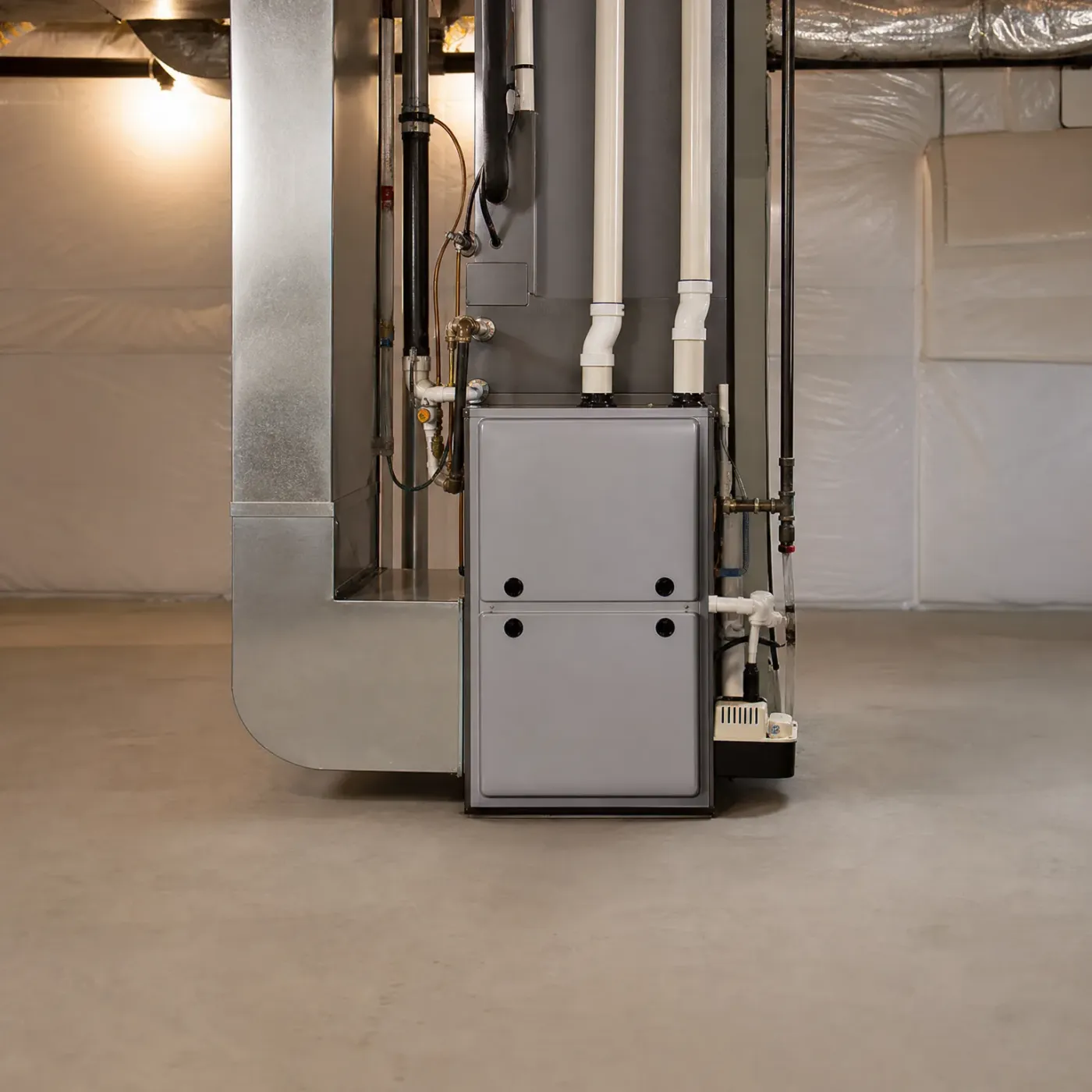
A gray high-efficiency furnace in a basement with white PVC vent pipes, sheet-metal ductwork, copper and black piping, a condensate pump, and insulated walls above a concrete floor.
Most electric furnaces draw 15,000 to 25,000 watts once the heat strips kick in, and a generator sized for that keeps the house warm without a flicker.
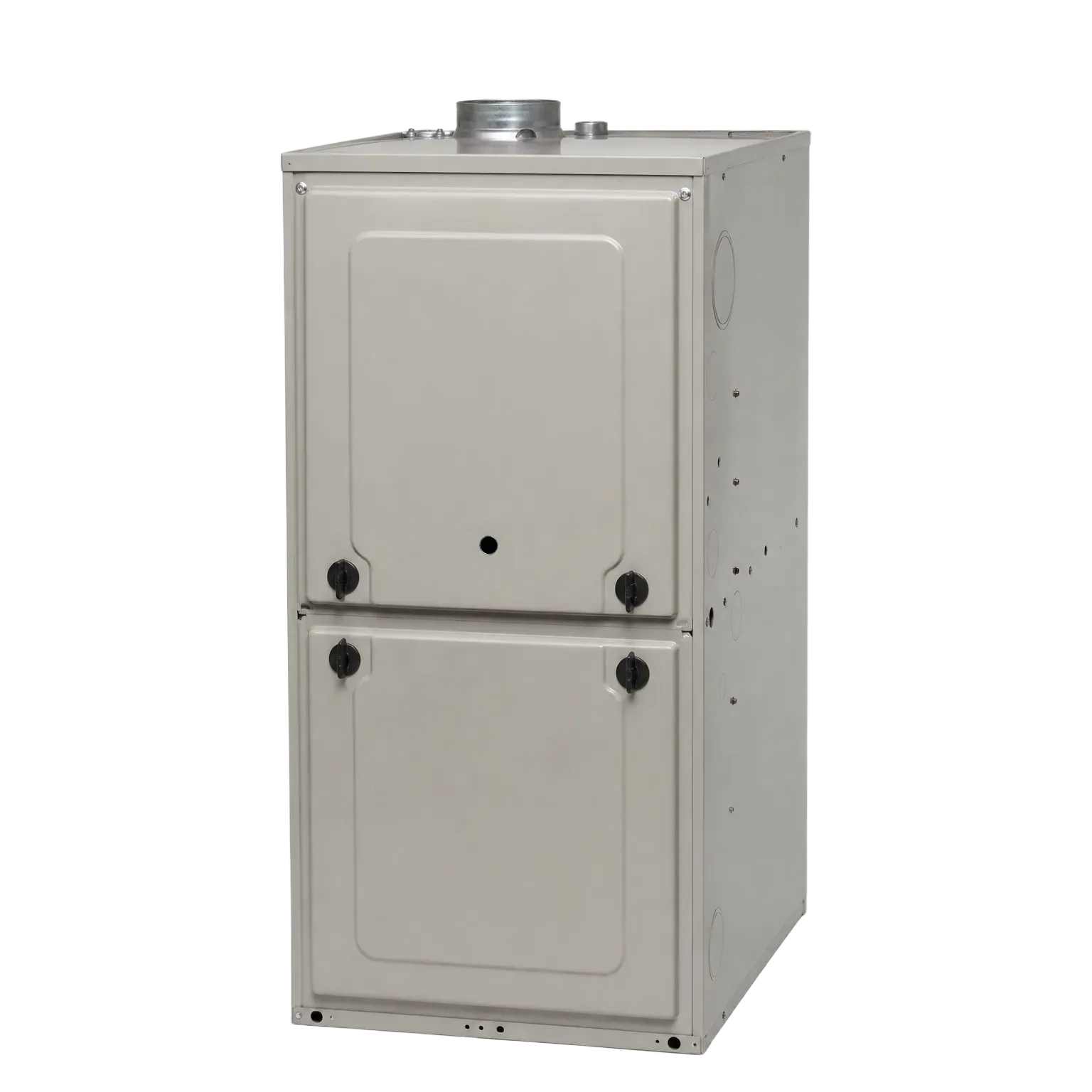
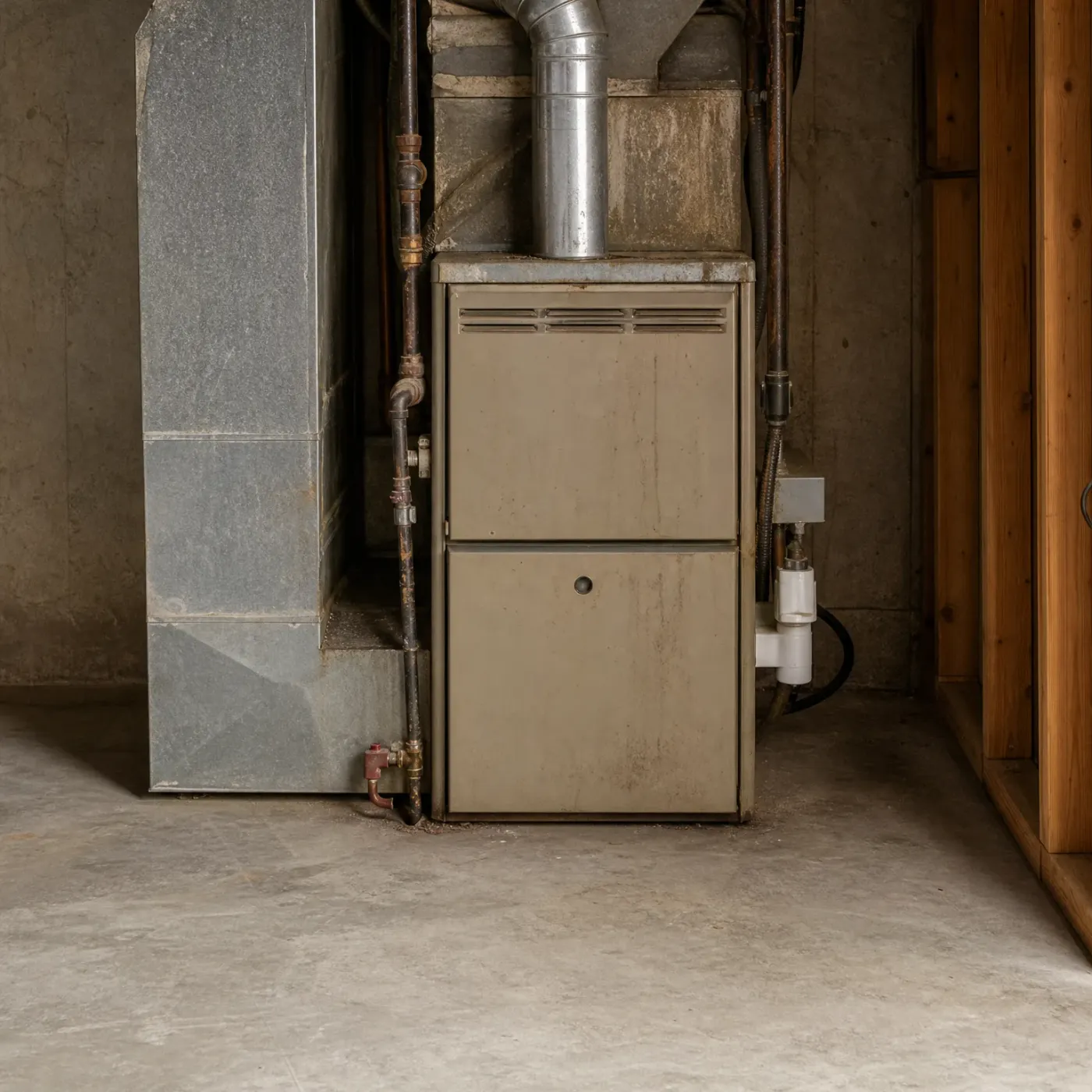
A beige residential furnace stands on a concrete basement floor beside galvanized sheet-metal ductwork, a round flue pipe, copper gas piping, and a PVC condensate line, with a wood-paneled wall at right.
An undersized generator can run the blower fine, then trip or sag the moment the heat strips engage, leaving the house cold anyway.

A furnace that outruns its generator does not fail quietly. The blower spins up, the heat strips try to draw their full load, and the generator either trips its breaker or sags under it, which can show up as dimming lights or a tripped circuit on anything else running at the time. In a two-day outage, that's not a one-time glitch, it's every cycle the thermostat calls for heat. If you've got a well pump, a sump pump, or a refrigerator full of food riding the same generator, an undersized unit forces a choice between keeping the house warm and keeping those running too. Pipes in an unheated section of the house are the other risk, since a furnace that can't get enough power to satisfy the thermostat may run constantly without ever bringing the room up to temperature. None of this shows up until the power is already out and the temperature outside has already dropped, which is the wrong time to find out the generator was sized for lights and outlets but not for a furnace.

Winter nights average 36°F statewide

Nights here average 36°F in December and January, not the hard freezes you'd get further north. That's still cold enough that your heat strips are kicking on most nights, which is exactly the load a generator has to be sized to carry, not just the blower.

NOAA nClimDiv 1991-2020 county normals weighted by homes

A closed laptop and a cream mug of coffee on a coaster sit on a dark wooden table, with a potted plant at left and a kitchen counter, tiled backsplash and shelf of ceramics in the background.

How a generator actually picks up the load

When the power drops, a transfer switch moves your house off the grid and onto the generator in seconds. The furnace doesn't know the difference, so it starts up the same way it always does: blower first, then the heat strips stage in behind it, usually in two or three steps rather than all at once. A generator sized right for your furnace rides through each of those steps without the engine bogging down. That staging is also why two furnaces with the same total wattage can behave differently on the same generator, depending on how the strips are wired to come on.

This is the kind of detail that's hard to get right from a spec sheet alone, which is where a local contractor earns their keep. Instead of pulling permits, researching generator brands, and calling around to find someone who'll actually size the unit to your furnace instead of a rule of thumb, you get matched with one licensed installer in South Carolina who sizes systems like this all season and knows how your furnace's heat strips stage in.

A gray upholstered sofa with a textured cushion sits beside a dark round side table holding a vase of green foliage, with a table lamp and sheer-curtained window behind.
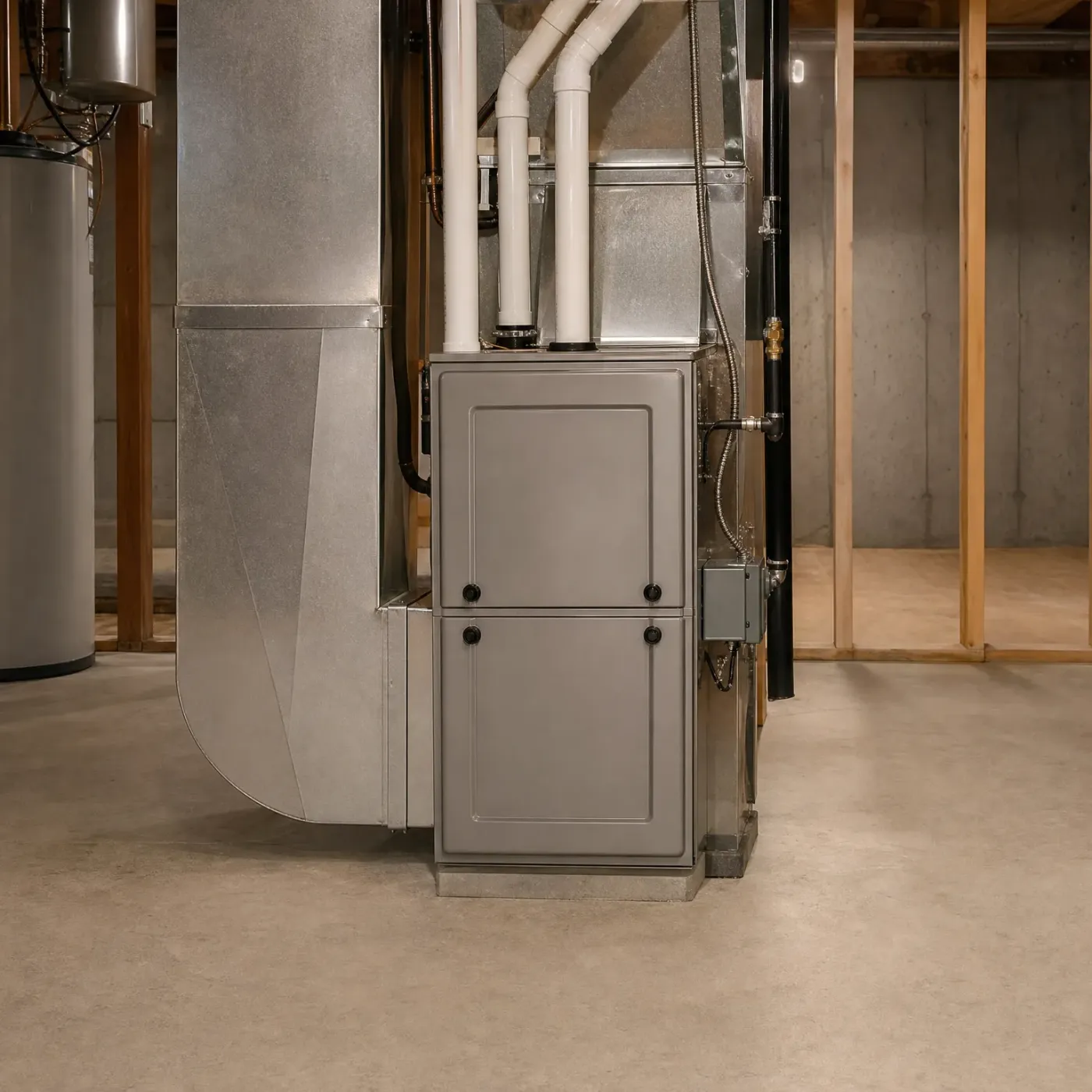
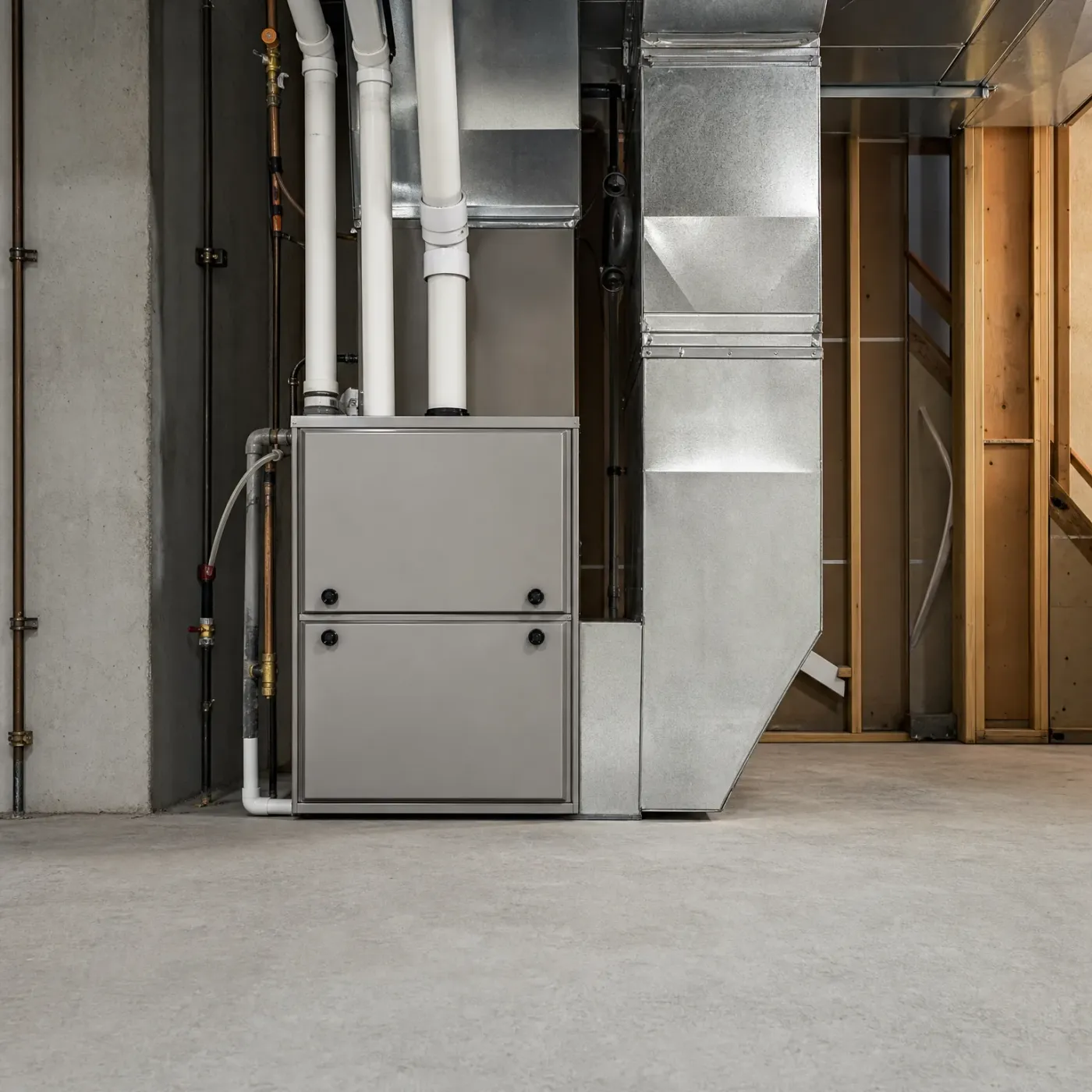
A gray high-efficiency furnace stands on a concrete basement floor beside galvanized sheet-metal ductwork, white PVC vent pipes, copper and black piping, and unfinished wood stud framing.

Furnace running as it should

This is what a properly sized generator keeps going: the blower moving air through the ductwork, the heat strips drawing full power, the gas and condensate lines doing their job without a hitch. Nothing here trips or sags.
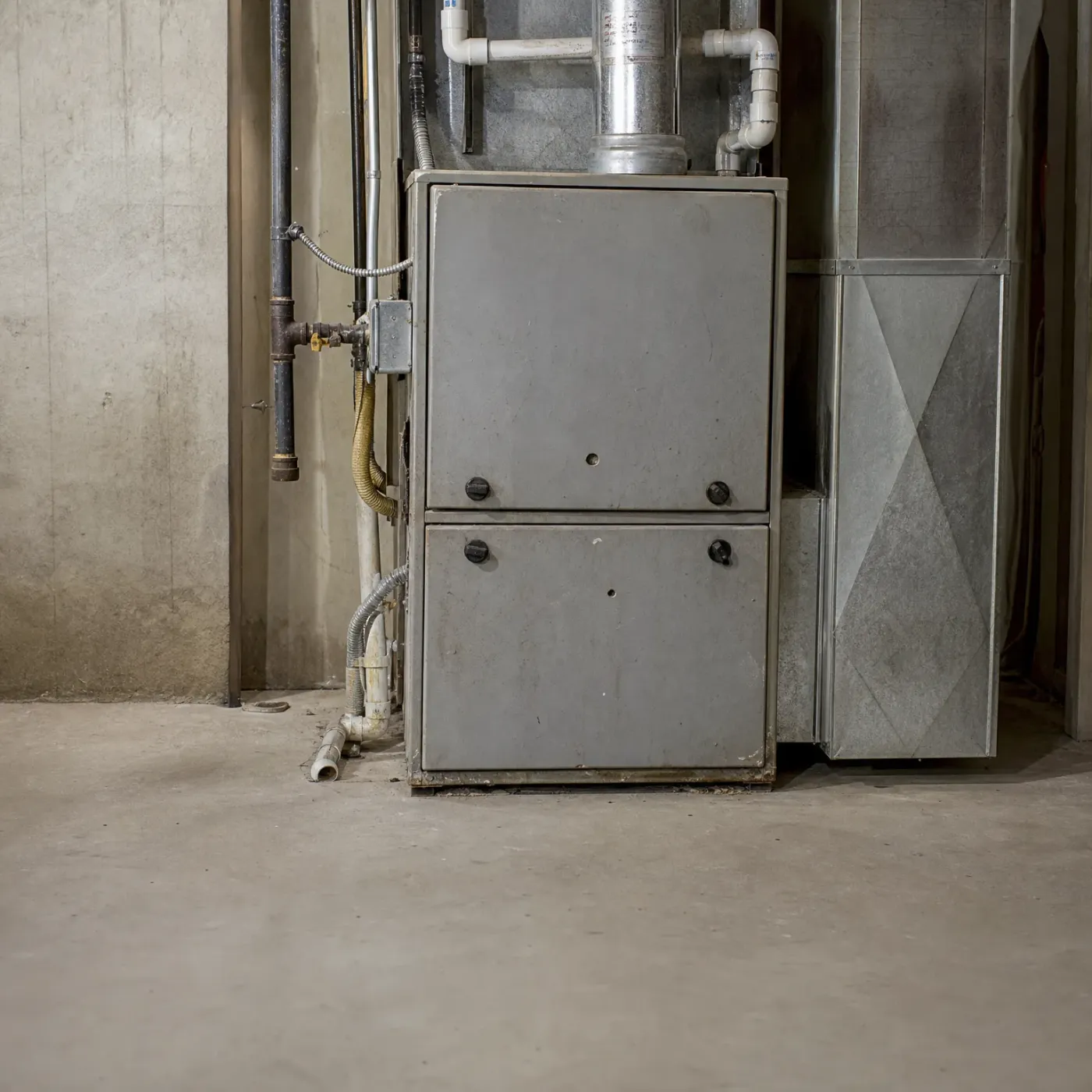
A gray furnace with two access panels stands on a concrete basement floor beside sheet-metal ductwork, with pipes, flexible conduit and an electrical box on the concrete wall to the left.

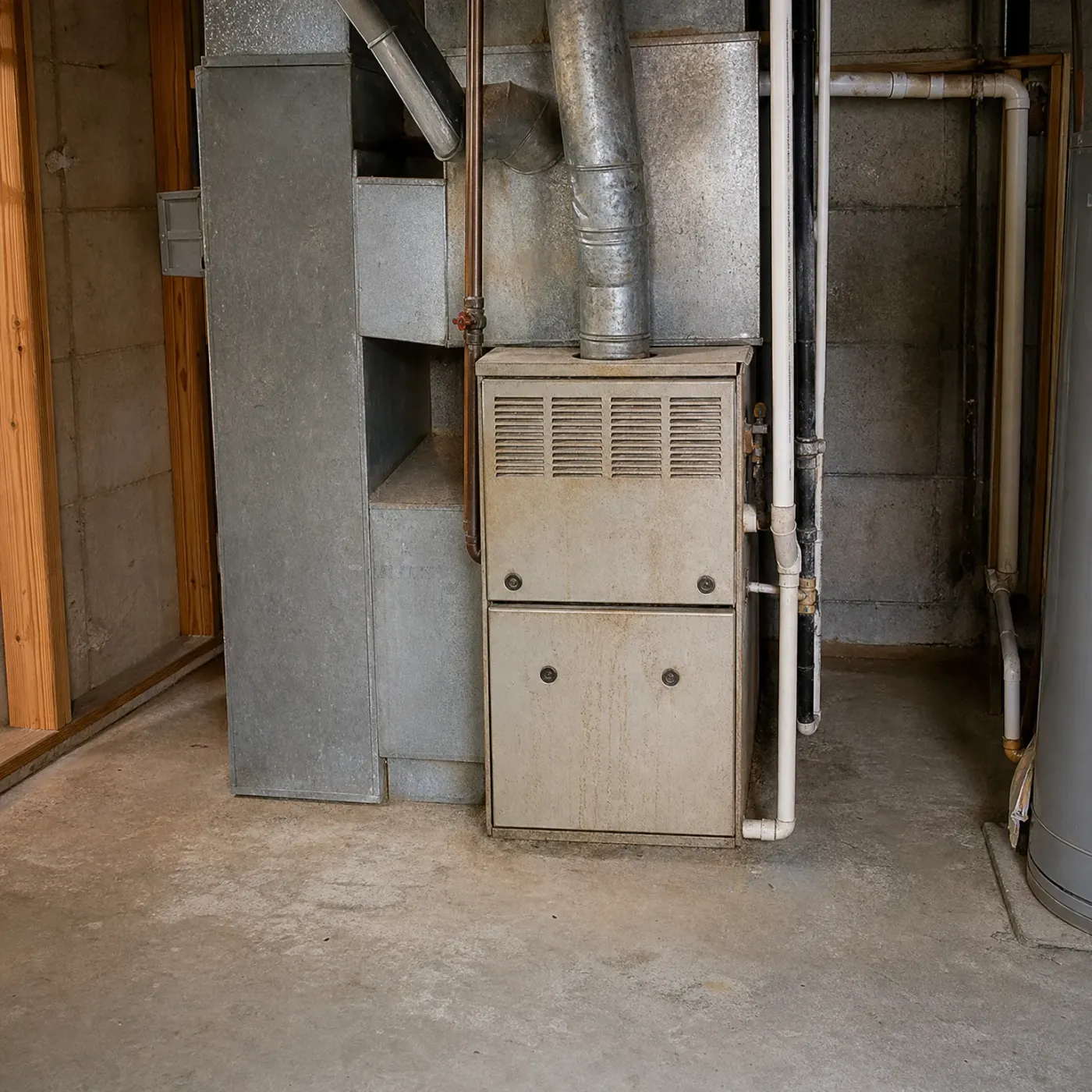
Furnace starved for power

An undersized generator can get the blower spinning, but when the heat strips call for their full load, something gives. The access panels and the wiring behind them are fine. It's the power feeding the unit that falls short.

A beige gas furnace with a metal flue pipe stands in a basement against concrete block walls, beside sheet-metal ductwork, copper and white plastic pipes, and a water heater at right.
Before you get your furnace installation
A gray high-efficiency furnace with white PVC vent pipes stands beside sheet-metal ductwork and a water heater in an unfinished basement with concrete walls and wood framing.
After you get your furnace installation

Skip calling around

Your request goes to one pro, not a list of companies.

It costs nothing to send, and you don't have to hire anyone.

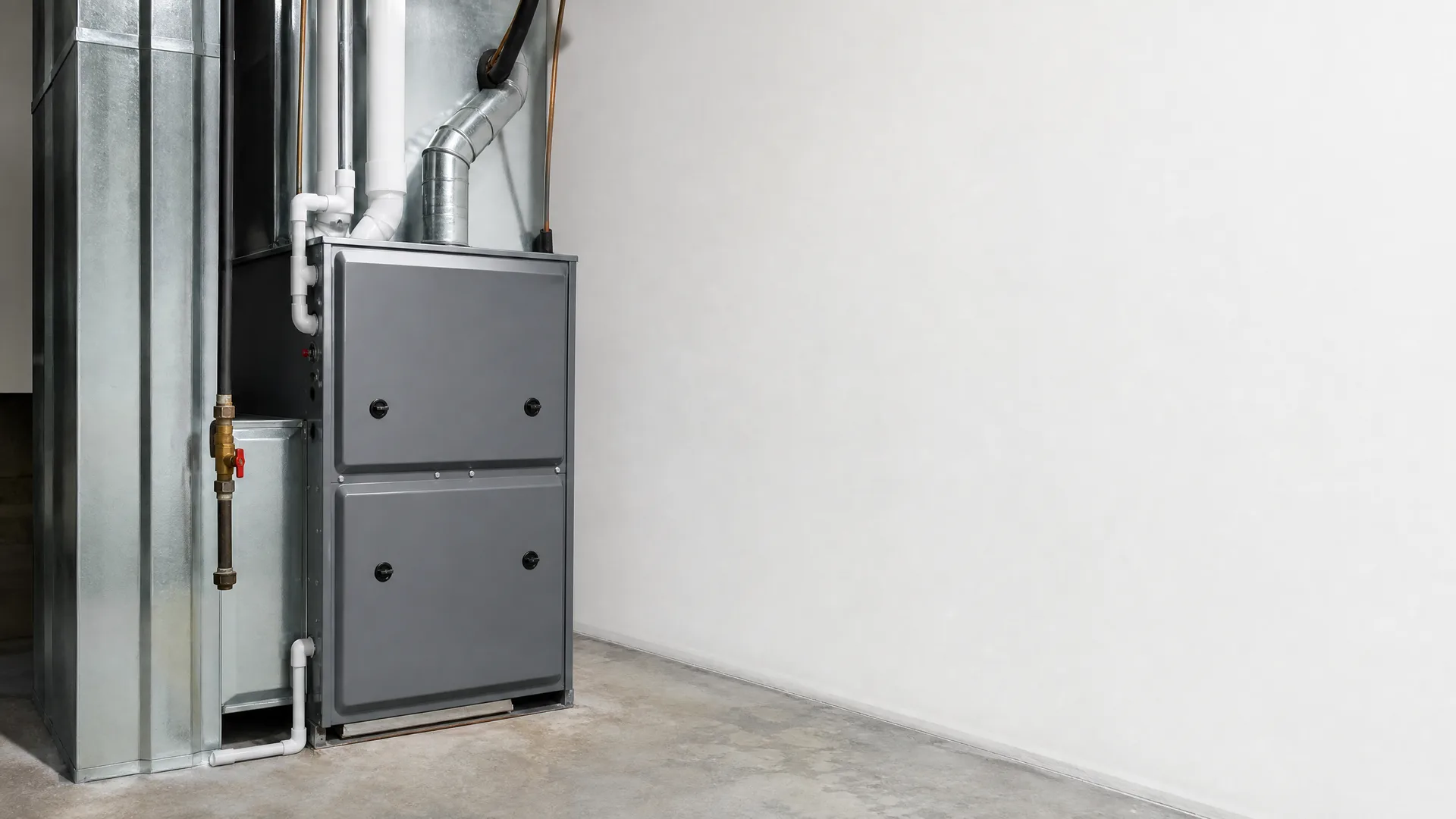
A gray residential furnace with two panel doors stands against a plain light wall in a concrete-floored room, connected to metal ductwork and white and copper pipes.

Why starting load matters most

A furnace draws its highest load for only a moment, when the heat strips first engage. A generator rated for that peak has to carry it, even briefly, or it trips. Once the strips settle in and draw their steady current, the load on the generator actually drops back some. Sizing only for that steady draw misses the point, since the jolt at startup is what decides whether the generator holds or cuts out.

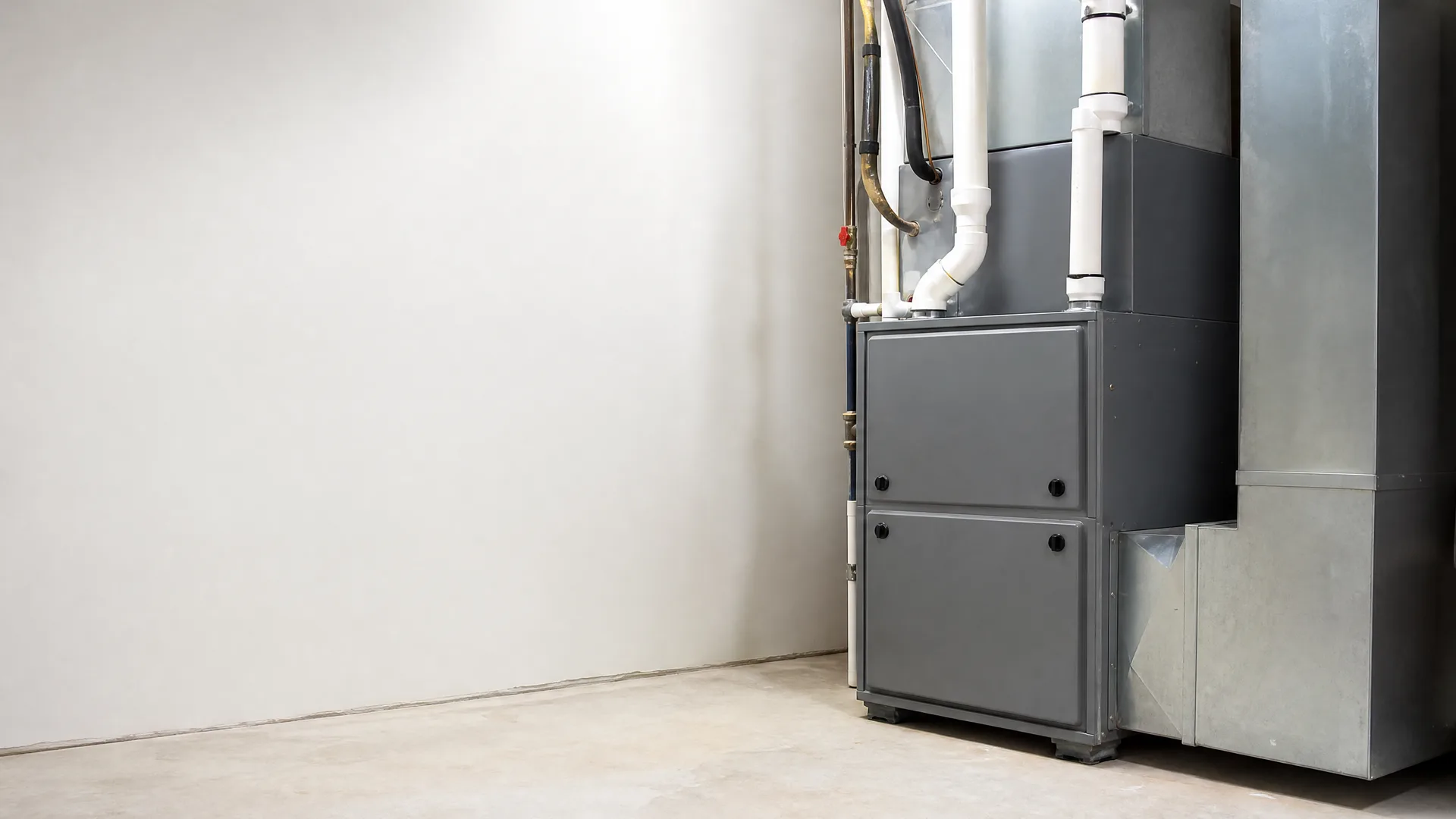
A gray high-efficiency furnace with white PVC venting pipes stands against a plain wall in a basement, connected to sheet-metal ductwork on a concrete floor.

What a gas furnace changes

A gas furnace draws far less than an electric one, since it's burning fuel for heat and only using electricity to run the blower, the igniter and the control board. That load usually falls under 3,000 watts. If your home heats with gas instead of electric strips, the generator math looks very different, and a unit too small for an electric furnace may be more than enough for a gas one.

Why does the house feel colder than the thermostat says

When a generator can't fully carry the furnace, you'll notice it room by room before anything trips. The air coming out of the vents feels cooler than it should, because the heat strips are cycling on and off instead of holding steady. Lights dim for a second when the blower kicks on. Somewhere in the house, a breaker you didn't touch is suddenly off. None of this means the furnace is broken. It means the generator is being asked to carry more than it can, and every time that happens, it's working harder than it should to keep the house at the temperature you set. Left alone through a multi-day outage, that strain is on the generator, not just the thermostat.

A smiling bearded man in a navy sweater sits at a candlelit dinner table with a glass of red wine, a bowl of salad, and plates of food in the foreground.
A woman with dark hair in a bun reclines on a sofa with her eyes closed, wrapped in a cream fleece blanket, a closed blue hardcover book resting in front of her, with a lit lamp and a vase of dried flowers in the background.

The right generator size, confirmed

  • A generator sized for the heat strips' full draw, not just the blower, keeps an electric furnace running through a South Carolina winter outage.
  • Nights in the 30s mean the heat strips are cycling most of the night, so the generator has to carry that load repeatedly, not once.
  • A contractor who installs generators in your area has likely sized one for this exact furnace setup before and knows where homeowners usually guess wrong.
  • Getting matched with one local, licensed installer means one conversation about your furnace and your panel, not a round of calls to sort through.
  • The number that matters is the one that covers the moment the heat strips engage, and that's what an installer confirms before anything is installed.
  • Once that number is right, the furnace runs the way it always has, with nothing to trip and nothing to feel colder than the thermostat says.

The number you came here for is the one that covers your furnace's heat strips at full draw, not just the blower humming along. That's the load that trips an undersized generator, and it's the load that matters on a December night when it's 36 degrees and the strips are cycling on and off for hours. Get that number right and there's nothing left to guess at.

Confirming it for your specific furnace and panel is a different job than looking up a general range. A furnace installer who works in South Carolina has sized generators for electric furnaces like yours before, in homes with the same winter pattern you deal with, and knows which part of the setup homeowners usually get wrong. That's not something you need to explain from scratch. You describe your furnace and your panel once, to one licensed installer local to you, and that's the whole conversation. No second call to a different company to repeat yourself, no stack of quotes to compare against each other line by line.

Once the generator is sized to carry the heat strips' peak draw, the furnace runs the way it's supposed to. The blower moves air, the strips engage, nothing dims and nothing trips. The thermostat reading and the air coming out of the vents match. That's the whole outcome: a number confirmed once, by someone who installs these for a living, and a furnace that doesn't know the power ever went out.

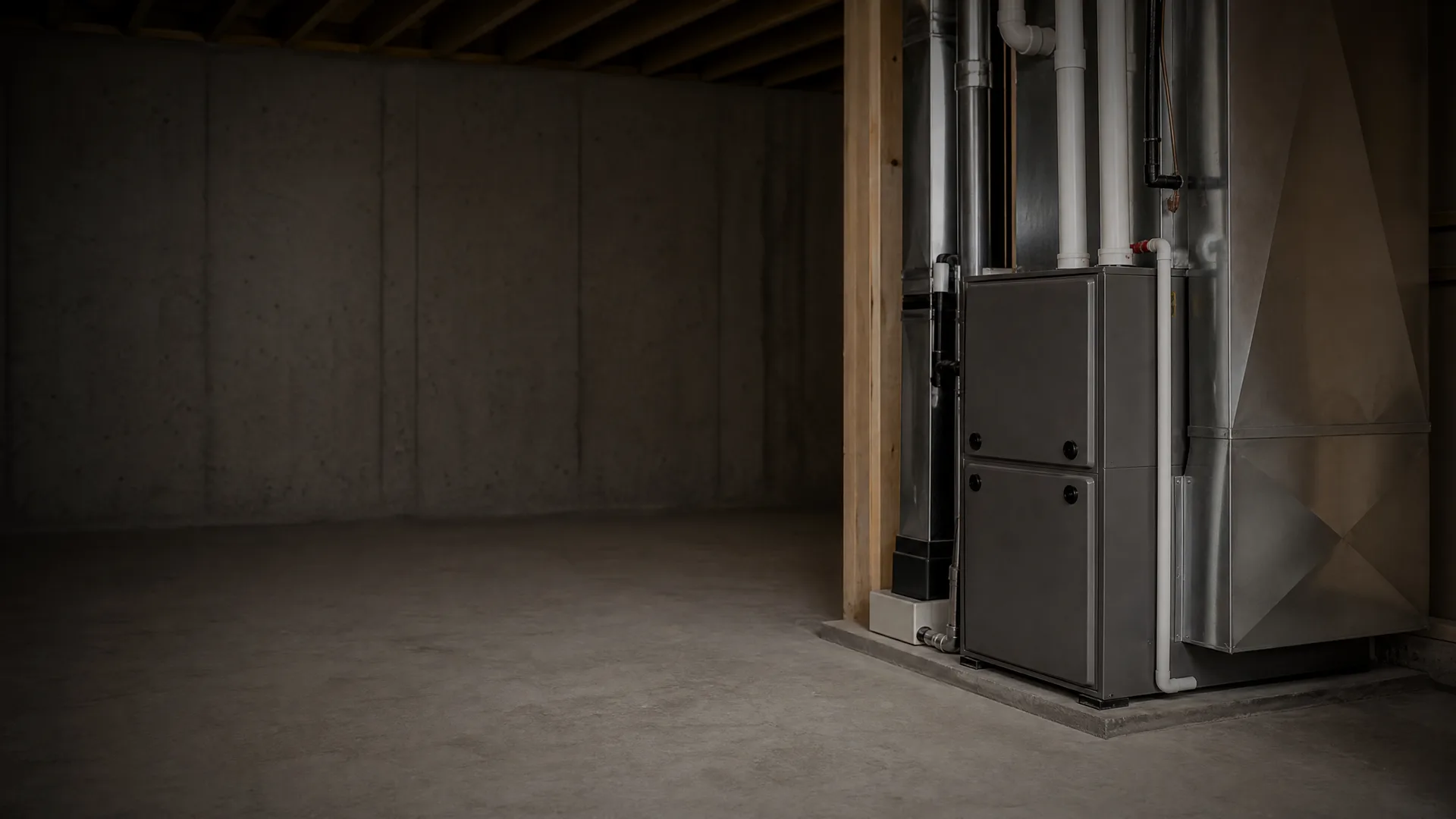
A gas furnace with attached PVC and metal piping and sheet-metal ductwork stands on a concrete pad in a dim unfinished basement with concrete walls and exposed floor joists.

Describe it once

One installer gets your project, so there's no bidding war over it.

Step 1 of 3: Equipment