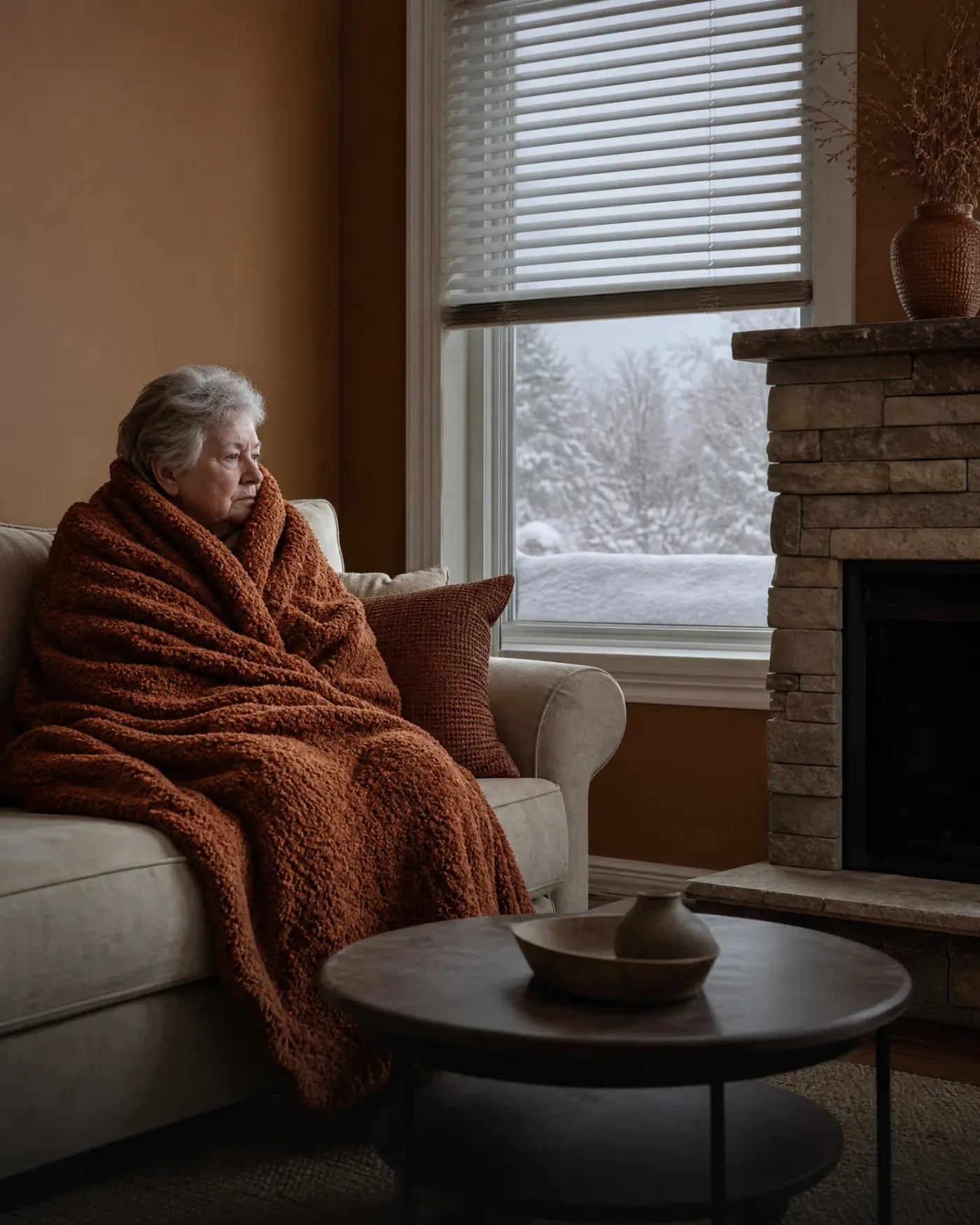
How to restart a furnace after a South Carolina power outage
After the power comes back on, most furnaces in South Carolina homes start up on their own within a few minutes. The thermostat has to be calling for heat, so check that it's set a few degrees above room temperature first. If nothing happens, go to the breaker panel and look for the one marked for the furnace or air handler. A power outage can trip it even after the lights are back on, and resetting it is often enough to bring the system back. If the breaker is fine and the furnace still won't start, check that the switch near the unit, it looks like a light switch, hasn't been bumped off. Some furnaces also have a reset button on the control board itself. If you've checked the thermostat, the breaker and the switch and the furnace still sits quiet, something inside didn't survive the outage cleanly, and that's a job for someone who can open the unit and test it.
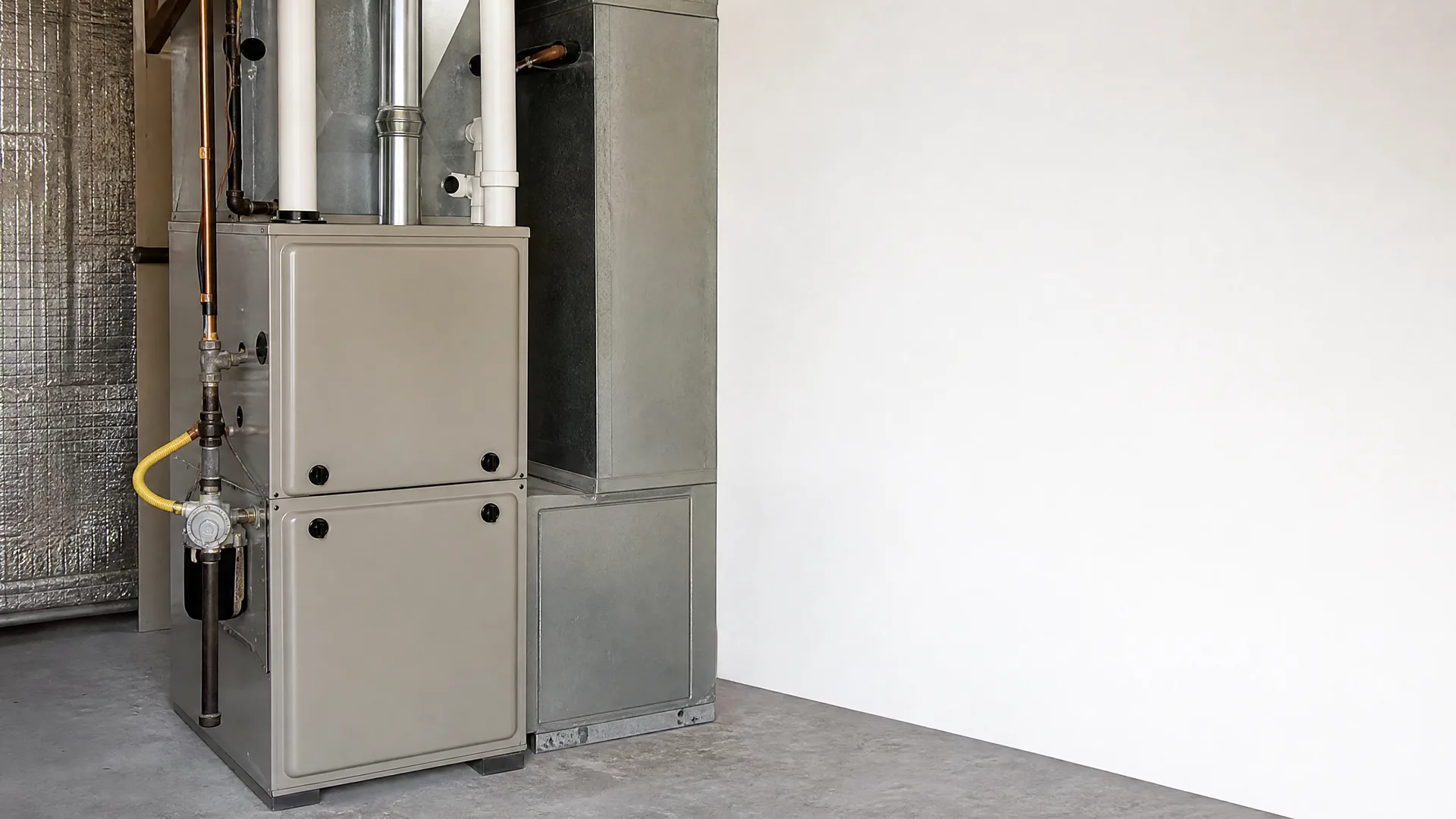
Why the breaker trips first
Most homes here heat with electricity, so the air handler and the heat strips draw a fair amount of current the moment power returns. A breaker that trips once during the outage, or again right after you reset it, is usually telling you the system is pulling more than it should. That can mean a stuck blower motor or a short somewhere in the heat strip circuit, not just a fluke from the outage itself.
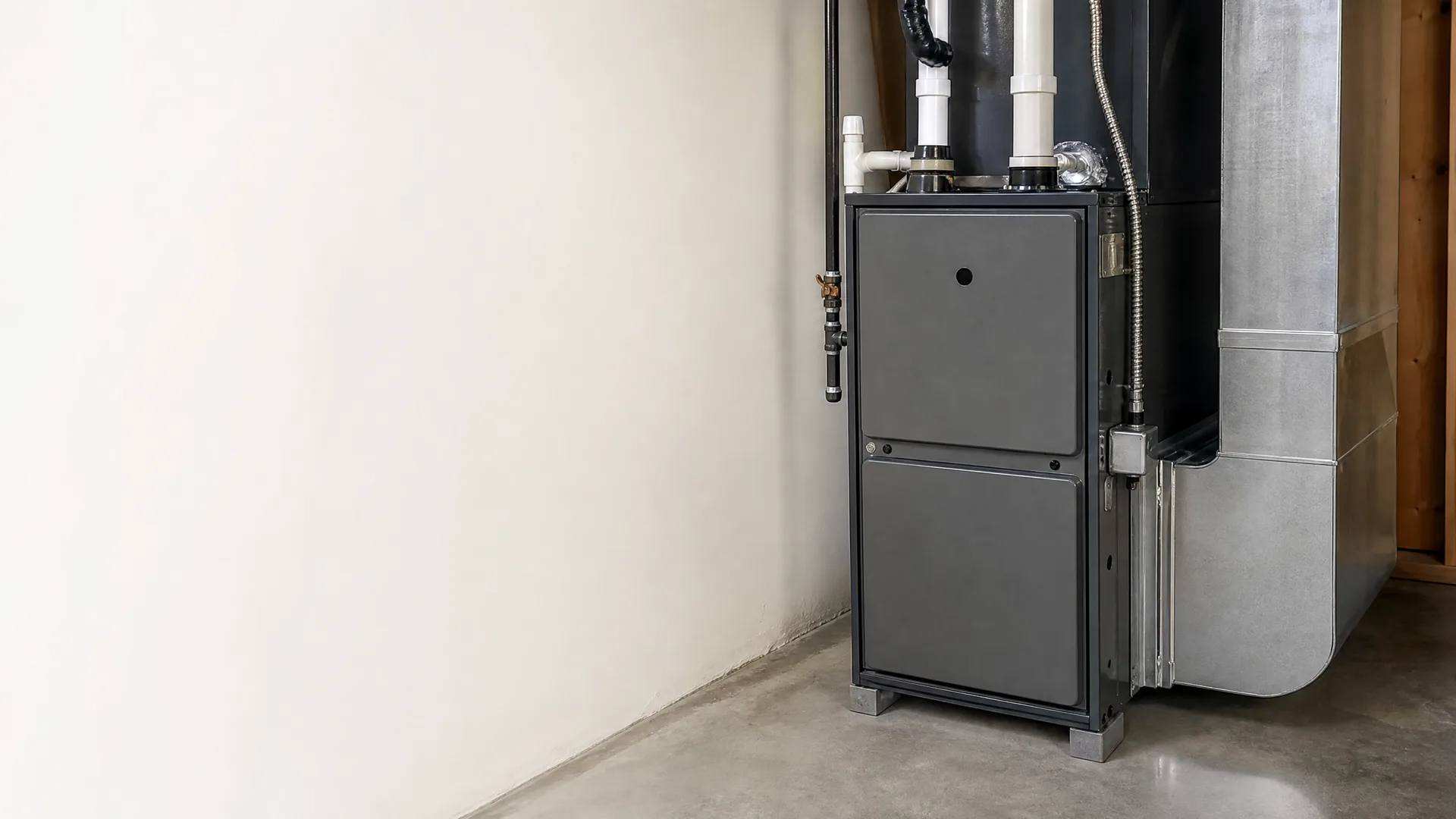
What a qualified tech checks
A furnace that won't restart after an outage usually comes down to a handful of parts: the control board, the limit switch, or the igniter if your system has a gas backup. Someone who works on these systems every winter in South Carolina knows which of those fails most often after a surge, and can test them in order instead of guessing. That's the difference between a quick diagnosis and swapping parts until one works.
Reset It or Have It Checked
Reset it yourself
- Flipping the breaker back on works if it only tripped once and holds steady after the reset.
- You save the wait if the thermostat just needed a minute to reconnect and call for heat again.
- This only gets you back to where you were before the outage, it doesn't tell you why the power went out or what the surge did on the way through.
- If the breaker trips a second time, resetting it again just repeats the strain on the same wiring without fixing anything.
- You won't know if the heat strips or the control board took damage from the surge until something fails again, maybe on a colder night.
Have it checked
- A local contractor who works on these systems all winter knows what a surge typically hits first in an electric furnace.
- One call gets you one licensed contractor out to look at it, instead of you sorting through several companies and repeating the problem to each.
- Someone who services this equipment regularly can tell a tripped breaker apart from a damaged heat strip or a fried control board before it strands you again.
- You skip the back and forth of searching, calling around, and comparing quotes from contractors you don't know.
- If the surge damaged a part that hasn't failed outright yet, a contractor who sees this after outages knows where to look.
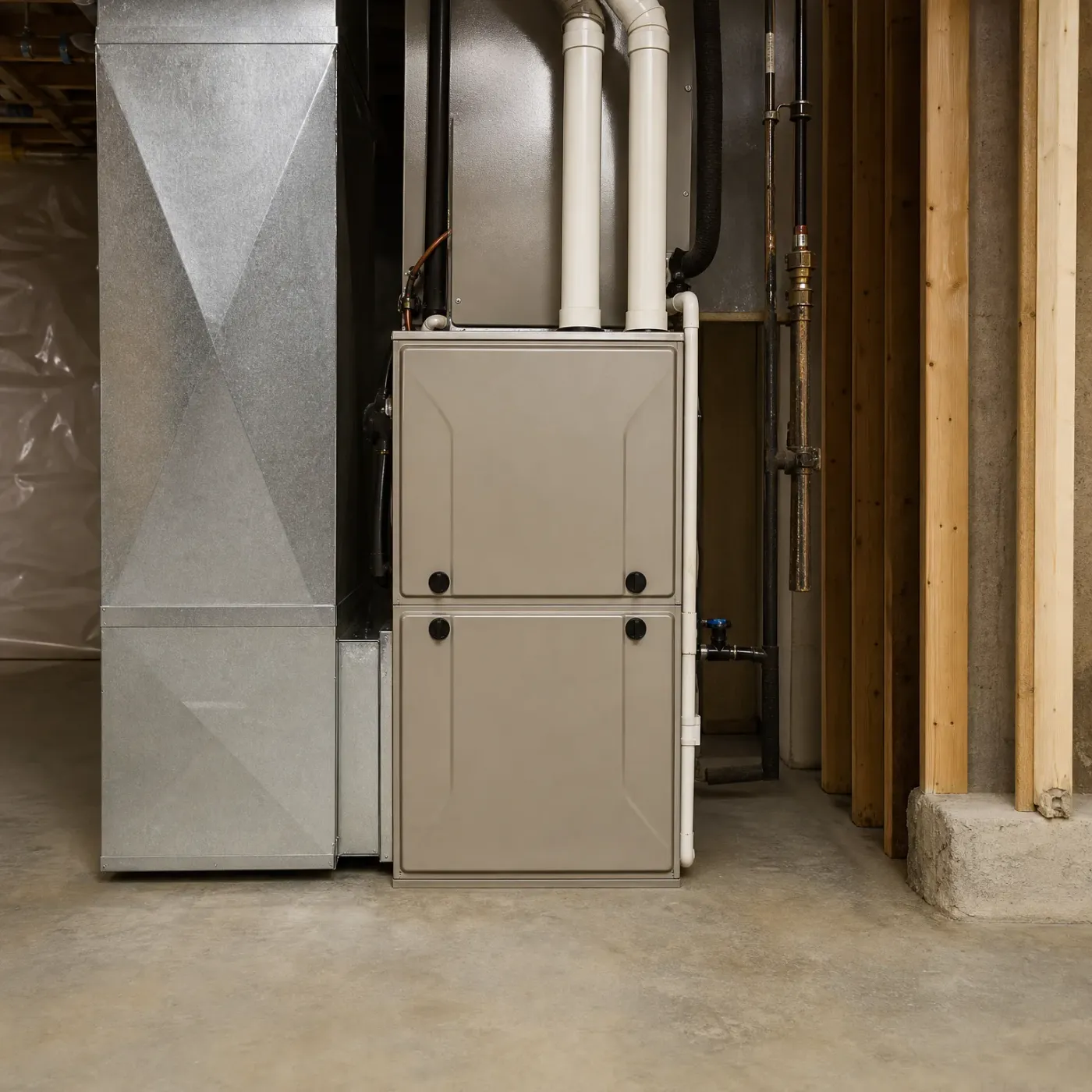
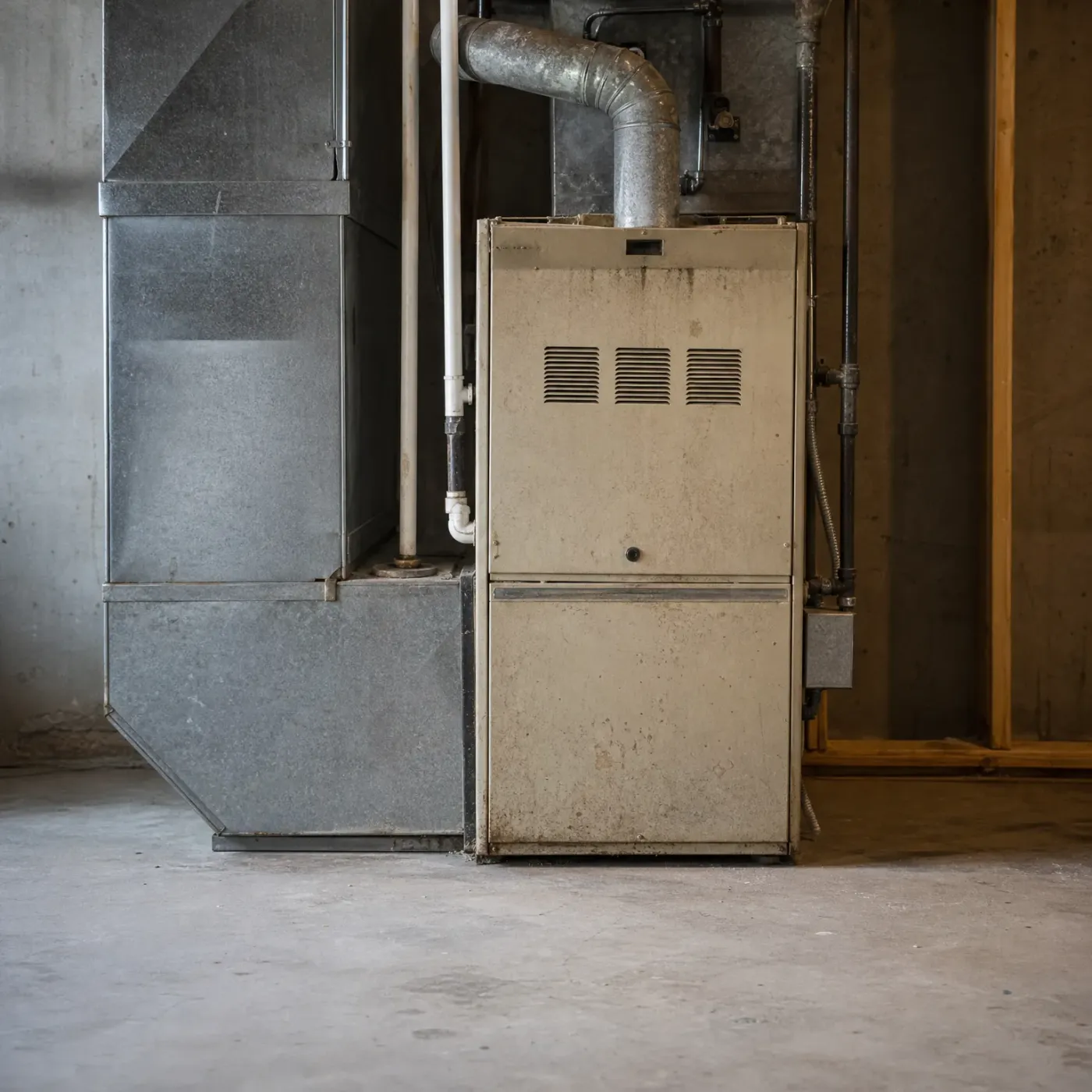
Why won't my furnace come back on after the outage
You flip the breaker back and it holds, but the air handler stays quiet, or it runs for a minute and shuts off. Maybe you hear a click at the thermostat and nothing follows. Maybe the blower runs but the air never warms up, so the house keeps losing ground while you wait. If the breaker trips again as soon as you reset it, something downstream is drawing more current than it should, and leaving it on a tripped breaker risks more than a furnace that won't heat. With South Carolina winters, a house that can't get its heat back for more than a day or two gets uncomfortable fast, especially for anyone in the home who's older or sick.




No phone calls to make
If the breaker won't hold, or the air handler runs but no heat follows, you're past what a reset can fix. That's a job for someone who can get into the control board or the heat strips and find the part that didn't survive the outage. Finding that person usually means searching, calling a few numbers, explaining the same thing three times, then sitting on quotes trying to guess who actually knows electric furnaces. A contractor local to South Carolina who works on these systems every winter has likely seen this exact failure after an outage, on this same kind of equipment, and knows where to look first. Send the request once and it goes to one contractor, not a handful of companies working the same lead. With the house already cold, that's less back and forth standing between you and someone showing up to look at it.
How electric heat strips actually start
- Electric furnaces bring on heat strips in stages, not all at once, so the air takes a minute to feel warm.
- A sequencer or time-delay relay controls that staging, and it has to see steady power before it lets strips energize.
- The blower motor usually starts first, pulling air across the strips before they heat up to avoid overheating them.
- A control board inside the air handler has to complete its own power-up check before it tells the strips to fire.
- If the board loses that check partway through a surge, it can lock out and need a full power cycle to reset.
- Heat strips pull enough current that a weak connection or loose lug can keep them from latching in after an outage.
An electric furnace doesn't just throw all its heat on at once. Inside the air handler, a control board runs a power-up check first, making sure the incoming power is steady before it lets anything downstream energize. Once that check passes, the blower motor kicks on and starts moving air across the heat strips. That happens before the strips get hot, because running them dry, with no air pulling heat away, would damage them. The strips themselves come on in stages, not all together, through a sequencer or time-delay relay that brings one on, waits, then brings on the next. That staging is why the air from the vents feels cool for the first minute or so and then slowly warms up rather than blasting hot right away.
This matters after an outage because a power surge or a rough restart can interrupt that sequence partway through. If the control board doesn't complete its check cleanly, it can lock itself out rather than risk energizing strips out of order. The fix for that is a full power cycle, not just waiting it out. Heat strips also draw a fair amount of current when they latch in, enough that a loose wire lug or a weak connection at the strip terminal can keep them from pulling in at all, even when the board and sequencer are working fine. That's a wiring issue, not a settings issue, and it won't show up until the strips actually try to draw power.
Winter nights average 36°F statewide
36°F is the kind of night where your furnace is running most of the time it's dark out, not just kicking on now and then. That's why an outage in the middle of the night leaves a house cold fast, and why getting it back on matters right away.
NOAA nClimDiv 1991-2020 county normals weighted by homes


Where that leaves you
Most of the time, the furnace comes back on its own once power is restored and the thermostat is calling for heat. If the breaker won't hold, or the blower runs but no warm air follows, that's past a reset. Something inside didn't survive the outage, whether it's the sequencer, a heat strip, or the control board, and that needs someone who can open the panel and test it.
If it comes to that, you don't have to spend the evening calling around and explaining the same thing to three different companies before you can compare what they quote you. One licensed contractor working near you gets the call, someone who works on electric furnaces all winter and has seen what an outage does to a sequencer or a heat strip before. You explain it once, to the person who's actually coming.




One form, no calling around
Your request goes to one pro, not a list of companies.
No fee to send it, and nothing to sign.