Tell us about the job
Takes about a minute. No obligation.
A furnace repair in Clarendon County starts with the parts that cycle hardest: the burner, the heat exchanger, and the ignition system. Homes in Clarendon County, SC run heat about five months a year, from November through March. Those components fire up at the start of every cold spell and shut down when warmth returns, and that repeated cycling is where fatigue shows up first. A contractor checking a furnace here opens the cabinet expecting to find wear concentrated in the combustion side, and that is usually where the fault lives.
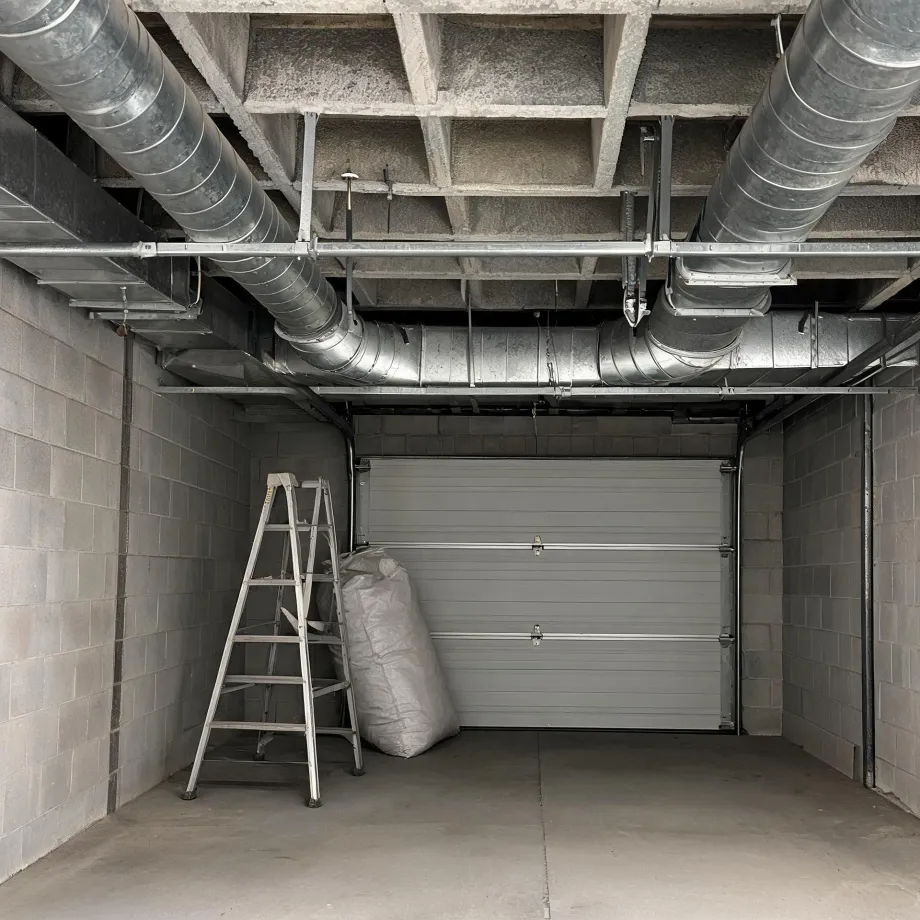
Furnaces in aging housing stock run on older equipment, and once a contractor opens a unit, what decides the repair scope is whether the parts that system takes are still manufactured. Half the homes in Clarendon County, South Carolina were built in 1990 or earlier (2020-2024 ACS 5-year). That means a contractor pulling a heat exchanger or a control board here has to verify availability before quoting, because sourcing a discontinued component adds time and changes the bill. A furnace that runs but runs poorly is sometimes waiting on a part that no longer ships from the original manufacturer at all.
The Parts of a Furnace a Contractor Checks First
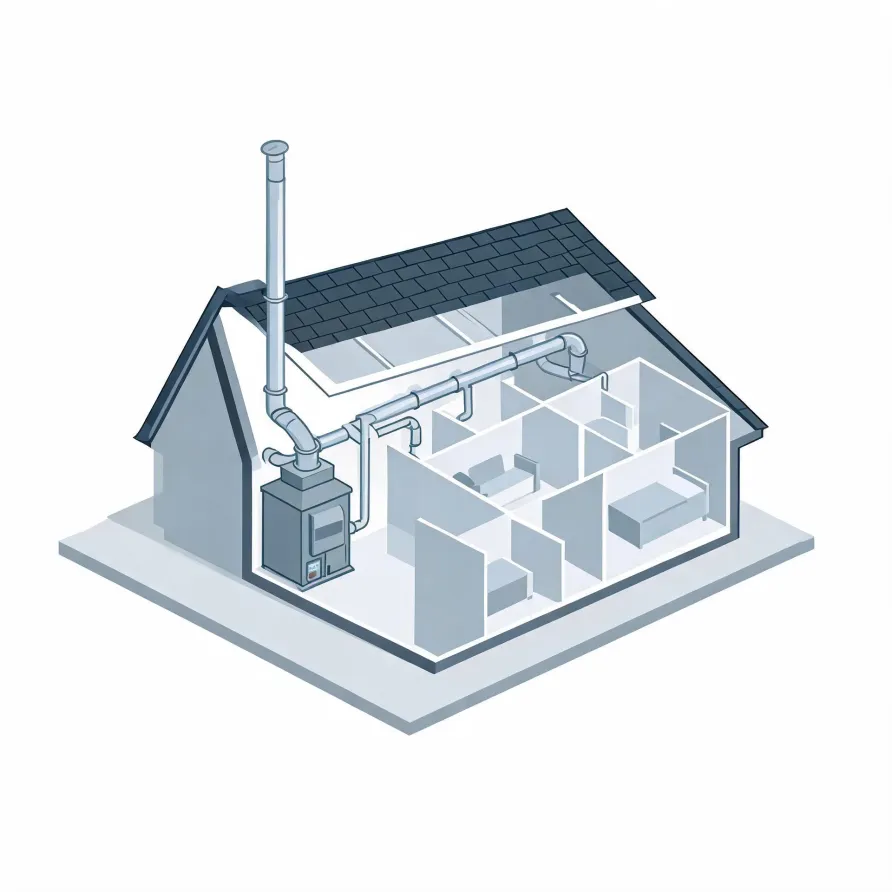
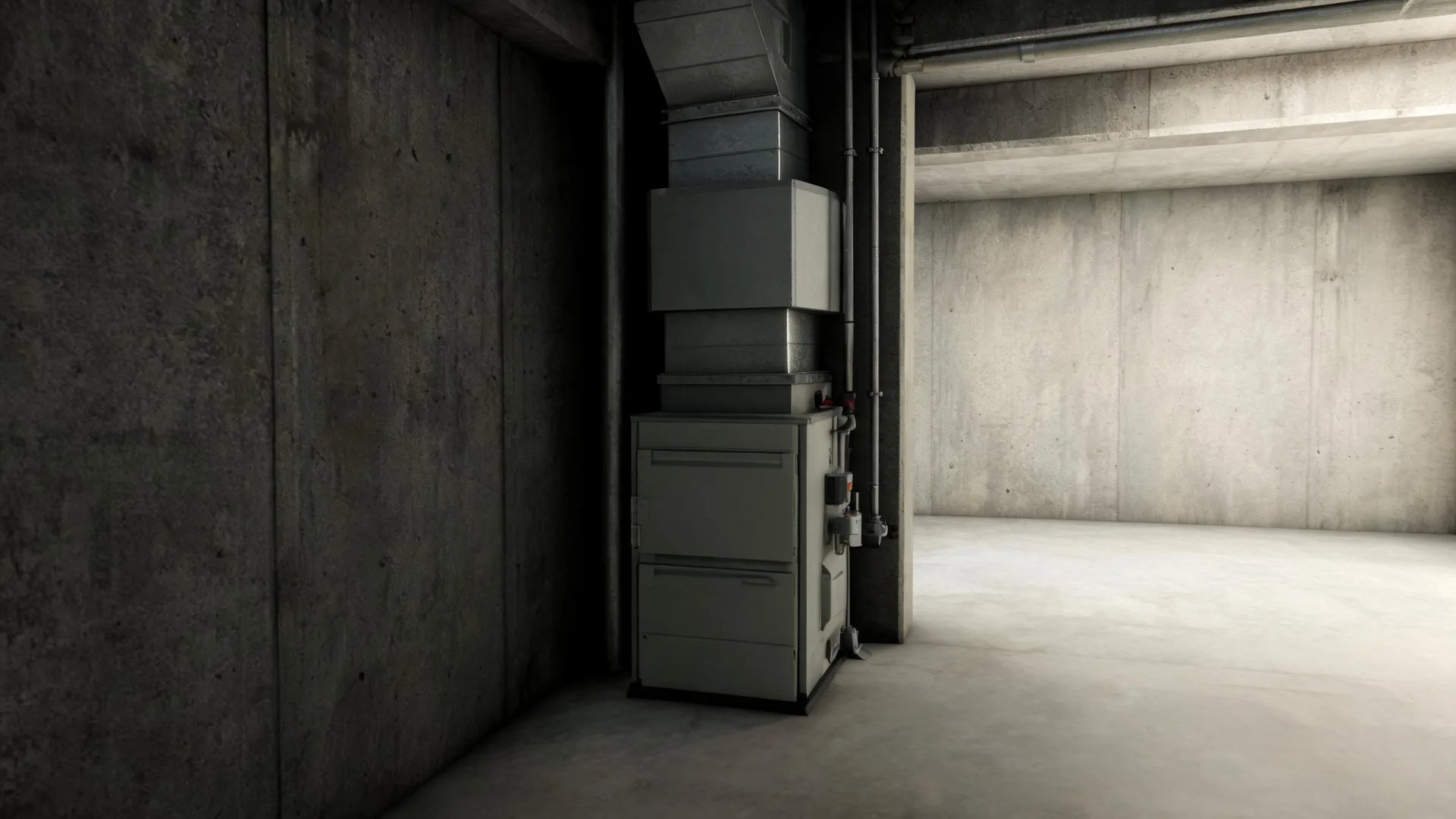
The furnace itself sits in a basement, utility closet, or mechanical room and is the piece a contractor goes to first. Inside it, the heat exchanger is the part most worth understanding: it separates combustion gases from the air your home breathes, and a crack there is one of the more serious findings a repair visit turns up. The burners, which sit just below it, are where the flame actually starts.
The blower motor sits at the base of the furnace cabinet and pushes conditioned air out through the ducts. Near it, the inducer motor and the flue pipe handle exhaust, pulling combustion gases out of the heat exchanger and venting them outside. The control board ties these parts together, and a fault in it can make a healthy furnace behave as if several things are broken at once.
The drawing shows a typical furnace layout, and a licensed contractor determines which components apply to the specific system and installation in your home.
Get matched in Clarendon CountyClarendon County, by the numbers
121 severe weather events were recorded in Clarendon County, South Carolina between 2015 and 2024.
NOAA National Centers for Environmental Information, Storm Events Database, bulk CSV export, events 2015-01-01 through 2024-12-31.Half the homes in Clarendon County, South Carolina were built in 1990 or earlier (2020-2024 ACS 5-year).
U.S. Census Bureau, 2020-2024 American Community Survey 5-Year EstimatesClarendon County, South Carolina holds 16,089 housing units (2020-2024 ACS 5-year).
U.S. Census Bureau, 2020-2024 American Community Survey 5-Year EstimatesOwners occupy 72.9% of the occupied homes in Clarendon County, South Carolina (2020-2024 ACS 5-year).
U.S. Census Bureau, 2020-2024 American Community Survey 5-Year EstimatesCodes & Standards Covering Furnace Repair in Clarendon County, South Carolina5 sourced rules and standards
What happens when the contractor shows up
Non-weatherized gas furnaces manufactured on or after November 19, 2015 must reach 80.0 percent AFUE.
Non-weatherized oil-fired furnaces manufactured on or after November 19, 2015 must reach 83.0 percent AFUE.
Mobile home gas furnaces manufactured on or after November 19, 2015 must reach 80.0 percent AFUE.
Non-weatherized gas furnaces manufactured on or after December 18, 2028 must reach 95.0 percent AFUE, up from the 80.0 percent minimum that applies to units manufactured before that date.
What Clarendon County, South Carolina Requires for HVAC Repair Work
South Carolina requires a mechanical contractor license for contracting work whose total cost of construction is greater than ten thousand dollars.
Severe Weather Events in Clarendon County
Weather extremes put real hours on a furnace, and those hours add up differently depending on where the equipment runs. Repair needs in Clarendon County reflect what the local climate actually demands from the system.
121 severe weather events, 2015–2024. Source: NOAA National Centers for Environmental Information, Storm Events Database.