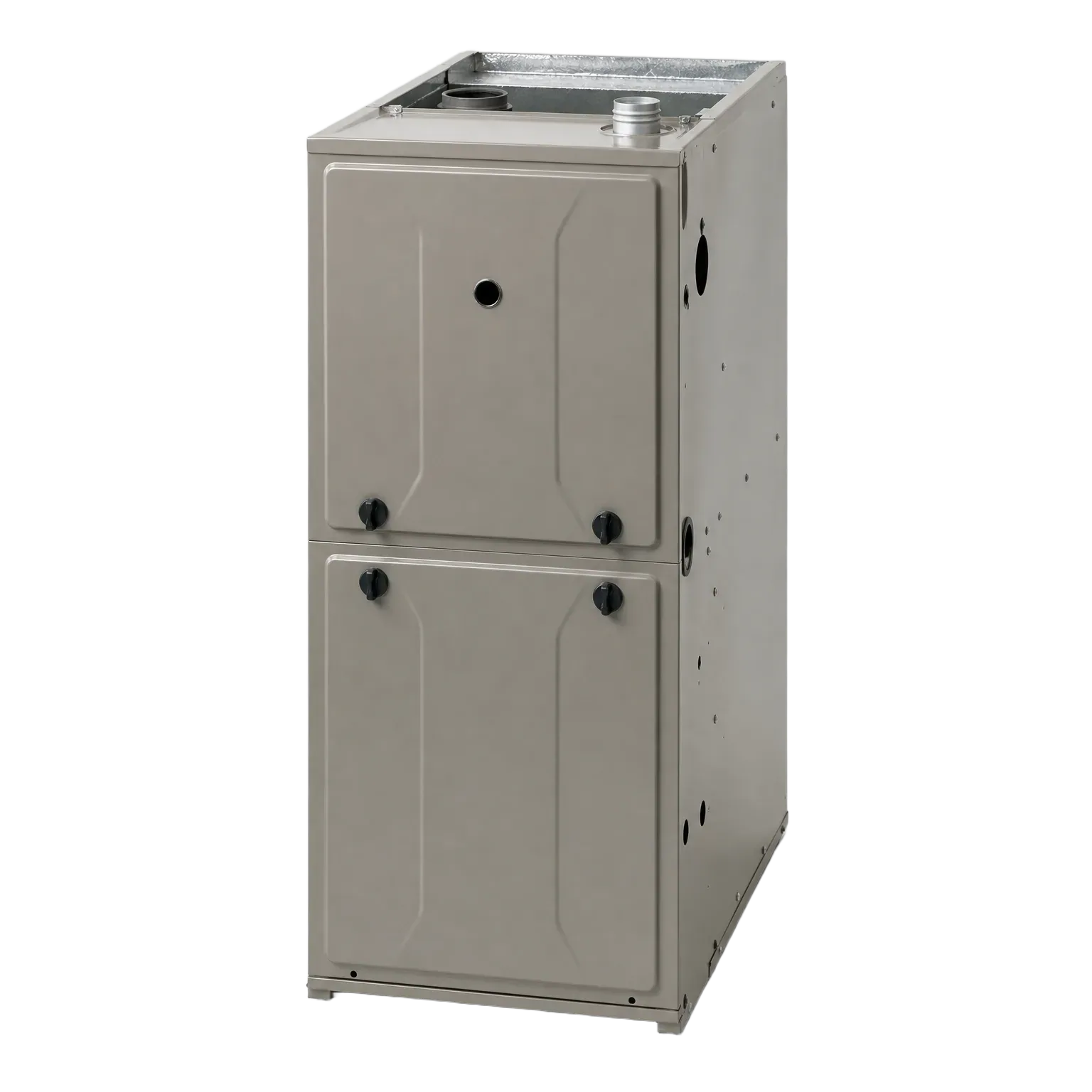
Short winters, light runtime
If your furnace barely runs and nobody in the house feels dry skin or static shocks, a humidifier probably sits unused most years.
 Match me with a pro
A local installer who puts in furnaces gets your project.
Most winters here don't ask much of your furnace. A lot of homes in South Carolina heat with electricity, and the air that comes through the vents is already dry before it ever hits your living room. Add a wood stove or a fireplace insert and that dryness gets worse. So the question isn't crazy. It's a fair thing to ask before you spend money on a system you don't actually need, or skip one you do.
The answer depends on what's going on in your house right now, not on what's typical for the area. If you're seeing static shocks at the light switch, cracked wood trim, or everyone waking up with a dry throat in January, that's worth looking at. If your house feels fine all winter, a humidifier won't change much, and nobody should talk you into one.
Summer is a different story here, and it cuts the other way. South Carolina stays muggy for months, and a furnace humidifier left running or set wrong during that stretch can push moisture into a house that already has plenty. That's part of why this isn't a simple yes or no. It has to account for both halves of the year, and for how your particular system and house behave in each one.
A local contractor who installs these day in and day out in South Carolina homes knows what tends to cause dry air complaints here versus what's just a vent problem or a thermostat setting. When you ask to be matched, you're connected with one licensed contractor near you, not a handful of companies competing for your callback. They'll look at your furnace, your ductwork, and how your house actually behaves before saying whether a humidifier makes sense for you.
Most South Carolina homes don't need a furnace humidifier to get through winter, but some do fine with one anyway. Winters here are short and mild, so the furnace doesn't run long enough most years to dry out a house the way it would somewhere with a real cold season. If you're noticing dry skin, static shocks, or cracking around wood trim in January and February, that's usually a sign the air indoors is drier than it should be, and a whole-house humidifier mounted on the furnace fixes that at the source instead of refilling a portable unit every few days. If none of that bothers you, you likely don't need one. It comes down to how your house feels during the handful of cold weeks you actually get, not a fixed rule every home here has to follow.


One installer gets your project, so there's no bidding war over it.
Sending the form costs nothing.
A furnace humidifier only does something when the furnace is moving air, so the question is really how many hours a day your system runs. In South Carolina that's not many, even in January. Short cycles heat the room and shut off before the air has a chance to dry out much. Compare that to a house up north where the furnace runs most of the day for months, pulling moisture out of everything as it goes. If your electric furnace kicks on for twenty minutes at a stretch a few times a day, there just isn't enough runtime for a humidifier to make a difference you'd notice.
A wood stove or fireplace insert changes the math, because it can run for hours at a steady burn and pull moisture out of the room the whole time it's lit. That's a different situation than central electric heat cycling on and off. If you've got one of those running regularly through the winter, dry air and static shocks are more likely to be coming from it than from the furnace itself. A contractor who installs humidifiers locally can tell you, from what's heating your house and how often, whether one would actually do something for you or just sit there unused.




If your furnace barely runs and nobody in the house feels dry skin or static shocks, a humidifier probably sits unused most years.
Burning wood pulls moisture out of the air on top of what the furnace already dries, which is when a humidifier starts to earn its keep.
36°F doesn't ask much of your furnace. It'll click on at night and cycle off well before sunrise most days, which is exactly why the air rarely gets dry enough in your house to need a humidifier.
NOAA nClimDiv 1991-2020 county normals weighted by homes
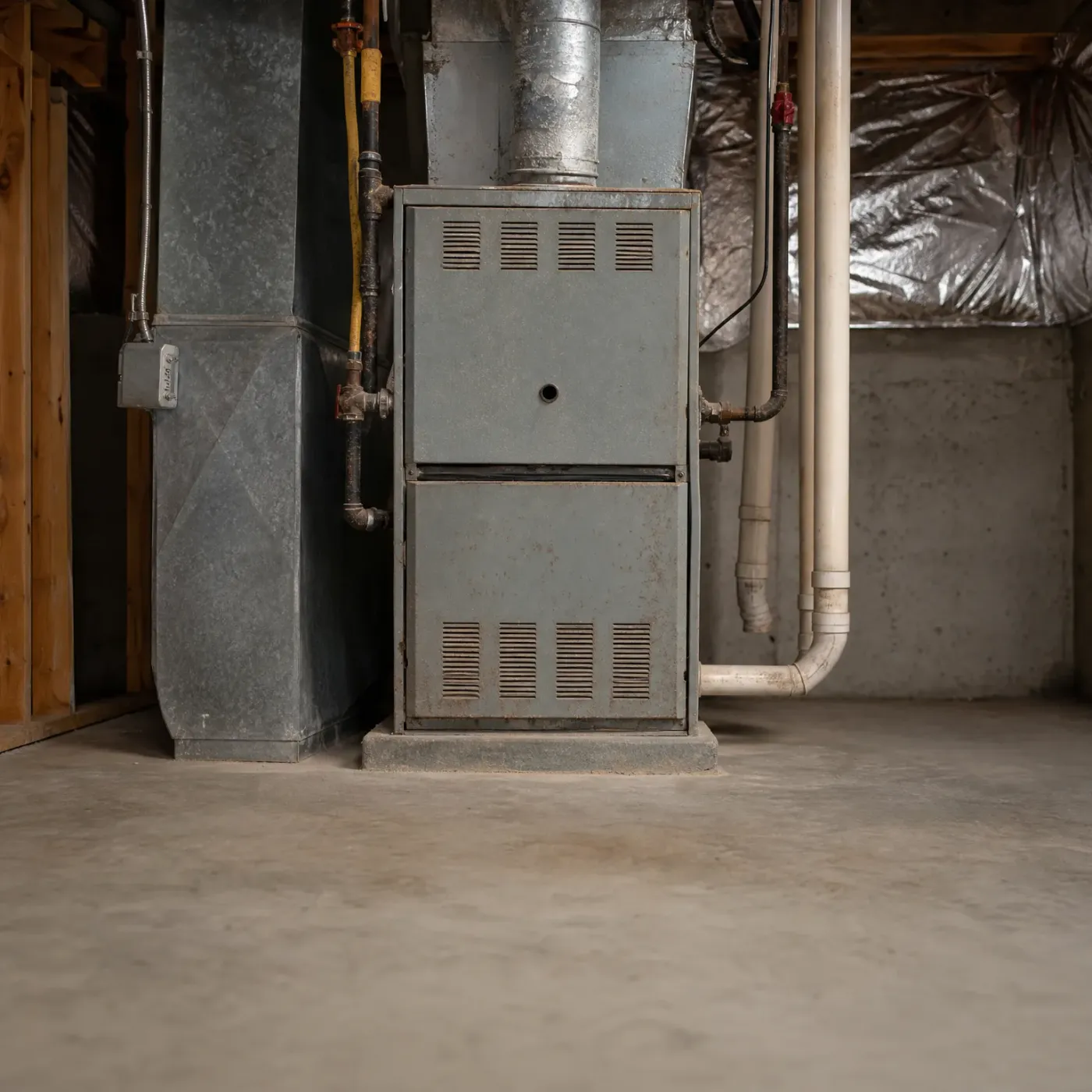
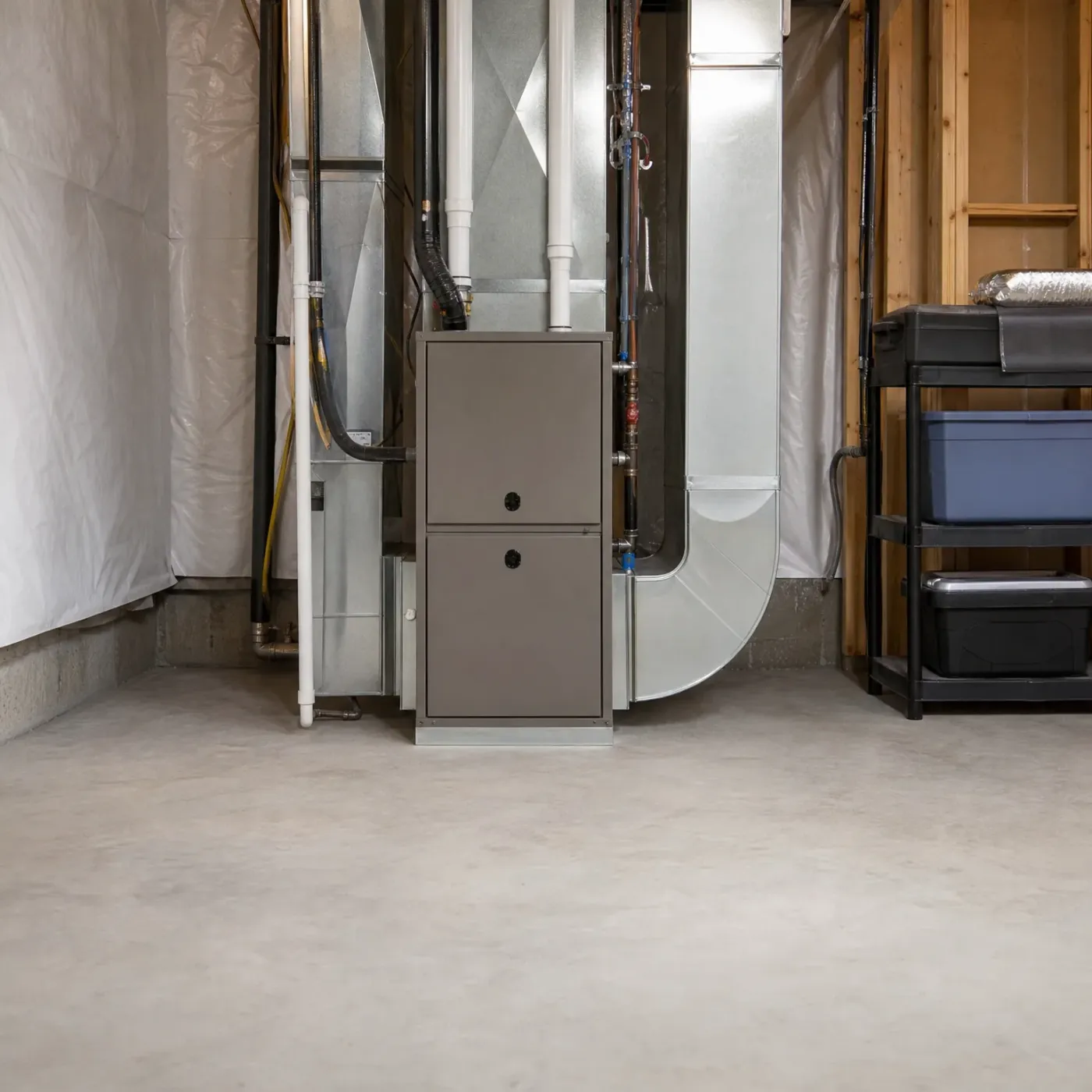
A contractor taps into the supply plenum off your furnace.
A water line runs from a nearby source to the unit.
The humidistat reads indoor moisture and signals the furnace.
Water saturates a pad or drum as air passes through.

If your furnace runs light and nobody in the house is dealing with dry skin, static, or cracking furniture, you likely don't need a humidifier this winter or any winter. The exceptions are real but narrow: a wood stove running hard, a furnace that's on for hours at a stretch, or a house where someone's already noticed the air feels too dry. Outside of that, it's one more thing to install, maintain, and refill water on, for a problem your climate mostly isn't handing you.
If you fall into one of those exceptions, the next step is getting someone local to look at your actual setup, your furnace, your ductwork, how your house holds moisture, rather than guessing from a general rule. A contractor who installs these in South Carolina knows how rarely they're warranted here and won't push one your house doesn't need. You'd be matched with one contractor who takes the time to look at your situation specifically, not a handful of companies working the phones for the job.

Only one pro gets your request, so you hear from one company.